



Saving Don Manuel Domínguez: How a Water-Damaged Portrait of a California Founding Figure Was Brought Back to Life

This case study of water-damaged oil painting restoration by Fine Art Conservation Laboratories shows how the early Southern California historic portrait of Don Manuel Domínguez was saved after severe water damage and previous inept restorations. See end of article for syndication notes.

water-damaged oil painting restoration

Celeste Calabrisi Executive Director Dominguez Adobe Museum

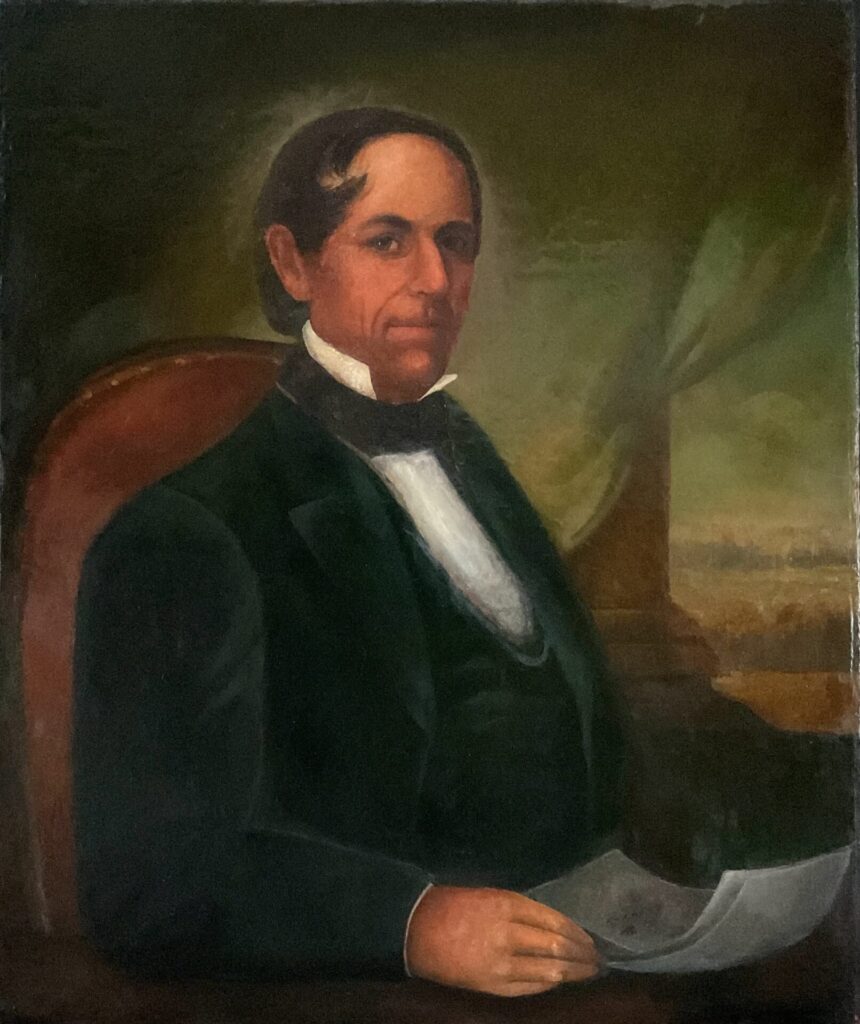
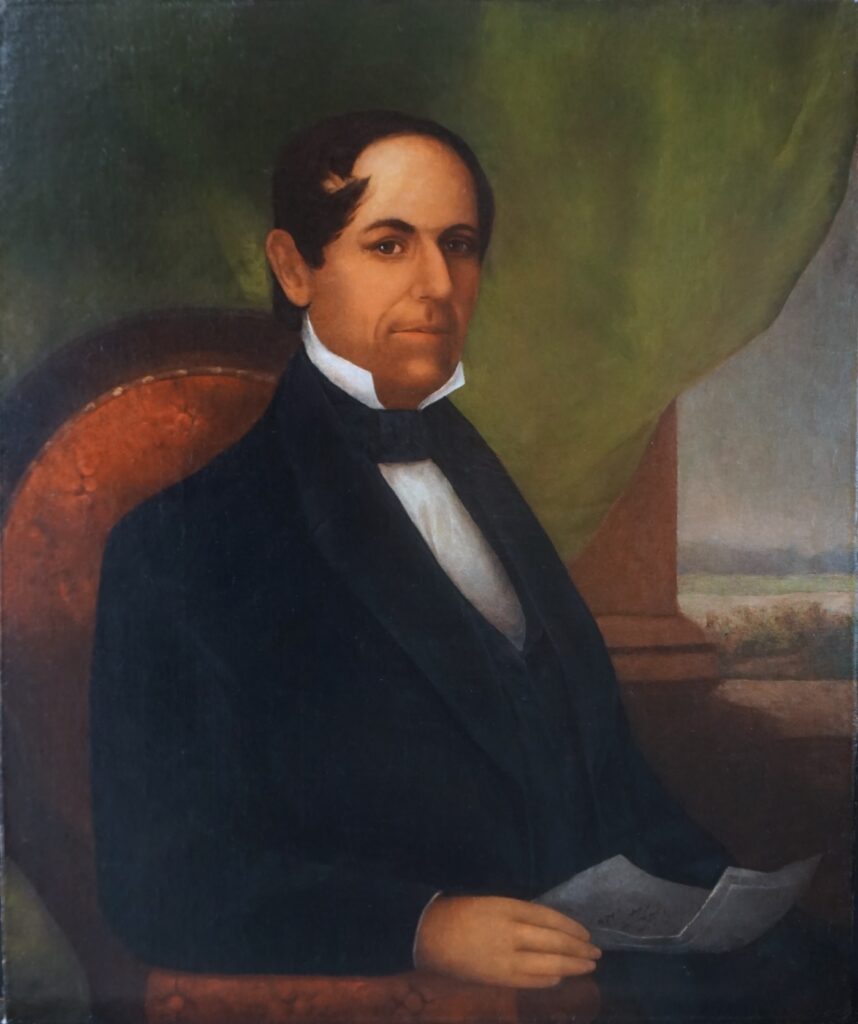
If you walk into the parlor of the Rancho San Pedro Dominguez Adobe in the Los Angeles area (Museum Dominguez Adobe) today, you’re greeted by the steady gaze of Don Manuel Domínguez. At the time this portrait was painted in 1864, Manuel Domínguez owned, defended and cultivated the 43,119-acre Rancho San Pedro, one of the earliest and largest land grants in what would become Los Angeles County. The black coat, white shirtfront, and composed expression all signal a man used to responsibility and public life. The painting looks calm, dignified—and solid. Yet the Manuel Dominguez portrait restoration discussed in this blog post has been a complex rescue project after serious water damage, scraping, and heavy overpainting.

What this article means for you personally – Of course, we have written this article hoping you are entertained, better informed and perhaps it sparks the historian inside of you. By the time Fine Art Conservation Laboratories (FACL) was introduced to this painting, it was not just damaged by water —  lifting paint was the result of previous poor quality restoration, and was threatened of being completely ruined/lost again, a second time. This is the story of how the survival of the portrait that was nearly destroyed (first by water, then by inept restoration techniques), was saved, and what this story can teach you if you ever face a water-damaged painting/heirloom of your own. So, this article will be of special interest to anyone with artwork that’s been damage by water (see the section with tips on “What You SHOULD Do If Your Painting Gets Wet” later on in this article)… or if you know someone who has a damaged painting, they will greatly appreciate your passing this along to them. Finding the right person or lab to correct these problems properly is difficult… but we’ll make it easy on you… (805) 564 3438

Check out this video…

The water-damaged 19th-century portrait of Don Manuel Domínguez for the Dominguez Rancho Adobe Museum is returned after the art conservation work. See surprise photo at end of video!

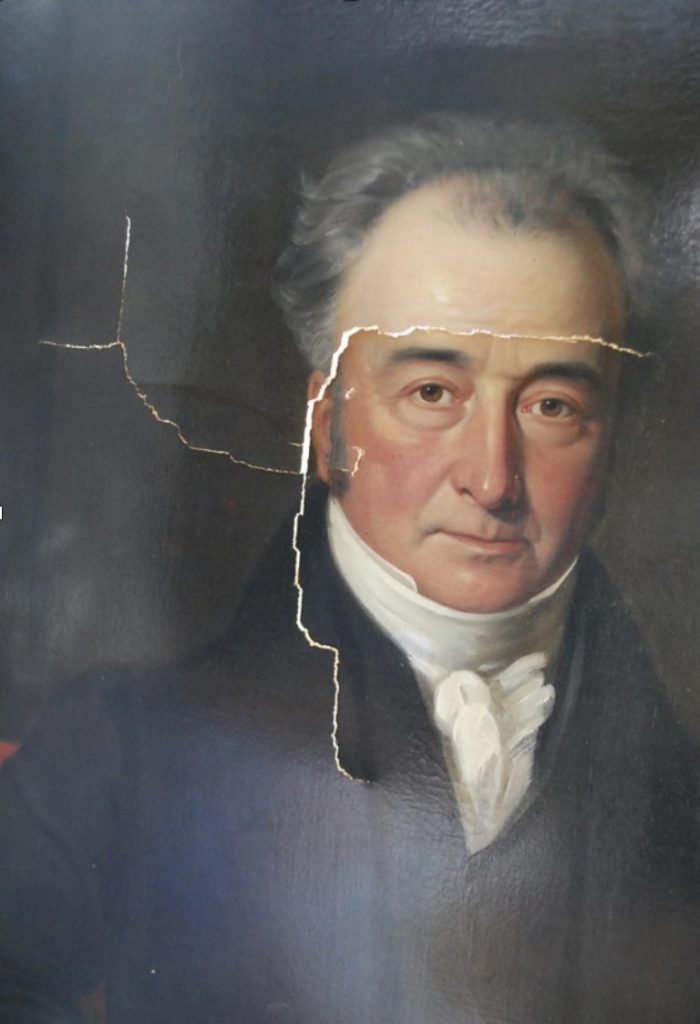
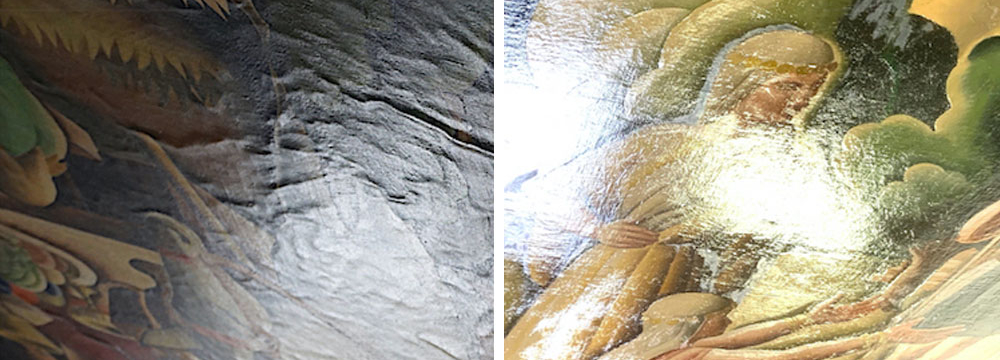
This mid-19th-century oil portrait of Manuel Domínguez, painted by Solomon Nunes Carvalho in 1864, has in its past been through almost everything you don’t want a historic painting to endure: serious water damage, a shrinking and buckling canvas, widespread “tent cleavage” where the paint literally lifted off the fabric, an attempt at restoration including crude scraping of loose paint, and repainting that buried the original image under layers of thick wax and guesswork.

Who Was Manuel Domínguez—and Why Does His Portrait Matter?

This is not just a random 19th-century gentleman in a dark coat. Manuel Domínguez (1803–1882) was one of the key figures in the transition from Spanish and Mexican California to the American state of California.

Born at the Presidio of San Diego, Manuel became heir to Rancho San Pedro, a vast land grant that once covered much of what is now Compton, Carson, the Harbor area, and parts of the South Bay. As a young man he helped turn the rancho into a thriving cattle operation and a political power center. Talented with good bilingual talents, he was a bridge between the two cultures, something that was very advantageous (as it is today).

Dominguez was:
• Twice Alcalde (mayor) of Los Angeles during the Mexican period
• One of the delegates who helped draft and sign California’s first state constitution in 1849
• A determined defender of the family land grant through decades of legal and political change. This was an important political “power” as he had seen the land grant he inherited reduced from about 72,000 acres (when it was created by the King of Spain) to about 43,000 acres by the time he inherited it.

In 1826 he began building the Dominguez Rancho Adobe on a low rise above the floodplain. That home—where his portrait now hangs—became the social and administrative center of Rancho San Pedro and a gathering place for powerful Californianos, visiting dignitaries, and travelers.

Today, the Dominguez family’s land and decisions still echo in place names and businesses across the region. Streets, schools, and even a state university bear the Dominguez name. When visitors stand in the Adobe’s parlor and meet Manuel’s eyes in this portrait, they’re looking at one of the major players who helped shape Southern California’s landscape and identity and whose family connections continue today, economically and politically.

Beyond his lifetime, Manuel Domínguez’s decisions helped shape the physical and civic map of Southern California. Portions of his original rancho later became the sites of modern cities such as the city of Carson, parts of the city of Compton and the San Pedro Harbor area. His family’s land holdings supported companies and institutions that continue to influence the region. His name lives on in places like California State University, Dominguez Hills and Manuel Dominguez High School, reminders that this portrait does not just show an individual—it represents a family name whose choices still echo across Los Angeles today. In addition, one of Manuel and Maria’s daughters married into the family that became the Watson Land Company.

The Artist: Solomon Nunes Carvalho

The painting adds another layer of significance because of who painted it. Solomon Nunes Carvalho was a Sephardic Jewish artist and photographer from the East Coast, known for serving as photographer on John C. Frémont’s fifth expedition across the American West.

After barely surviving that journey, Carvalho reached Los Angeles in the mid-1850s and stayed with the Domínguez family at Rancho San Pedro. During that visit he painted portraits of Manuel, his wife María Engracia de Cota Domínguez, and other leading Californians. The Domínguez portrait is one of the rare visual records of that meeting between Old California ranchero society and a pioneering Jewish American artist. Sig. Dominguez was 61 years old when the portrait was painted in 1864 (apparently the artist was sensitive to the Don’s “suggestions” that he be painted looking younger).

So when we talk about “saving a painting,” we are really talking about protecting a crossroads of cultures and histories in one fragile historical and fine art object.

What Went Wrong: Water, Tent Cleavage, and Scraping

At some point in its later life, the portrait was exposed to water. Whether from a leak, a flood, or firefighting efforts, the result was the same: The canvas fibers swelled and then shrank, causing the brittle painting layers to crack, lift, and curl away from the surface.
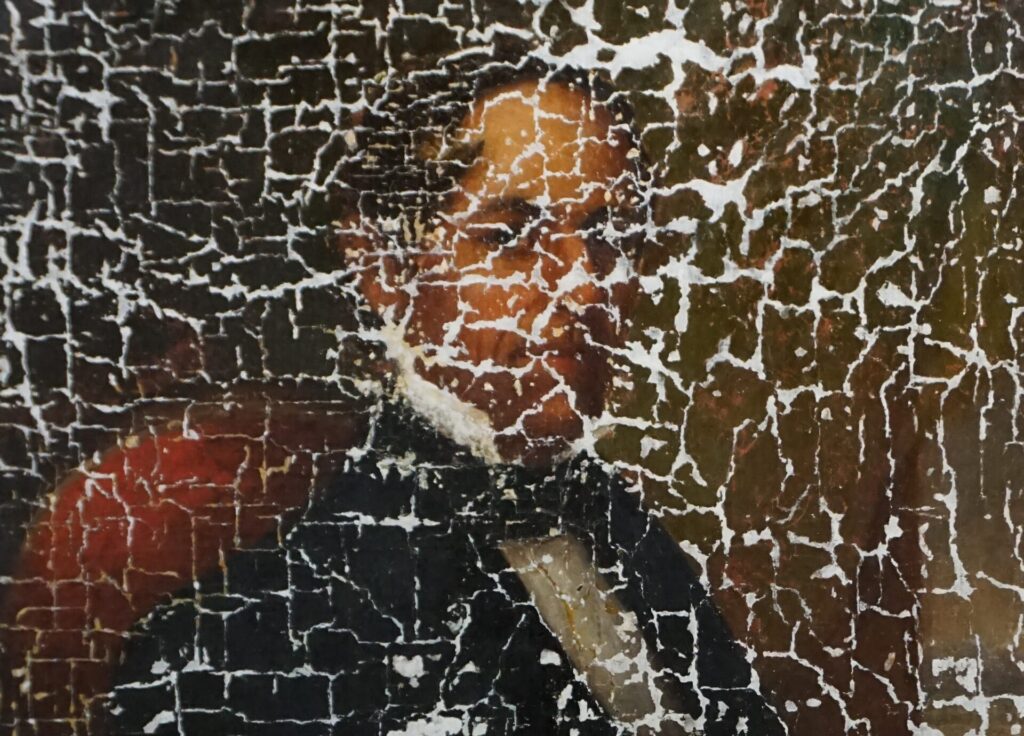
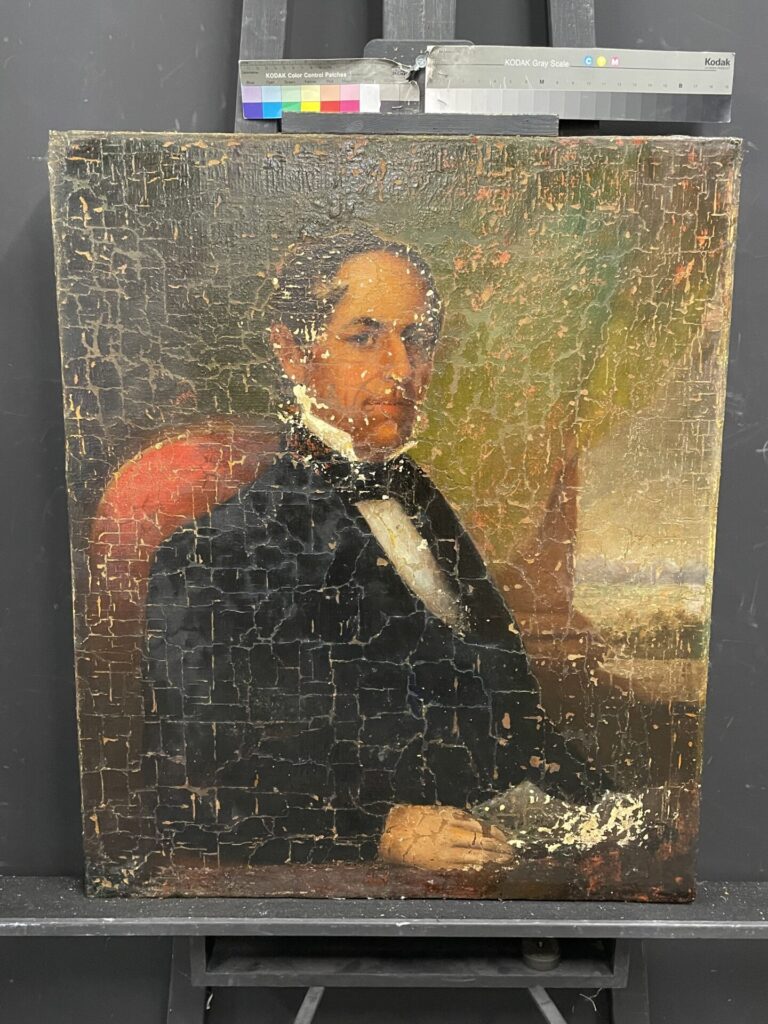
Water-damaged Manuel Dominguez portrait before restoration by Fine Art Conservation Laboratories.

Before conservation: the portrait of Don Manuel Domínguez showed severe water damage, tent cleavage, wax build-up, and crude overpainting.

Conservators call this most alarming condition “tent cleavage”—ridges of paint lifting up along cracks, like thousands of miniature tents pitched across the surface. The paint is still clinging in places, but only just. One touch or vibration can make those islands snap off, turning temporary risk into permanent loss.
Instead of stabilizing the lifting paint, someone with neither the training nor the tools of a professional conservator took a scraper to the surface of the artwork as if they were cleaning off the old paint from the side of a building. The fragile paint was shaved away. Original detail disappeared. Large areas were then filled with wax, repainted, not once but several times, by different hands because of continuing problems trying to “fix” what had been damaged. The instability of the wax caused massive bubbling of the original paint it was meant to consolidate and the repainting.

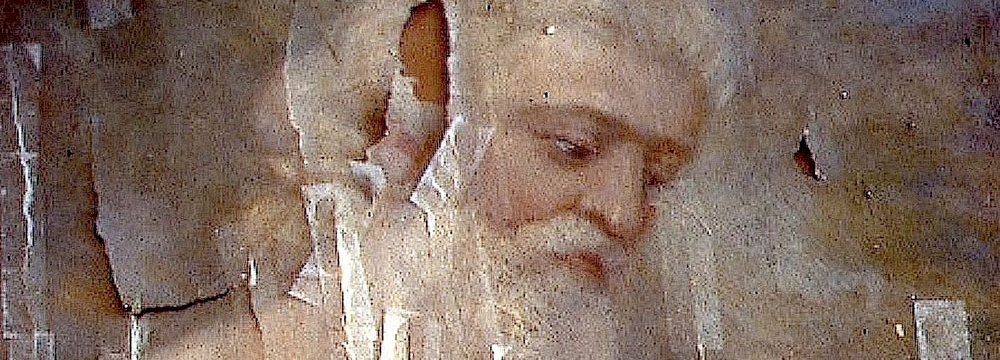
During treatment: as wax and overpaint are reduced, Solomon Carvalho’s original brushwork and Manuel Domínguez’s true features begin to reappear.

By the time the portrait arrived at Fine Art Conservation Laboratories, Solomon Carvalho’s careful painting was buried under tinted putty, a massive amount of wax, and modern paint. Only a minimal amount of the original painting could be seen.

What Water Does to Paintings (and Why Speed Matters)

The Domínguez portrait is dramatic, but the basic pattern is common in our lab:

  1. Supports move. Canvases swell and shrink. Wood panels warp and cup.

  2. Paint films can’t keep up. They crack, lift, and flake.

  3. Moisture leaves stains and tide lines. Dirty water dries into brown streaks and blotches.

  4. Mold joins the party. In a warm, damp environment, mold can start within a couple of days.

The painting may look “dry” after a week, but inside the structure it can be unstable and actively shedding original material.

If a painting or family portrait gets wet, the first hours and days matter. The right steps can save it. The wrong steps—or well-intentioned scrubbing and scraping—can cause far more damage than the water itself.

For a more detailed step-by-step guide on how to handle water-damaged artwork and heirlooms in the Los Angeles area, see our article:
https://www.fineartconservationlab.com/water-damage/save-water-damaged-artwork-heirlooms-expert-tips-for-los-angeles-ca/

What You SHOULD Do If Your Painting Gets Wet

If you ever find yourself staring at a wet or warped painting, here are the basic emergency steps our conservators at FACL recommend:

  • Keep the painting flat or upright and handle it as little as possible.

    • Gently blot standing water, if flaking will permit, with clean, lint-free cloths—no rubbing.

    • Move it to a cool, dry, well-ventilated space, away from heaters, fireplaces, or direct sun.

    • Take clear photos of the damage for insurance and records.

    • Call a professional art conservator quickly for specific instructions.

And just as important, what not to do:

  • Don’t wipe, scrub, or “wash” the surface.

    • Don’t use hair dryers, heaters, or fans blowing directly on the painting.

    • Don’t press down flaking paint or try to scrape off bubbles, stains, or mold.

    • Don’t re-stretch or try to flatten a distorted canvas on your own.

The portrait of Manuel Domínguez shows exactly what can happen when someone ignores those last points. More original paint was lost to scraping and amateur repainting than to the initial water damage.

How Professional Conservation Saved the Manuel Dominguez Portrait

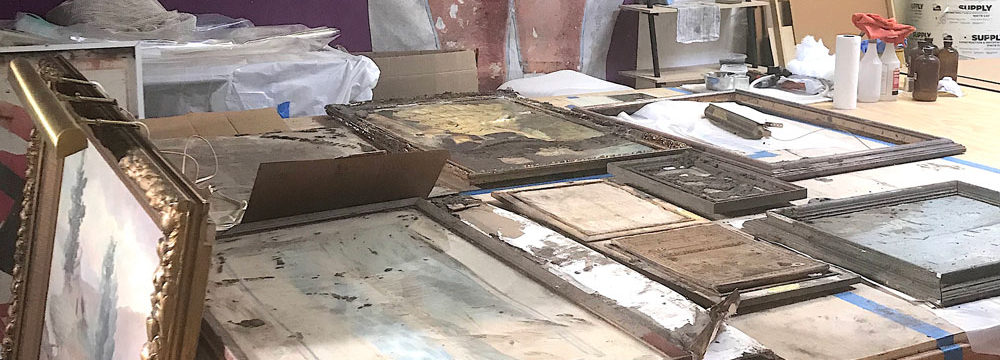
When the Domínguez Rancho Adobe Museum sent the portrait to Fine Art Conservation Laboratories (https://www.fineartconservationlab.com) for professional portrait restoration, the request was clear: save as much original material as possible, make the painting stable for long-term display, and recover Manuel’s likeness so visitors could once again connect with the original portrait of the man behind the history.

The treatment unfolded in four broad stages.

1. Examination and Research

Before anyone picked up a tool, the painting was examined under magnification and raking light to map every crack, loss, and area of overpaint. Ultraviolet light helped distinguish original 19th-century paint from later restorations. The back of the canvas and stretcher were studied for earlier repairs.

Other historic images and other Carvalho portraits were consulted to understand how Manuel would have originally looked—his features, clothing, and the way the artist handled light and shadow. This research guided later decisions about how far inpainting should go and where we needed to respect gaps in the surviving evidence.

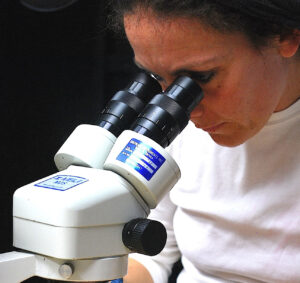
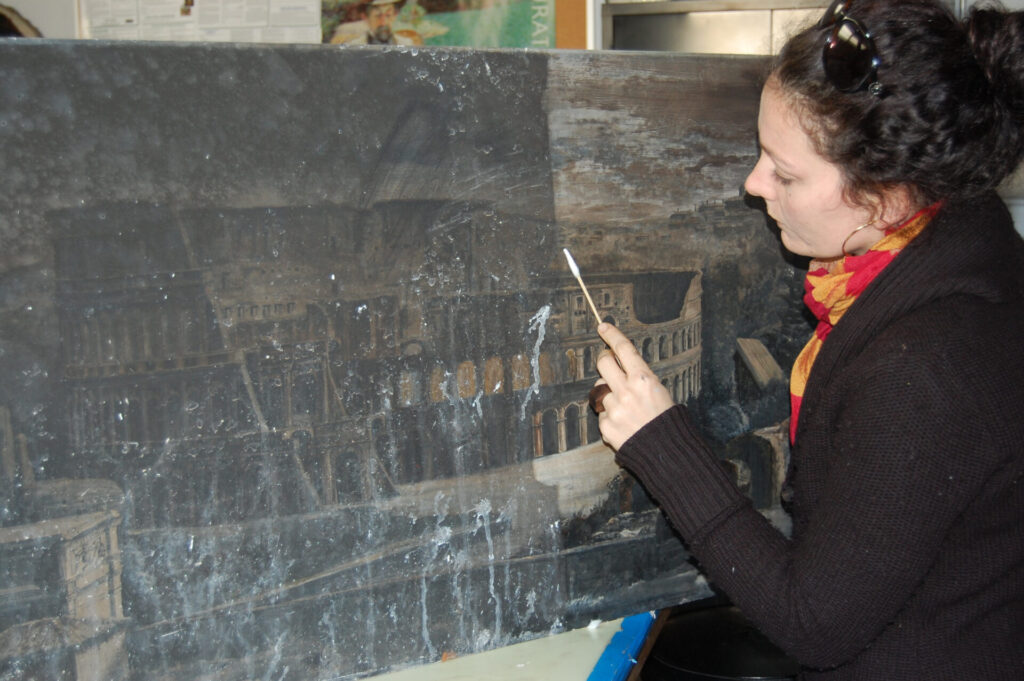
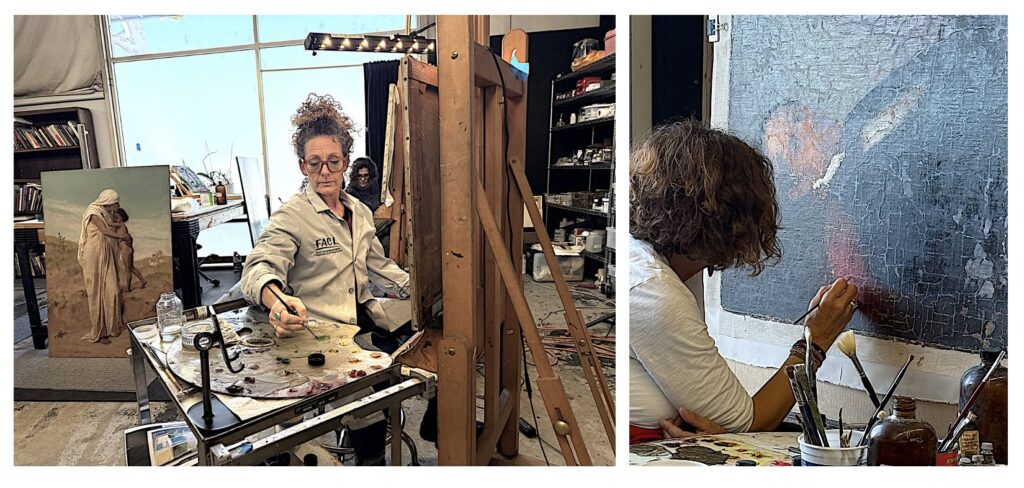
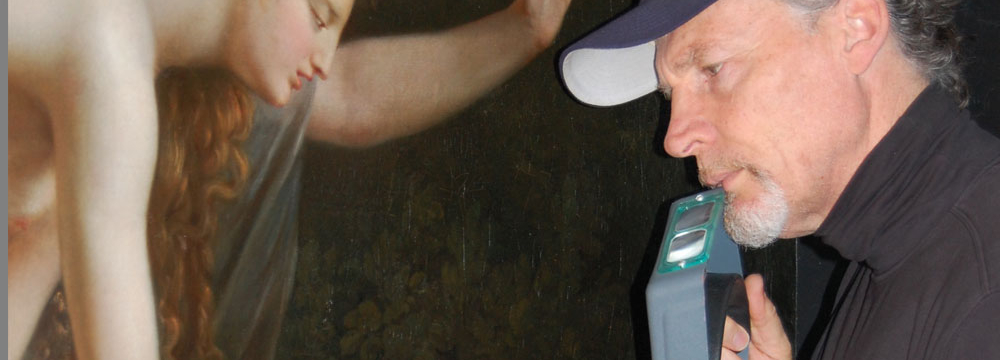
Conservator working under magnification on the face of Manuel Domínguez’s portrait during restoration.

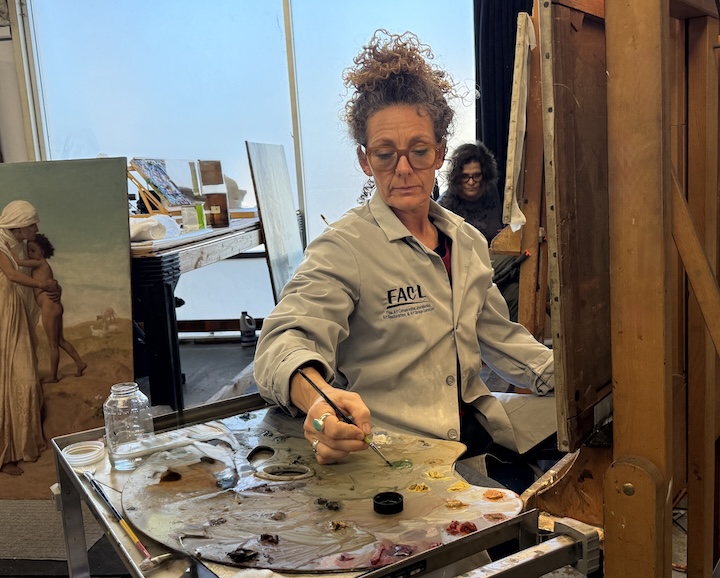
Under magnification, conservators test solvents and adhesives to safely stabilize flaking paint and reduce later overpaint.

2. Structural Stabilization

Because of the earlier water damage and tent cleavage, stabilizing the structure of the painting came first.

  • Lifting paint was gently re-adhered using conservation-grade adhesives introduced under the flakes with tiny brushes and syringes, then set down with controlled pressure.

    • Distortions in the canvas were relaxed with carefully controlled humidity and pressure so the picture plane could return to a more even surface.

    • Where the original canvas had been badly weakened, a new support was added to share the stress and give the painting strength for years to come.

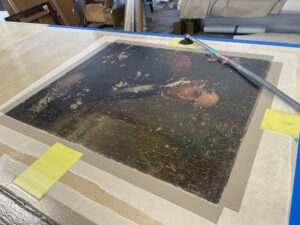
Manuel Domínguez’s portrait showing new support added during conservation.

The weakened original canvas was reinforced with a new support to give the portrait long-term structural stability.

Only when the paint layers and canvas were secure could anyone safely think about appearance.

3. Removing Crude Overpaint

The repainted areas that masked Carvalho’s work had to be removed carefully and in layers in order to remove the applications of wax from previous restorers without damaging the original paint.. This is patient work done under magnification:

  • Tiny solvent tests were run to find mixtures that would soften modern overpaint while leaving the original intact.

    • In some passages, overpaint was carefully shaved back with scalpels.

    • The goal was not to strip the painting raw, but to uncover and respect the surviving original while removing the most disfiguring modern additions.

After all the repainting and thick wax fillers and layers were removed.

Finally, after careful removal/cleaning, all the suits of the past are revealed… and the original date was discovered!

As the overpaint was reduced, Carvalho’s hand began to reappear—subtle modeling in the face, convincing volumes in the coat, a believable play of light rather than flat guesswork. What was most exciting, however, was the discovery of the original date, 1864, which was different than what the museum had on record but was confirmed by an entry in the artist’s journal which the museum has in its possession.

4. Visual Reintegration and Finishing

Once the original image was uncovered and the structure stabilized, conservators turned to visual reintegration (inpainting or careful and controlled retouching):

  • Losses where paint and ground were completely gone were filled with conservation putties and textured to match the surrounding surface.

    • Using stable, reversible conservation colors, missing areas were carefully inpainted—only where there was enough information to do so honestly.

  • Careful inpainting requires color matching, not repainting... this is n to a "creative-artistic" process!!

    Careful inpainting requires color matching, not repainting… this is n to a “creative-artistic” process!!

Ethically, modern inpainting is always distinguishable under close inspection or ultraviolet light, and it can be removed in the future without harming the original. The aim is not to fake a brand-new painting, but to present a coherent, readable image that respects both history and damage.

Finally, a protective varnish was applied to even out the gloss and deepen the colors, giving the surface a unified appearance and providing a sacrificial layer against future airborne grime.

The Result: A Face, a Story, and a Second Chance

After conservation, the original portrait of Don Manuel Domínguez once again hangs in the parlor of the Dominguez Rancho Adobe Museum, where visitors can connect with his story and California’s early history.

Don Manuel Dominguez’s Portrait – After Conservation. Back to being his original handsome self

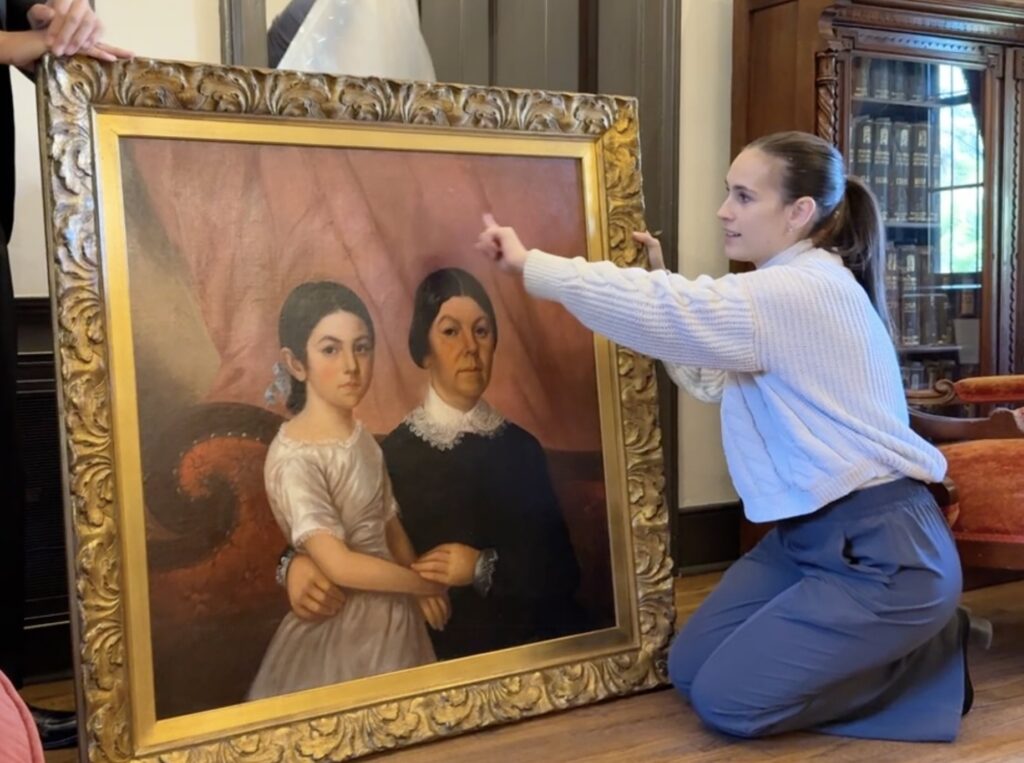
Today, visitors to the Dominguez Rancho Adobe Museum (https://dominguezrancho.org) see a dignified original portrait of Manuel Domínguez looking back at them—a founder, landholder, public servant, defender of the faith and head of a far-reaching family whose decisions still shape Southern California. Their daughter María Dolores Simona Domínguez (in the portrait painting with her mother in the same parlor room as Don Dominguez’s portrait) married James A. Watson in 1855; their descendants went on to form Watson Land Company, a major real estate and industrial landholding family still today in the Los Angeles area.

Under close examination, its hard to see where history left its marks and where modern conservation has filled the gaps. The painting once again, now, does its job: it puts a real authentic human face to a larger story of land, law, culture, and change.

For the museum, the successful conservation of this portrait means they can interpret Manuel’s life with an authentic object, not a modern imitation. For us at FACL, it’s a confirmation that even severely damaged paintings—scraped, repainted, and written off by some—can be saved if they reach a professional lab in time.

What This Means for Your Own Paintings and Heirlooms: This kind of water-damaged oil painting restoration requires careful testing, controlled cleaning, and ethical conservation methods to protect the original portrait.

Most people don’t live in historic adobes or active museums, but they do have portraits, landscapes, and family heirlooms that represent their own history. A wedding portrait, a painting inherited from grandparents, a favorite landscape in a vacation home—any of these can be hit by leaks, broken pipes, storms, or firefighting water.

The lesson from Don Manuel’s portrait is simple:

  • Water damage is not automatically the end.

    • Amateur “restoration” can be more destructive than the original disaster—and can add significantly to the cost of proper conservation work and long-term preservation.

    • The sooner the right professional conservator is involved, the better the chances of saving both the artwork and the story it carries.

If you’re ever unsure what to do, stop, protect the piece from further harm, and call someone who does quality, professional work every day. If you know someone in this predicament, refer them to this quality help to get answers to their questions and to ally their fears: (FACL, 805 564 3438)

Discuss Your Questions With Fine Art Conservation Laboratories (FACL)

Fine Art Conservation Laboratories has been conserving paintings, murals, and historic artifacts for more than four decades—working with museums, historic sites, churches, public art programs, insurers, and families who simply don’t want to lose what matters to them.

If you’re dealing with a water-damaged painting, an old portrait that’s flaking, or artwork that has already been “helped” by an untrained restorer, we’re happy to talk it through with you.

Southern California, Utah, and general inquiries: 805-564-3438

• Las Vegas / regional disaster response: 805-748-0145

• Website:https://www.fineartconservationlab.com

A short phone call, some clear photos, and timely professional help can mean the difference between a total loss and a rescued heirloom—just as it did for the Manuel Dominguez portrait restoration at the Rancho San Pedro Dominguez Adobe in the Los Angeles area (Museum Dominguez Adobe).

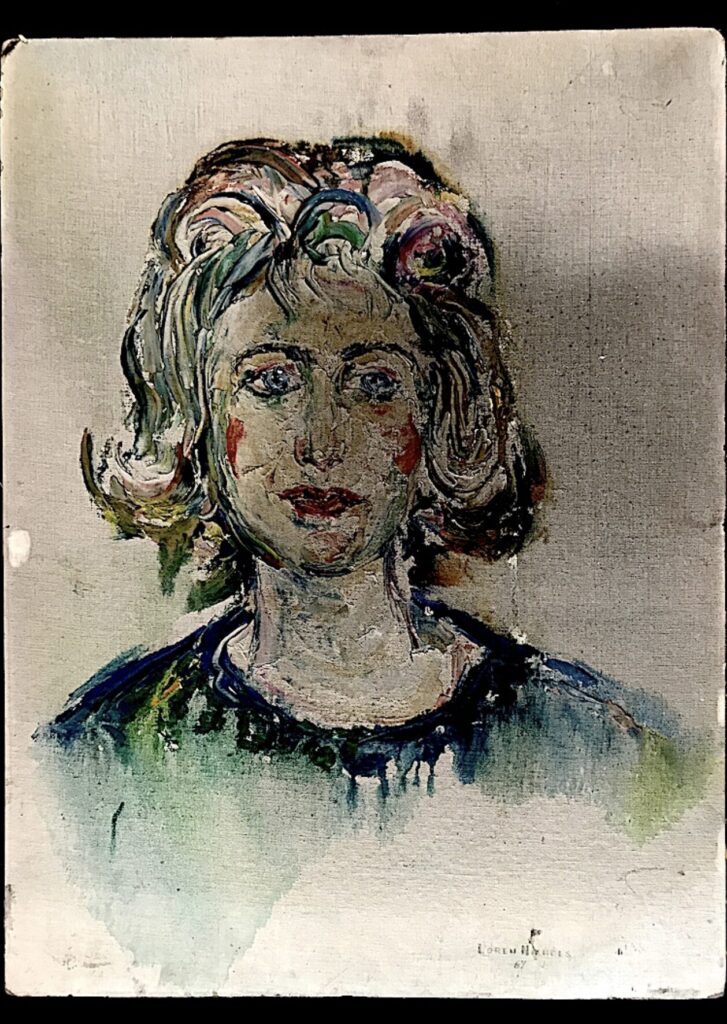
Wide and Daughter's portrait boy Solomon Nunes Carvalho

Portrait of Mother (Engracia Dominguez) and Daughter (Reyes Dominguez)


Stay tuned, coming quickly, the restoration of Solomon Nunes Carvalho’s portrait of Manuel Dominguez’s wife and daughter… and their interesting story.

Other educational, entertaining videos about water-damaged paintings

https://www.fineartconservationlab.com/in-lab/restore-heirloom-paintings-treasured-but-worth-it/

https://www.fineartconservationlab.com/disaster-emergency-response/water-damaged-oil-painting-restoration/

https://www.fineartconservationlab.com/disaster-emergency-response/water-damaged-

How to save water-damaged artwork and heirlooms FACL blog post: https://www.fineartconservationlab.com/water-damage/save-water-damaged-artwork-heirlooms-expert-tips-for-los-angeles-ca/

Dominguez Museum: www.dominguezrancho.org

Facebook and Instagram: @dominguezrancho

Donation page for the Museum (specifically for 

conservation)

https://dominguezrancho.org/donate-dominguez-rancho/

Celeste Calabrisi-Hernandez

Executive Director

Dominguez Rancho Adobe Museum

18127 South Alameda Street

Rancho Dominguez, CA 90220

(310) 603 0088 Phone

(310) 603 0009 Fax

celeste.calabrisi@dominguezrancho.org

Syndication

Article Syndication Graphic.jpg

“Your blog post has been syndicated at ExpertClick.com”

Its a bit of a coup to get an article syndicated, and its certainly prestigious, as additional “proof” that the info and the author are considered far and wide authoritative and an expert in the field. This article was syndicated for USA national redistribution. So, enjoy and trust our content!!

This article has been syndicated at Expert Click

When something is published, usually by a news source, and is made available through different venues for redistribution then it is said to be syndicated. Publications that are syndicated are usually considered of value as being from an expert, educational, new worthy or valuable for wide popular interest. See syndication page at the renowned publicity site:ExpertClick.com

This website’s syndication included:

1) Included in the ExpertClick Press Room as a ‘press release.’ (different than a ‘news release’)

2) Included in the ‘Speaker Bureau Platform Page.’

3) Shown on the front page of ExpertClick, in rotation with other most recent posts.

4) Shown in the ‘News Release Results page.’

5) Included on optimized for searches on all my topics of expertise.

6) Shown via RSS linked from the Press Room. (A specific way news is actively distributed within the industry)

7) Shown in the full RSS feed from ExpertClick. (Another, different specific way news is actively distributed within the industry)

8) Syndicated to LexisNexis.com As of 2006, the company had the world’s largest electronic database for legal and public-records related information, distributor of academic content and expert opinion.

Posted in art restoration of family portraits, Disaster/Emergency Response, Historic Buildings - Construction Sites, Interesting Stories, Painting on canvas, Saving Public Art, Water Damage | Tagged , , | Leave a comment

Save Water-Damaged Artwork & Heirlooms: Expert Tips for Los Angeles Area

How to Save Water-Damaged Artwork and Heirlooms

When water-damaged artwork or treasured family heirlooms get soaked, stained, warped, or moldy, Los Angeles area homeowners often search for reliable help to save water-damaged artwork and heirlooms. Either right away after the damage — or even later after items have dried — it’s important to get expert help quickly.

INTRODUCTION — WHEN WATER DAMAGE THREATENS FAMILY HISTORY

When water-damaged artwork or treasured family heirlooms get soaked, stained, warped, or moldy, Los Angeles area homeowners often search for reliable help to save damaged artwork, restore heirlooms, and protect their family history. Either right away, after the damage or later… its important to get help even if items have dried out for awhile.

But remember, saving water-damaged artwork quickly prevents mold growth, staining, and distortion that can worsen within hours.

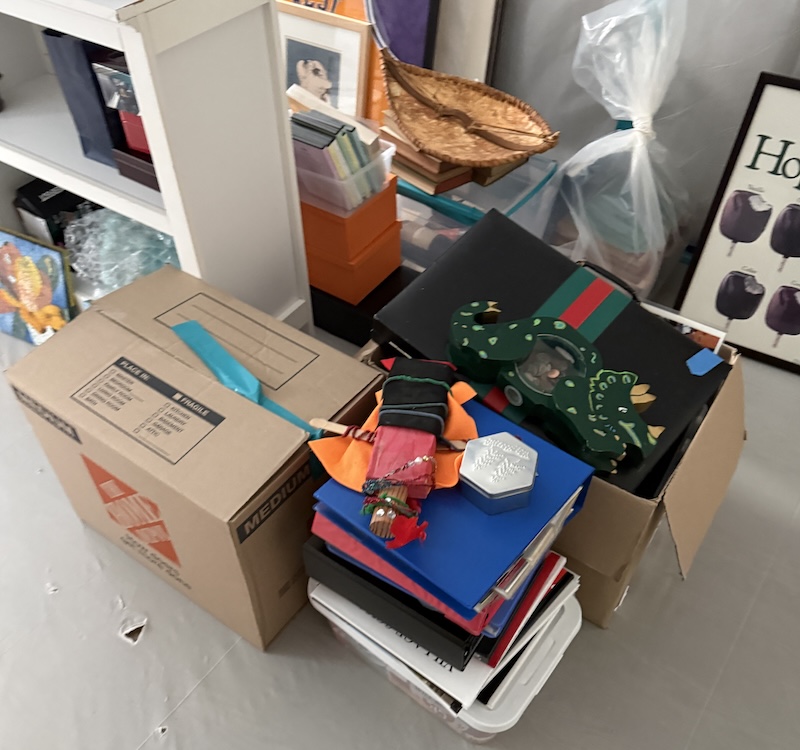
When water damage strikes – after people, pets, and the structure are safe – the real heartbreak begins when families discover that treasured collectibles or keepsakes have been damaged. You don’t need a major natural disaster to hit your neighborhood… sometimes this happens in surprising ways — even as simply as leaving a box of family memorabilia on the driveway during a move in, that gets hit after by the sprinkler… or maybe an unexpected downpour.

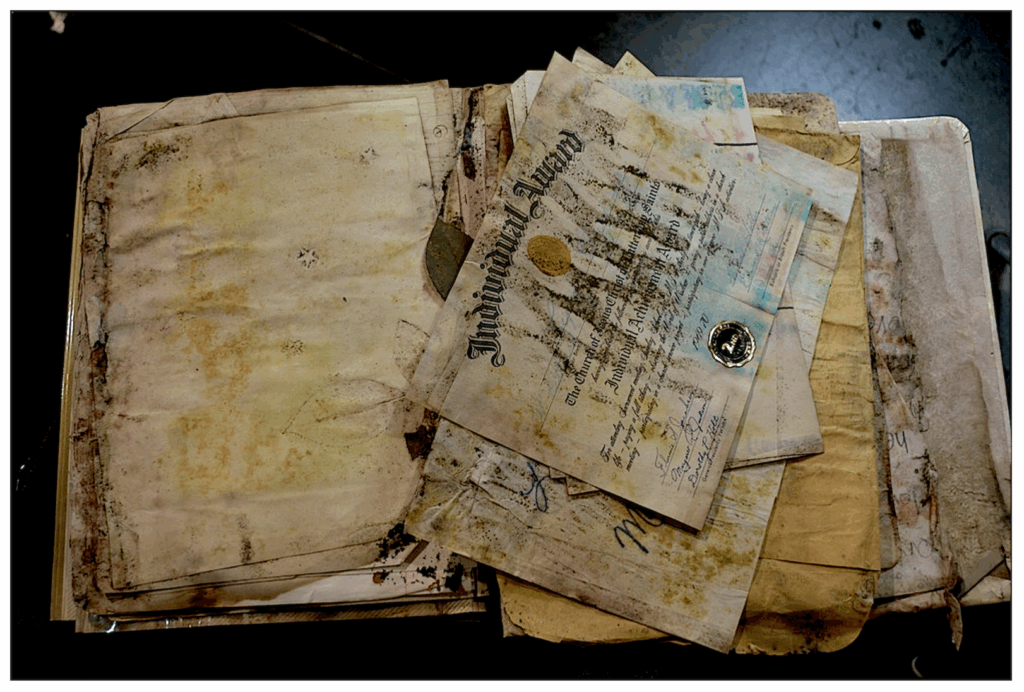
water damaged artwork restoration
Caption: Left on the driveway during a move and then hit later with the sprinkler.

These objects hold memories. They represent the people, places, and stories that define a family. Fine Art Conservation Laboratories helps to bring hope, relief, clarity of colors, and professional guidance for insurance issues — while preserving the artwork and the emotional history it carries.

How to Save Water-Damaged Artwork and Heirlooms
Water damage affects artwork differently depending on:
• Whether it was framed or unframed
• Whether it was in storage or on display
• What materials it was made of (canvas, paper, panel, mixed media)
• How long it stayed wet
• The type of water exposure (clean water, dirty water, sprinkler, flood, leak)
• Environmental conditions during and after the incident

If you’d like to talk to someone knowledgeable and expert, contact us to discuss your questions on saving and preserving any water damaged art or historically related items.

Email: FACLOfficeManager@gmail.com
 Phone: 805 564 3438
Also see: SaveYourStuff.com

TO DO TIPS — EMERGENCY CHECKLIST to Save Water Damaged Artwork & Family History Items – Here are the first steps to take when artwork or heirlooms get wet.

DO:
• Move artwork out of wet areas (if safe). Be hyper careful — wet items may fall apart!
• Keep artwork flat — never hung while wet.
• Increase airflow (fans in the room, not pointed directly at the art).
• Separate artworks so moisture cannot transfer.
• Call a professional conservator promptly.

DO NOT:
• Do not use a hair dryer, heater, or direct sunlight.
• Do not attempt to wipe or clean the artwork (attempts rarely improve a mark and often cause further damage).
• Do not soak, rinse, or use chemicals.
• Do not remove artwork from a frame if it resists.
• Do not press down warped or buckled areas.

  • Attempting do it yourself fixes on wet or damaged items — even gentle ones — can cause irreversible damage.

Save water damaged artwork and heirlooms – Fine Art Conservation Laboratories

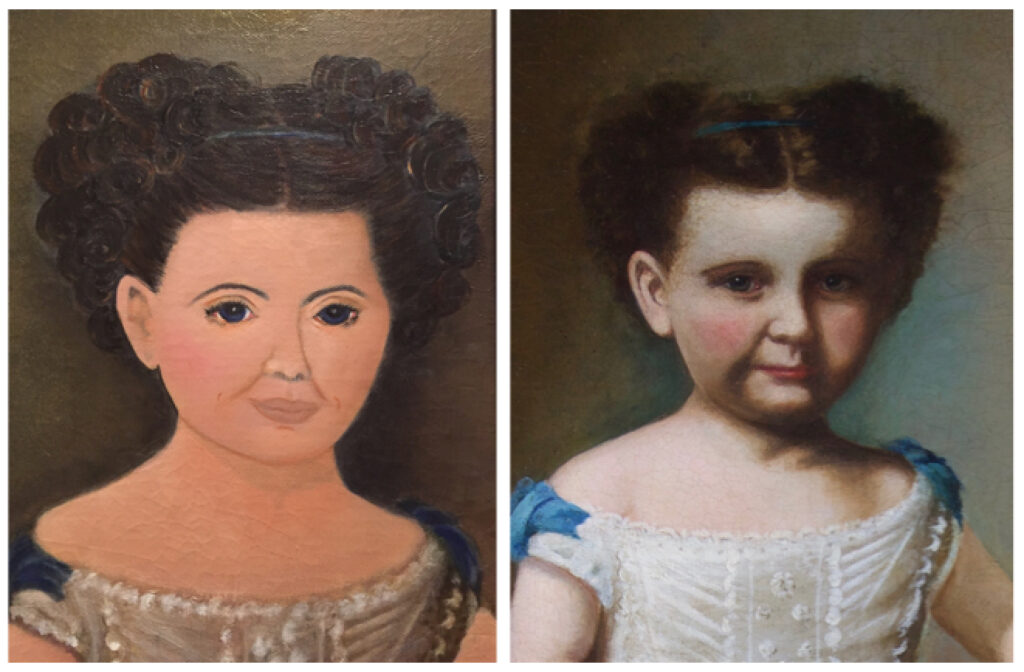
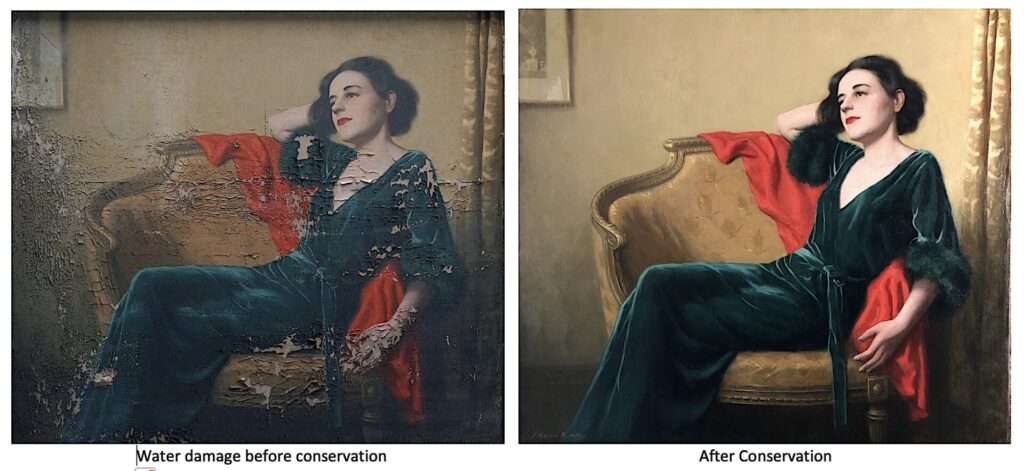
Water Damage on an oil painting portrait before art preservation and restoration treatments and after treatments

HOW FACL SAVES WATER-DAMAGED ART
Our professional art conservation assistance is frequently requested by people looking for mold on painting treatment, flood damaged art repair, and professional art restoration after leaks. Our conservation treatments respect both the artwork and its emotional significance.
— Examination & Documentation
We evaluate all damage using magnification, UV, raking light, and scientific testing.
— Stabilization
We prevent additional paint loss, mold spread, distortion, or contamination.
— Controlled Drying
Using specialized techniques, we gently and evenly dry artworks to minimize warping. Sometimes we force dry specific items to prevent distortions or mold growth.
— Cleaning
We remove water marks, contaminants, tide lines, and residues using tailored cleaning systems.
— Structural Repairs
Includes addressing canvas distortions, panel warping, compromised stretchers, weakened supports, and failing adhesives.
— Inpainting (Only Where Needed)
Missing or damaged paint is carefully matched and restored — never overpainted.
— Protective Conservation
Conservation quality varnishes restore clarity of colors, depth of field in the composition, and long term protection.
Every step follows international conservation ethics and reversibility standards.

Los Angeles area clients often call us when water-damaged artwork begins to warp or show signs of mold.

VIDEO TESTIMONIAL — A FAMILY HEIRLOOM SAVED

INSURANCE, CLAIMS & DISASTER RESPONSE
We frequently work with:
• Insurance adjusters from insurance companies and independent adjusters
• individual owners
• Restoration contractors
• Emergency services teams
We can:
• Document damage for insurance claims (we come to your location)
• Provide professional condition reports with options and estimates
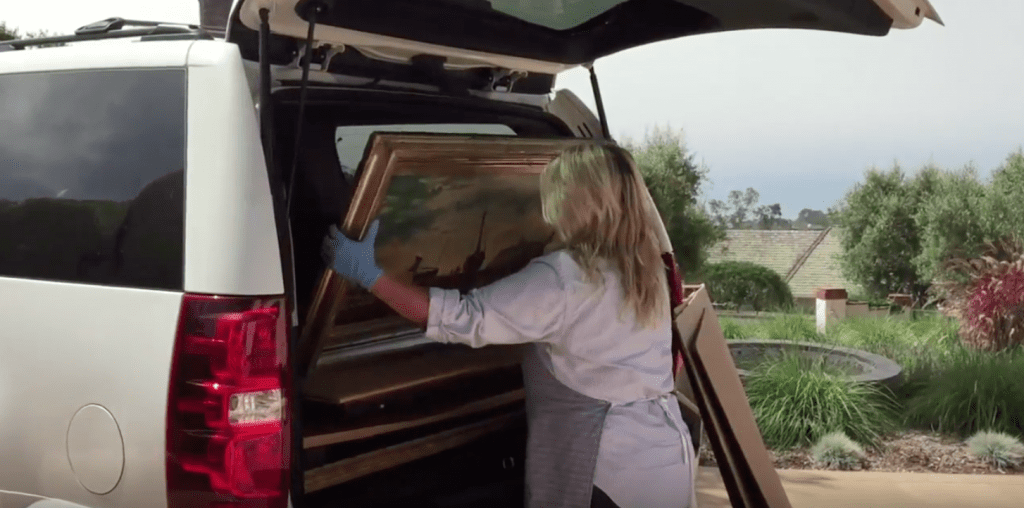
• Pick up and deliver items when needed
• Undertake conservation treatments and stabilization
• Offer temporary storage during home repairs or renovations
We do not:
• Appraise value
• Buy or sell art
• Insure your items (they remain on your policy)
Homeowners never need to navigate the claims process alone.

How Water Damaged Artwork Is Affected
If your artwork or family heirlooms have suffered water damage, don’t wait. Damage can worsen in hours — not weeks.
Fine Art Conservation Laboratories (FACL) — trusted for art restoration in the Los Angeles area, water damaged painting repair, and emergency art conservation services.
Trusted by homeowners, museums, cities, and public agencies.
 Call: (805) 564 3438
 Visit: Our capabilities
 Email: FACLOfficeManager@gmail.com

Our conservation team specializes in stabilizing, restoring and providing services for water-damaged artwork for homeowners across Los Angeles.

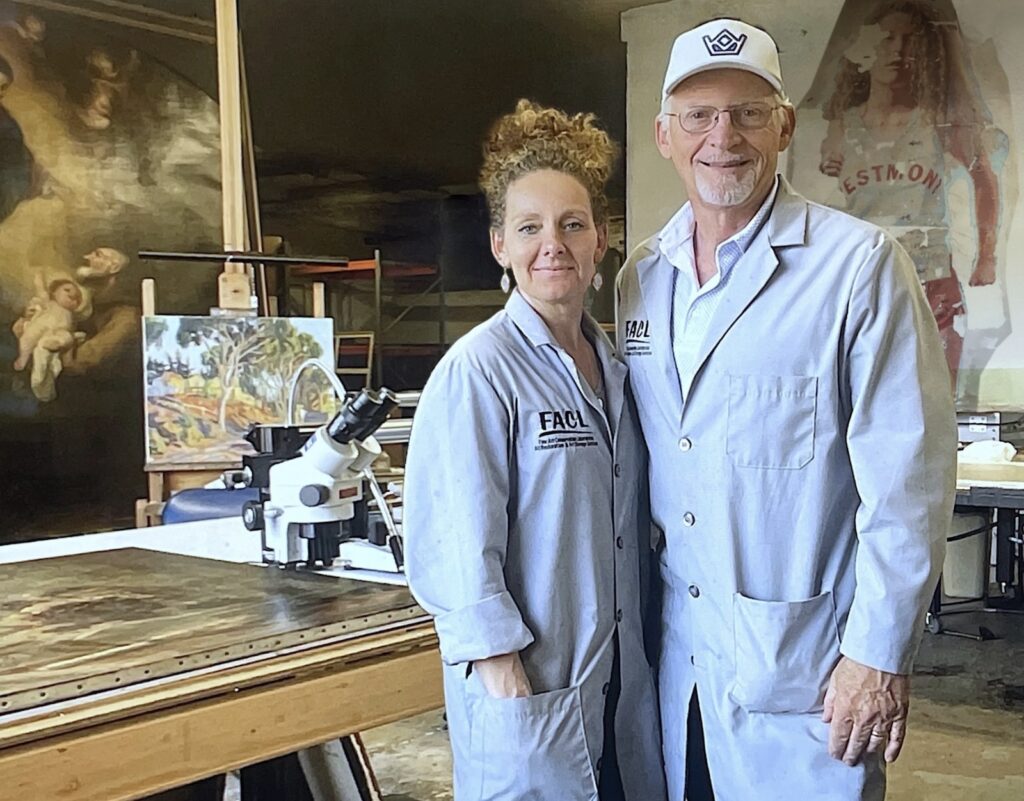
Virginia Panizzon and Scott M. Haskins and Veteran Art Conservators with decades of professional experience

Scott M. Haskins and Virginia Panizzon Veteran Art Conservators at Fine Art Conservation Laboratories.

FAQ — SAVE WATER-DAMAGED ART & HEIRLOOMS
1. Can water damaged artwork be saved?
Yes. Most water damaged paintings, prints, documents, and heirlooms can be stabilized and restored by a trained art conservator.
2. How quickly does mold begin to grow on artwork?
Mold can begin forming on wet or damp art within 4–48 hours, especially in warm humid environments.
3. Should I try to force-dry the artwork myself?
No. DIY drying can cause permanent warping, paint loss, or structural failure.
4. Does homeowners insurance cover water damaged art?
Often yes — especially if the damage resulted from a sudden or accidental leak. Some insurance companies require a ryder for water damage. FACL can provide documentation insurers require.
5. What if the artwork was damaged during a move?
Commercially shipped items often sit in warehouses, on docks, in containers where they get wet. Also, handling is often not careful and forklifts for heavy items often damage shipping crates. Accidents in storage containers and units are common. Once again, check both your home owner’s policy and the shipper’s insurance policy. Conservation treatments can often recover the piece when the insurance company declares the item a “total loss.”
5. Can you pick up the damaged items?
Yes. FACL provides pickup, delivery, and professional storage if you are in our regular service areas. Professional conservation ensures that saved water-damaged artwork is stabilized correctly so the condition is stopped and doesn’t get worse in the future. Call us to discuss 805 564 3438 or… if you know someone with these problems, they may be praying for help to find the right person to help them!

No one but fully trained professionals touch the artwork

WHY HOMEOWNERS TRUST FACL
You deserve a team with proven expertise — not guesswork.
Fine Art Conservation Laboratories has been entrusted with some of the most complex water damage conservation projects in the Western United States, including:
6,600 sq. ft. of water damaged murals — Los Angeles Produce Murals

350+ homeowner claims — Montecito mudslides & Woolsey Fire
A nationally acclaimed (water-logged) mural in Houston, Texas
Municipal, museum, and institutional emergency conservation
Scott M. Haskins is an internationally renowned, award winning author of the Save Your Stuff series of books for home preservation and disaster response for art.

Whether the artwork is one square foot or six thousand, homeowners receive the same museum quality care.

We are waiting for your call to discuss your concerns and questions!

or… if you know someone with these problems, they may be praying for help to find the right person to help them!

FACLOfficeManager@gmail.com
805 564 3437
Scott M. Haskins, Art Conservator
Virginia Panizzon, Art Conservator
Gena Dillon, Business Manager
Lindsey Geier, Office Manager


Syndication

icon of "content syndication"

“Your blog post has been syndicated at ExpertClick.com

Its a bit of a coup to get an article syndicated, and its certainly prestigious, as additional “proof” that the info and the author are considered far and wide authoritative and an expert in the field. This article was syndicated for USA national redistribution. What does it mean that this article is “syndicated”?

When something is published, usually by a news source, and is made available through different venues for redistribution then it is said to be syndicated. Publications that are syndicated are usually considered of value as being from an expert, educational, new worthy or valuable for wide popular interest. See syndication page at the renowned publicity site: https://www.expertclick.com

This website’s syndication included:
1) Included in the ExpertClick Press Room as a ‘press release.’ (different than a ‘news release’)
2) Included in the ‘Speaker Bureau Platform Page.’
3) Shown on the front page of ExpertClick, in rotation with other most recent posts.
4) Shown in the ‘News Release Results page.’
5) Included on optimized for searches on all my topics of expertise.
6) Shown via RSS linked from the Press Room. (A specific way news is actively distributed within the industry)
7) Shown in the full RSS feed from ExpertCick. (Another, different specific way news is actively distributed within the industry)
8) Syndicated to LexisNexis.com As of 2006, the company had the world’s largest electronic database for legal and public-records related information, distributor of academic content and expert opinion.

Posted in Water Damage | Tagged , | Leave a comment

New Grand Egyptian Museum – Grand Opening this week!!! Wow!!!

“Your blog post has been syndicated at ExpertClick.com” Its a bit of a coup to get an article syndicated, and its certainly prestigious, as additional “proof” that the info and the author are considered far and wide authoritative and an expert in the field. This article was syndicated for USA national redistribution. What does it mean that this article is “ syndicated”?  See explanation at end of article. So, enjoy and trust our content!!

See video of New Grand Egyptian Museum Grand Opening 2025 towards the end of this article

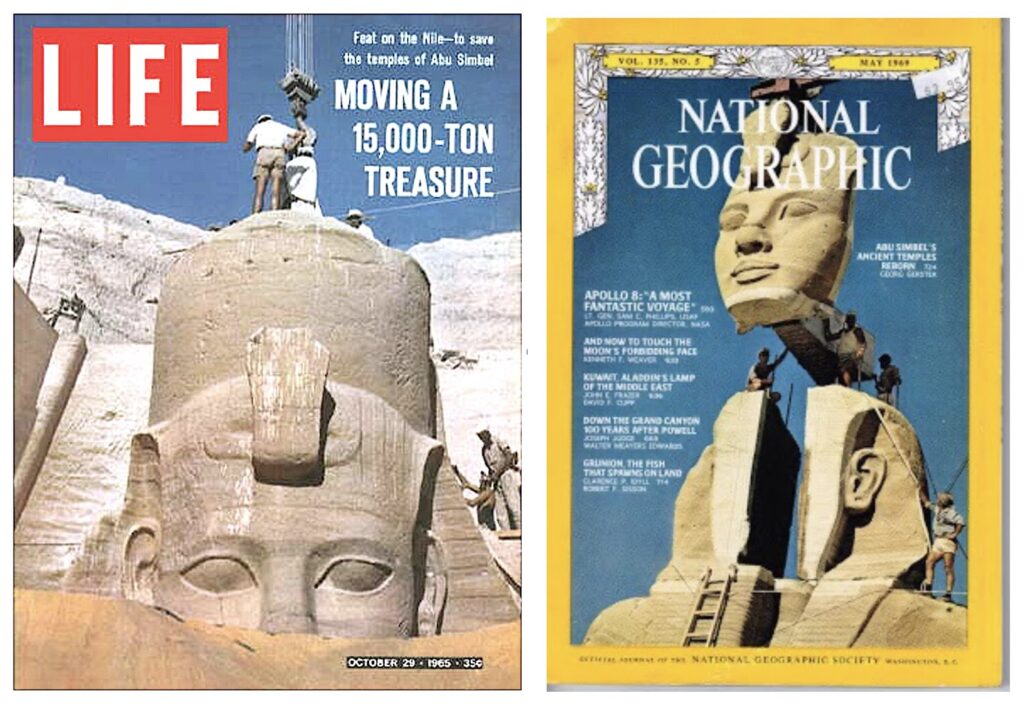
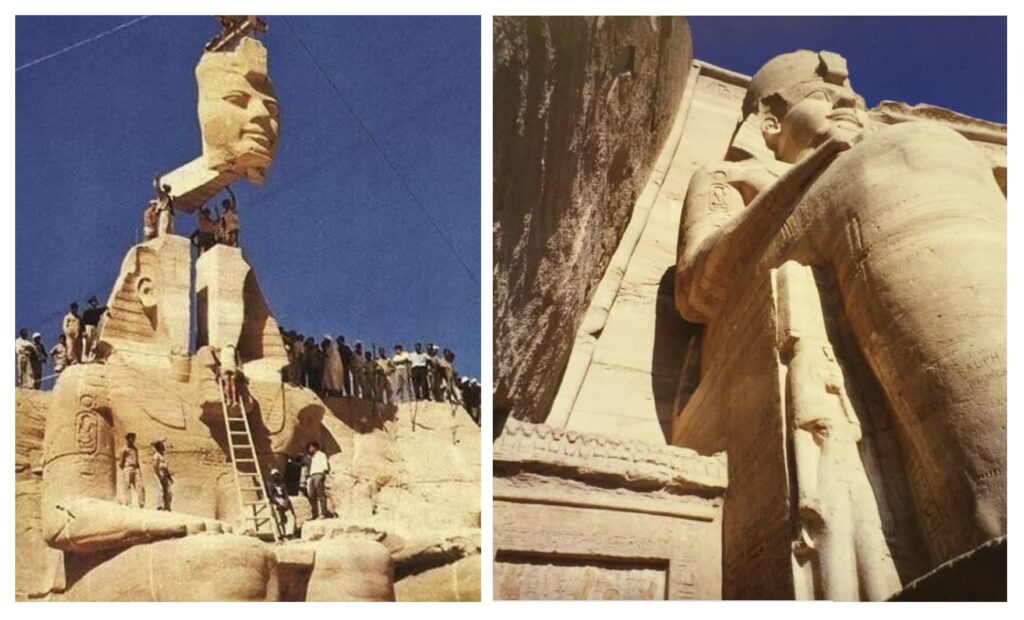
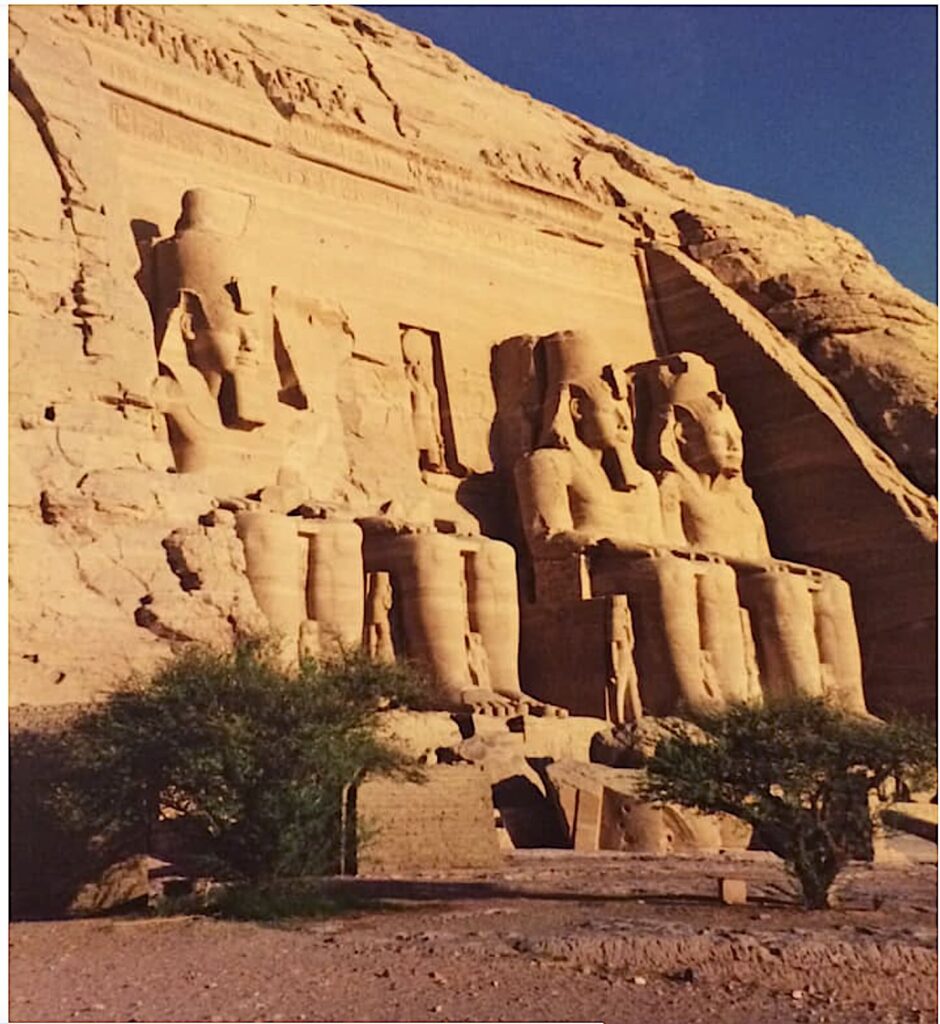
My first memory of my imagination being captured by ancient civilizations and travel, I think, was the October 29, 1965 issue of Life magazine (I was 12 years old), which featured the Abu Simbel temples of Ramesses’ II on its cover, focusing on the incredible UNESCO project to relocate the temples before they were flooded by the Aswan High Dam. The cover highlighted the monumental effort involved in dismantling and moving the massive stone structures to hire safer ground.

I’m sure that multiyear project continued to put out PR that caught my attention but I remember the cover of National Geographic from the 1969 issue. Perhaps my peaked interest in archaeology was part of why I took up making pottery as a late teen in high school, which eventually paid my way to Europe.

It was during that first visit to Italy, in the City of Turin (Torino), that I met Luigi Briccarello. He was an old man who was high functioning autistic, spoke well 17 languages and read 27 languages, many of them ancient dead languages. One day, he invited me to go with him to the Egyptian Museum in Torino, at the time the third largest Egyptian museum in the world after the British Museum and the Egyptian Museum in Cairo. As we walked through the museum, he read to me the sarcophagi and papyri like they were newspapers! Wow… my surfer-boy thinking from SoCal was forever changed!!! And my sensitivities to antiquity and their stories were fueled!

Luigi Briccarello and Scott Haskins at the Egyptian Museum in Torino, Italy 1973

Such was my interest in archaeology that when, at the end of my bachelor’s degree, I was inspired to pursue the professional field of graduate studies in Art Conservation, my intent was to work in the field of archaeology salvaging, saving, preserving and restoring artifacts as they came out of the ground. I had a very romantic vision of my life!

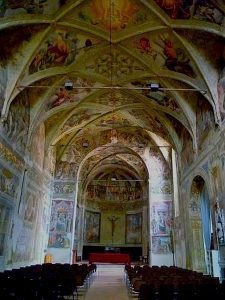
Removing overpaint from Renaissance murals in Northern Italy.

But fate presented me with the opportunity to get into the conservation field being accepted into a painting conservation program in northern Italy. At first, I thought this would be a quality steppingstone towards my final destination of working in the archaeological field. But after a month of actually working on murals in a 1000-year-old monastery, I began to change my mind to stay with working on murals and paintings… though the thought and my interest about the preservation, restoration of archaeological materials stayed with me even until the end of my master’s degree level graduation.

One of my mentors in my educational process was Paolo Bacchin, a veteran of mural and paintings conservation from Vincenza who had worked for UNESCO on murals in lost temples in the jungles of Cambodia and had great stories and lessons about those experiences. He had also worked on murals in the tombs of Egypt and those experiences fired up my imagination.

When I graduated with that degree, I received an introduction to meet with Dr. Matteini, head or Director of the Fortezza da Basso conservation laboratories in Florence where he guided me through the archaeology conservation labs as they were working on world famous Greek bronzes of warriors and attic ceramics. What an amazing, stimulating experience and memory that visit was!! He offered to me an opportunity to work in that lab, even though my professional background experience had been in murals and paintings. But I had just invested and had great success in obtaining my three-year painting conservation degree, and I could not see compromising that focus by now changing specializations… so I stayed with the specialization of painting conservation.

You can imagine how advanced studies about antiquity in Italy would fuel my passion and interest… and it has never died.

Egypt with its support from the International community has finally seen the value in putting into context the Egyptian historical evidence in a way that spectacularly shows the high quality and major influence this civilization has had on our world for maybe 5,000 years (I agree strongly with Relational Archaeologists/Anthropologists/Ancient Studies Scholars that there has been a worldwide interaction of civilizations throughout the world’s history). The establishing of the new and amazing Grand Egyptian Museum has taken a long time, it seems to me, but that’s probably because with much interest I’ve been so anxious to how it progresses. Well, the Grand Opening happened this week!!

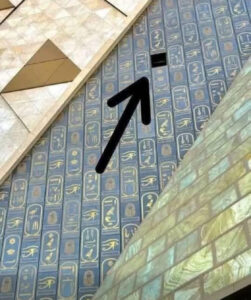
What a quality build, down to very fine details to represent the ancient civilizations. For example, When you stand in front of the facade of the Grand Egyptian Museum, you will notice a small hole in the wall, which is filled with cartouches with the names of ancient Egyptian kings. Many people think that it is just a ventilation shaft, but in fact it hides a truly extraordinary astronomical and historical secret!

This hole was specially designed to commemorate one of the greatest phenomena in the history of ancient Egypt – the alignment of the sun with the face of Ramesses II in his temple at Abu Simbel.

The hole is tilted at a precise angle, so that on the day of this phenomenon, a ray of sunlight passes through it and falls on the face of the statue of Ramesses II in the great hall – as if light itself were returning to visit him and celebrate with him his birthday and the day of his coronation as Pharaoh of Egypt.

Ramesses II

This is a series of images related to the mummy of Ramesses II, found in the Valley of the Kings in Egypt. Ramses II reigned from 1279 to 1213 BC, during the 19th Dynasty, making this relic over three thousand years old.

The first image showcases the mummy’s fragile state, a testament to the passage of millennia. The subsequent images offer a digital reconstruction of what Ramses II may have looked like in life. The reconstruction, while scientific, carries the weight of history.

What resonates most is the idea of bringing the past into the present. A ruler, once commanding armies and shaping an empire, is now reduced to dust, yet science attempts to restore his image. A poignant reminder of mortality and the enduring human quest to understand the Egyptian ancestors.

This is a big item on my “bucket list.” May your imagination and interests be stimulated and alert to the wonders of the world!!!

If you have art restoration questions, feel free to call us to discuss your questions at 805 564 3438 or write us at FACLOfficeManager@gmail.com Let’s have a chat!!

Article Syndication Graphic.jpg

“Your blog post has been syndicated at ExpertClick.com”

Its a bit of a coup to get an article syndicated, and its certainly prestigious, as additional “proof” that the info and the author are considered far and wide authoritative and an expert in the field. This article was syndicated for USA national redistribution. What does it mean that this article is “ syndicated”?  So, enjoy and trust our content!!

This article has been syndicated at ExpertClick.com

What does it mean to be syndicated? See end of article.

What does it mean that this article is “ syndicated”?

When something is published, usually by a news source, and is made available through different venues for redistribution then it is said to be syndicated. Publications that are syndicated are usually considered of value as being from an expert, educational, new worthy or valuable for wide popular interest.

This website’s syndication included:

1) Included in the ExpertClick Press Room as a ‘press release.’ (different than a ‘news release’)

2) Included in the ‘Speaker Bureau Platform Page.’

3) Shown on the front page of ExpertClick, in rotation with other most recent posts.

4) Shown in the ‘News Release Results page.’

5) Included on optimized for searches on all my topics of expertise.

6) Shown via RSS linked from the Press Room. (A specific way news is actively distributed within the industry)

7) Shown in the full RSS feed from ExpertCick. (Another, different specific way news is actively distributed within the industry)

8) Syndicated to LexisNexis.com As of 2006, the company had the world’s largest electronic database for legal and public-records related information, distributor of academic content and expert opinion.

Posted in Historic Buildings - Construction Sites, Historic Preservation, In The News About Art Conservation, Saving Public Art, Travel | Tagged , | 7 Comments

Position Available – Office Manager

Our professional art paintings conservation laboratory is looking for a positive minded, well organized, energetic person to be part of the admin of an interesting, top quality, very active art preservation and restoration related business that services the government, cultural heritage organizations, museums, art dealers, auctions, designers, art collectors, and other private clients.

This person will be in the front office, assisting in the logistics of the 10,000 sq. ft. lab, interacting with all staff, clientele and public. Hours are 9-5, M-F. This position will have support from additional remote admin services. Preference will be given to qualified candidates who live locally. This is not a remote work opportunity.

Our work environment is very positive but busy, especially with the disaster response work we are doing as a result of the fires in the Los Angeles area. Applicant must work well with others and be a self-starter. We also will consider the expertise and services of an independent contractor for this position. Take note: a pleasant personality that does not get upset and has excellent organizational skills will trump any other qualities, skills or experience. Art related experience is not required, related to this position or desired.

Besides a positive attitude and organizational skills, what will be evaluated will be phone skills, social media experience, blogging experience and attention to detail. Reliable transportation and the ability to drive errands is required. Bookkeeping, etc. is not part of this job description. Your references will be called!

If you are interested in this position, please do the following two tasks before responding to discuss this position:

1. go to the blog on our website (see pulldown menus under slides in header), choose to read a blog post that interests you and then leave a comment and thumbs up. Here is a suggested blog post, but you may choose any one that interests you: https://www.FineArtConservationLab.com/blog

  1. Go to our YouTube channel and choose a video that interests you. Watch the entire video till the very end and then like the video and leave a comment. http://www.youtube.com/bestartdoc

Please respond to this offering by calling Scott Haskins, Head of Conservation and Pres. FACL, Inc. 805-570-4140. Please do not respond before you have accomplished the two tasks.

Once we talk we will discuss your financial and benefits needs. There will be a 3 month trial period to begin.

The first person who is qualified (see above descriptions) and is a blessing from heaven for us, we will hire.

Thank you.

Scott M. Haskins

805 570 4140

Posted in Travel | 2 Comments

An Irate Girlfriend – A Fine Art Insurance Claim?

“Your blog post has been syndicated at ExpertClick.comIts a bit of a coup to get an article syndicated, and its certainly prestigious, as additional “proof” that the info and the author are considered far and wide authoritative and an expert in the field. This article was syndicated for USA national redistribution. What does it mean that this article is “ syndicated”? See end of article for explanation. So, enjoy and trust our content!!

One of our clients, recently told me the story of a wonderful project we did for him, but sometime later, “went South”… 

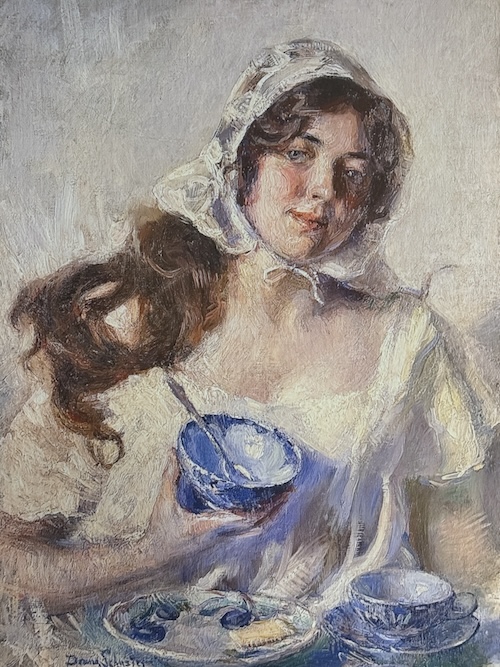
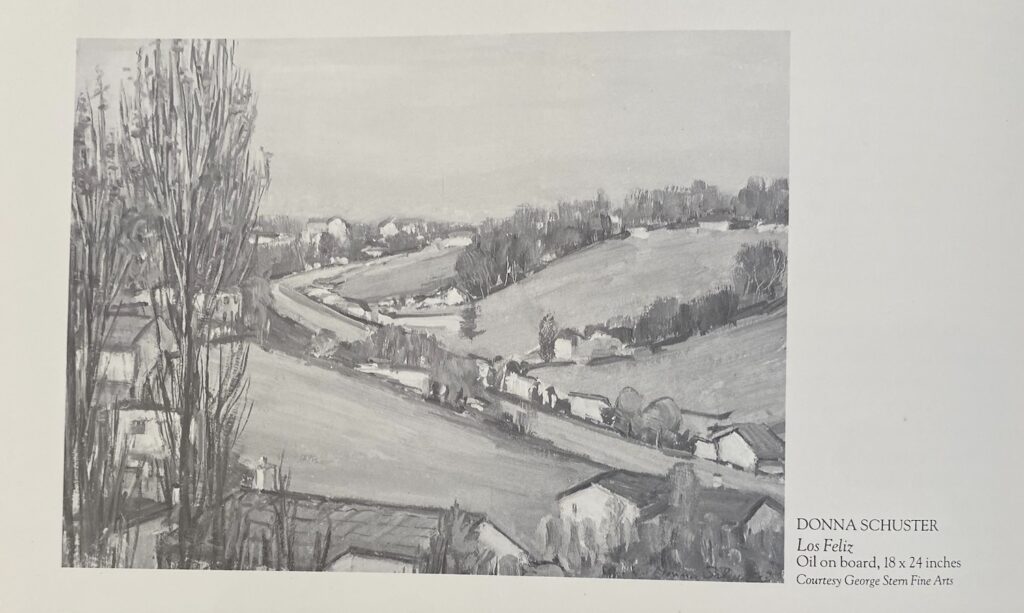
Bobby told me about his live-in girlfriend who, in a fit of anger, grabbed his favorite painting (a beautiful view of Los Feliz done by Donna Schuster in the 1920’s on artist board) off the wall of the beach house and smashed/broke it into pieces! 

Self portrait by Donna Schuster in Paris as she sat across the table having breakfast with Willliam Merritt Chase

Shocked, he gathered the pieces and asked the art dealer who sold him the painting what he should do. George Stern referred him to Fine Art Conservation Laboratories (Click here for his testimonial…  ). It was with a very sad face and not much hope that he handed me the zip lock bag with the pieces of artwork in it… 

We rejoined all the pieces, backed the original artist board for more strength and made it look like it never happened (click here for another amazing project of saving valuable art). Tony, the owner was over-joyed with disbelief.

Los Feliz by Donna Schuster

But Tony, I guess, had a thing for this girl… and didn’t break up with the girlfriend after her furious tantrum and her “attempt” to destroy his favorite painting. She was in fact a bit put out, once we had done the “amazing restoration,”  that the painting was back on the wall looking as gorgeous as before!  Too bad he didn’t throw the blonde out after her hissy fit… 

It was no wonder, then, when her next furious tantrum erupted, she targeted the restored Donna Schuster painting again and, this time, threw it in the Pacific Ocean!

As hard as Tony tried among the surging tide and waves, it was never found again. I wonder which “loss” event could be claimed on an insurance policy?!?! The black-and-white photograph is the only evidence of the painting, illustrated in the “Southland” book of Ruth Westfall (page 102)… which means it was probably a worthy painting of being loved.

See the expanded article with other stories of irate partners that “take it out” on their lover’s prized possession of art (and where art restoration comes to the rescue)! Click here… (coming soon)

Article Syndication Graphic.jpg

What does it mean that this article is “ syndicated”?

When something is published, usually by a news source, and is made available through different venues for redistribution then it is said to be syndicated. Publications that are syndicated are usually considered of value as being from an expert, educational, new worthy or valuable for wide popular interest. Click here to see the syndication page at the renowned publicity site

This website’s syndication included:

1) Included in the ExpertClick Press Room as a ‘press release.’ (different than a ‘news release’)

2) Included in the ‘Speaker Bureau Platform Page.’

3) Shown on the front page of ExpertClick, in rotation with other most recent posts.

4) Shown in the ‘News Release Results page.’

5) Included on optimized for searches on all my topics of expertise.

6) Shown via RSS linked from the Press Room. (A specific way news is actively distributed within the industry)

7) Shown in the full RSS feed from ExpertCick. (Another, different specific way news is actively distributed within the industry)

8) Syndicated to LexisNexis.com As of 2006, the company had the world’s largest electronic database for legal and public-records related information, distributor of academic content and expert opinion.


Posted in Insurance, Interesting Stories | Tagged , , | 6 Comments

Old Indio – Mural Restoration and Maintenance – Public Art in Coachella Valley

This article was syndicated for USA national redistribution. What does it mean that this article is “ syndicated”? See end of article for explanation

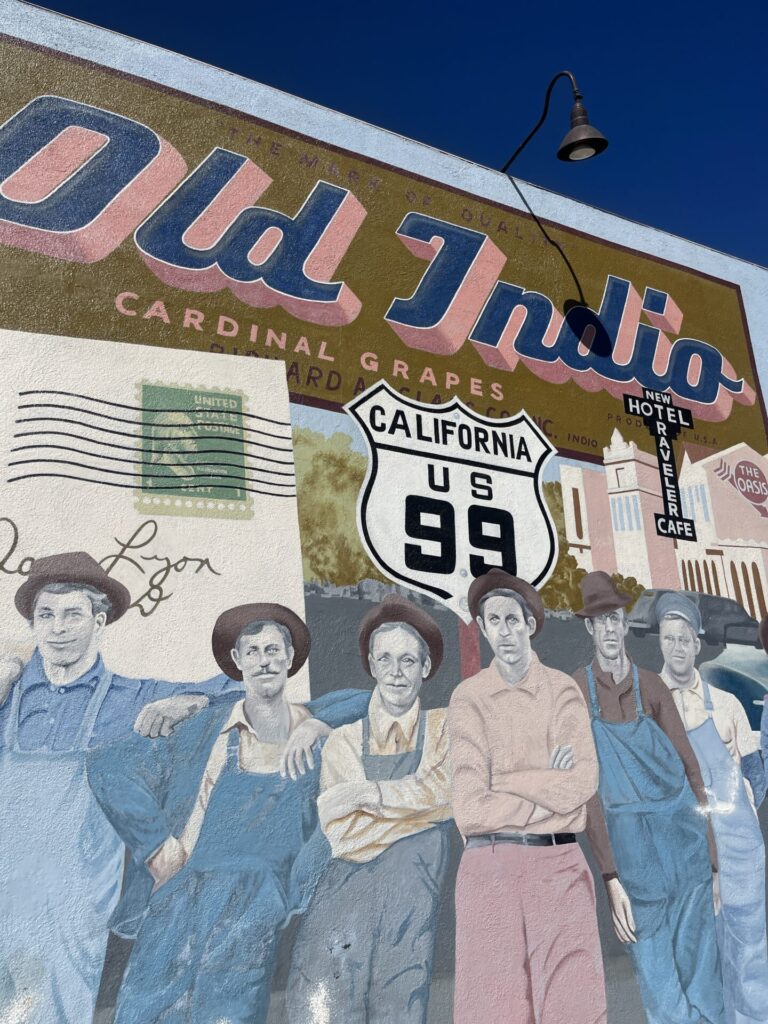
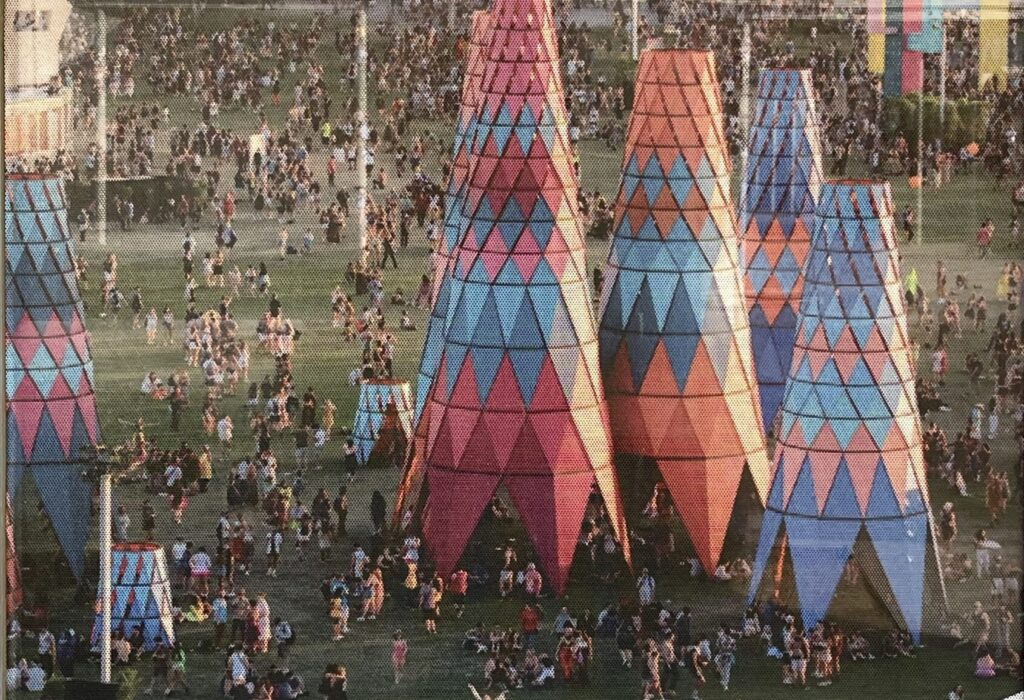
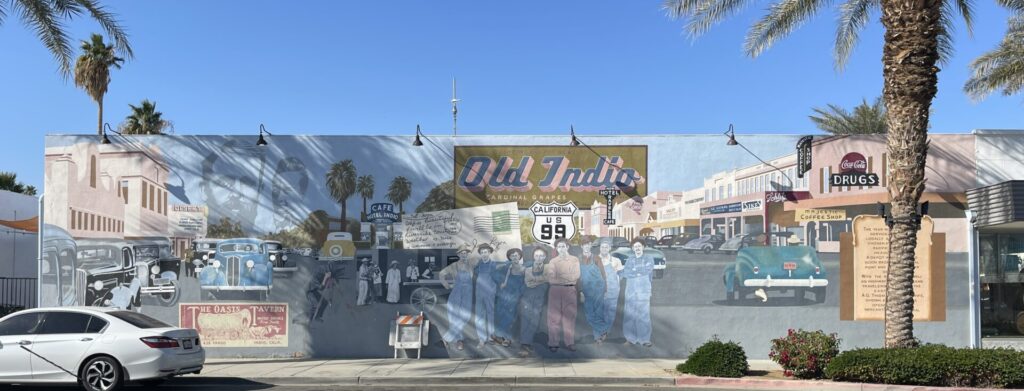
Old Indio by Bijan Masoumpanah painted in 2014,  covers the entire side of a building 20′ x 70′ in historic downtown Indio, CA. Once an area known only for its date growing industry, most people not only kn0w about this area but flock to it several times a year for the multiple festivals that are held. The most famous is the Coachella Music Festival but I was surprised that they have a super well attended International Taco Festival!!! LOL…

Burning Man Festival is probably the most infamous… although, the Coachella Music Festival is huge and well known now. Anyway, its been with foresight that the City Council of Indio has been utilizing quality public art as an attraction to bring the festival goers to their town for over 20 years.

I was very surprised at the quality of the murals the first time I “got the tour.” None of them are thrown up casually.”Old Indio” tells a story and triggers stories by locals about how much things have changed in this corner of California.

Painted 10 years ago, the mural has needed maintenance, as you might imagine, given the hot desert temperatures (it gets direct morning sun) and winds, given the ding dongs with spray cans, and given the poor construction of the building’s walls. But, with a proper protective coating to make graffiti easier to remove and the upkeep of flaking plaster, this iconic mural in the main part of town will remain in good condition and reflect the “pride of ownership” of the City of Indio for many decades to come.

Kudos to the City for these efforts to beautify and inspire the community with quality art. There are now about 20 murals in the public outdoor art gallery of Indio.


Don’t be surprised if you see models and movie set crews posing in front of the murals… but don’t worry, you’ll look just as good as they do on social media.

Keywords #FineArtConservationLaboratories #ScottMHaskins #PublicArtMaintenance #ProtectiveCoatingsMurals #MuralMaintenance #MuralRestoration #AntiGraffitiCoating #MuralProtectionGraffiti#BijanMasoumpanah #CityofFestivalsMurals #IndioMurals #CoachellaValleyMurals #IndioPublicArt #CoachellaValleyPublicArt #CityofFestivals #PublicArt #MuralConservation #MuralGuard #RainGuardPro #CoachellaMusicFestival

Article Syndication Graphic.jpg

“Your blog post has been syndicated at ExpertClick.com”

Its a bit of a coup to get an article syndicated, and its certainly prestigious, as additional “proof” that the info and the author are considered far and wide authoritative and an expert in the field. This article was syndicated for USA national redistribution. What does it mean that this article is “ syndicated”?  So, enjoy and trust our content!!

This article has been syndicated at https://www.expertclick.com/

What does it mean to be syndicated? See end of article.

What does it mean that this article is “ syndicated”?

When something is published, usually by a news source, and is made available through different venues for redistribution then it is said to be syndicated. Publications that are syndicated are usually considered of value as being from an expert, educational, new worthy or valuable for wide popular interest. See syndication page at the renowned publicity site: https://www.expertclick.com/NewsRelease

This website’s syndication included:

1) Included in the ExpertClick Press Room as a ‘press release.’ (different than a ‘news release’)

2) Included in the ‘Speaker Bureau Platform Page.’

3) Shown on the front page of ExpertClick, in rotation with other most recent posts.

4) Shown in the ‘News Release Results page.’

5) Included on optimized for searches on all my topics of expertise.

6) Shown via RSS linked from the Press Room. (A specific way news is actively distributed within the industry)

7) Shown in the full RSS feed from ExpertCick. (Another, different specific way news is actively distributed within the industry)

8) Syndicated to LexisNexis.com As of 2006, the company had the world’s largest electronic database for legal and public-records related information, distributor of academic content and expert opinion.

Posted in Consultations, Murals, Saving Public Art | Tagged , | 3 Comments

The Salvaging, Preserving and Mural Restoration of the Intermountain Intertribal Indian School Murals in Logan, Utah

Cultural Heritage Murals Saved by Utah State University 2025


January 24, 2025

Just after World War II, the Intermountain Indian School in Brigham City, Utah, opened as a federally funded residential boarding school for children from the Navajo Nation. Expanding its services in 1974, it admitted youth from any Native American tribe and as many as one hundred Native Nations were represented adding “Intertribal” to its name. In an effort to show pride and community, Native American youth who attended the school have gathered over the decades to repaint the symbolic “I”… (for “Intermountain”) on the side of the mountain overlooking the former campus and Brigham City, Utah both during and since the facility’s closure in 1984. Intermountain was one of the 523 Native American boarding schools that dotted the United States during the nineteenth and twentieth centuries.

Nationally renowned Chiricahua Apache artist Allan Houser taught art at Intermountain for almost a decade. Houser and some other faculty and staff at Intermountain embraced the arts and encouraged students’ creative self-expression. Art with Indigenous themes was prominently displayed across campus, adorning hallways and dorm rooms. These vibrant artworks were not the product of professional artists but the students themselves. Given paint and permission from their teachers, these young individuals created images that connected them with home and their culture. Through their creativity and perseverance, students found ways to assert their cultural heritage and navigate the constraints of an educational system that encouraged blending in. This forward out-of-the box thinking and instruction was the same intellectual process that Dr. John Biggers was encouraging at Texas State University in Houston, Texas.

In 2013, when Utah State University purchased the land on which the former school sat, these murals were found in a garage. Someone in the community had removed and saved a small selection of the artworks before the buildings were torn down. The Nora Eccles Harrison Museum of Art has worked with Intermountain alumni, scholars, and tribal leaders to preserve these works of art.

Through a careful search for a mural restoration expert, Scott M. Haskins, Art Conservator with extensive experience working in Utah for almost 50 years, reassured to provide the best quality work and the highest quality services needed for this big project.

See this short video of their restoration treatments:

Following their mural conservation treatments over the last four years, the eleven murals featured in the exhibition that once adorned the walls of the Intermountain Indian School, are proudly put on permanent display at the Intermountain Inter-tribal Native American Cultural Center. This is the first time these restored murals are available for the public to view.

Intertribal Murals Saved and Restored by Utah State University 2025

The recovery, preservation, restoration and preparation for exhibition of the 11 mural sections were undertaken by Fine Art Conservation Laboratories (aka FACL, Inc.) and Scott M. Haskins, Head of Conservation in Santa Barbara, CA. FACL also consulted and collaborated with Prince Gallery Inc. in North Logan, Utah and Frank Prince on the display and framing of the 11 sections.

The art conservation of the murals was made possible with support from:
The Terra Foundation for American Art
Marriner S. Eccles Foundation
National Endowment for the Humanities
Utah State University
Lubetkin Family Foundation
Utah Division of Arts and Museums

Native American Intertribal Murals Salvaged and Restored 2025

As well as the following individuals:
Daniel Diem and Kent Bracken, David Lancey and Joyce Kinkead, Chuck and Louise Gay, Carl and Mary-Ann Muffoletto, Noel and Patricia Holmgren, Terry and David Peak, Jessica Schad, Ann Berghout-Austin and Dennis Austin, Evelyn Funda, Cree Taylor, Kirsten Vinyeta, Kerry Jordan and Jon Brunn, Jody and Dione Burnett

Programming support is provided by:
Charles Redd Center for Western Studies, Brigham Young University
Cache County RAPZ and Restaurant Tax Program

Intermountain Mural Advisory Committee 
This committee was formed in early 2021 to advise NEHMA on the art restoration and exhibition of the murals.

  • Information used by permission by The Nora Eccles Harrison Museum


Intertribal Murals Saved and Restored by Utah State University 2025


#UtahStateUniversity, #NoraEcclesArtMuseum, #USU, #NativeAmericanArt, #IntertribalArt, #ArtConservation, #MuralConservation, #muralrestoration, #FineArtConservationLaboratories, #ScottMHaskins, #VirginiaPanizzon 

Utah State University, Nora Eccles Art Museum, USU, Native American Art, Intertribal Art, Art Conservation, Mural Conservation, mural restoration, Fine Art Conservation Laboratories, Scott M. Haskins, Virginia Panizzon

Some of the murals will be on permanent exhibition at the new museum being built on Capital Hill in Salt Lake City, some will remain at USU on exhibition and some will travel. They have already been the subject of intense research and helped to stimulate a resurgence of interest in study in the Federal Native American Boarding School System.

Other links of interest:

https://www.FineArtConservationLab.com

https://www.fineartconservationlab.com/murals/the-salvaging-preserving-and-mural-restoration-of-the-intermountain-intertribal-indian-school-murals-in-logan-utah/

Questions about your art? Speak with an art conservator: Scott M. Haskins 805 570 4140 mobile Virginia Panizzon 805 564 3438 work

Frank Prince Gallery of Art and Framing, 2600 N Main St # 106, Logan, UT 84341  Phone: (435) 750-6089

Katie Lee-Koven (she/her) Executive Director & Chief Curator Nora Eccles Harrison Museum of Art Utah State University 4020 Old Main Hill | Logan, UT 84322-4020 435.797.0164

http://artmuseum.usu.edu More information from USU

https://www.usu.edu/artmuseum/exhibitions/repainting-the-i

To Donate to Art Conservation Efforts at the art museum https://www.usu.edu/artmuseum/donate

Article Syndication Graphic.jpg

“Your blog post has been syndicated at ExpertClick.com”

Its a bit of a coup to get an article syndicated, and its certainly prestigious, as additional “proof” that the info and the author are considered far and wide authoritative and an expert in the field. This article was syndicated for USA national redistribution. What does it mean that this article is “ syndicated”?

This article has been syndicated at https://www.expertclick.com

What does it mean to be syndicated? See end of article.

What does it mean that this article is “ syndicated”?

When something is published, usually by a news source, and is made available through different venues for redistribution then it is said to be syndicated. Publications that are syndicated are usually considered of value as being from an expert, educational, new worthy or valuable for wide popular interest. See syndication page at the renowned publicity site: https://www.expertclick.com/

This website’s syndication included:

1) Included in the ExpertClick Press Room as a ‘press release.’ (different than a ‘news release’)

2) Included in the ‘Speaker Bureau Platform Page.’

3) Shown on the front page of ExpertClick, in rotation with other most recent posts.

4) Shown in the ‘News Release Results page.’

5) Included on optimized for searches on all my topics of expertise.

6) Shown via RSS linked from the Press Room. (A specific way news is actively distributed within the industry)

7) Shown in the full RSS feed from ExpertCick. (Another, different specific way news is actively distributed within the industry)

8) Syndicated to LexisNexis.com As of 2006, the company had the world’s largest electronic database for legal and public-records related information, distributor of academic content and expert opinion.

https://www.expertclick.com

Posted in Historic Preservation, Murals, Saving Public Art | Tagged , , , , , , , , , , | 5 Comments

Smoke Damage on Collectibles, Memorabilia, Heirlooms, Art and Antiques – Tips For Making An Insurance Claim – Smoke Damaged Oil Paintings

What is so important about heirlooms? Why even bother? Be sure you know the answer before you talk to your insurance claims adjuster.

This authoritative article helps you (or someone you may know) to ask better questions and be more aware as you respond to your insurance company about fire, water and smoke damage. Call me on my mobile if you have questions! 805 570 4140.

I was recently the expert witness for 360 residents with claims against PG&E in the Thomas and Woolsey Fires in CA (and the Montecito debris flow), figuring out the equation for calculating a value for cleaning and restoring collectibles, heirlooms, art and memorabilia. That number was not contested and the claims were settled out of court.

Insurance companies need to find the right people, “Expert Brokers” for specialized claims, like art… especially if your claim is being handled by an “Independent Adjuster.”  An independent adjuster that consults with us as needed, out of Orange, CA, was asked to write this review up for you, given the “journey” we went on together to look in on a widow out in St. George, Utah who had a fire and lots of smoke damage. You will benefit greatly by following his advice. His tips are “gold.”  Scott M. Haskins, Art Conservator

Fished out of the trash thinking that it was a total loss, it was brought back, treasured and valuable!!! (From Disney’s Haunted House in Anaheim)

Tips For Making An Insurance Claim for Art and Antiques, Collectibles and Memorabilia

This article will help you discover a few valuable tips for making a successful insurance claim for damaged artwork, antiques, memorabilia, heirlooms and collectibles etc. which are exposed to smoke. I am a professional fine art insurance claims expert and I broker the expert services needed by the insurance companies to settle their claims. I’m going to share with you some insights from working on a couple of cases that will give you the inside info.

I work with art conservators all the time who work on smoke damaged items in their art conservation labs (Click Here for a quick video tour). I am often hired by insurance companies which deal with fine art claims. My job is to assess smoke damage to heirlooms, collectibles, antiques, keepsakes and memorabilia etc. when the owners of these articles file a claim. I’ve traveled as far as 1000 miles to look over damage and help settle the claim on smoke damage.

This painting exhibits warping from water damage, as well as flaking and discoloration

This painting was saved from the flames but practically destroyed by the water! Let’s talk about it before you toss it!!

Below are two smoke damage fine arts policy cases I handled. I hope this throws some light on ways to protect your collectibles and to look ahead at how you can be prepared in order to make appropriate claims if needs be. Those who collect and love their antiques, delicate furnishing, collectibles, family history and heirlooms etc. will for sure benefit from this article.

State Farm Asks: Is Smoke Damage Possible From 40 miles Away?

Waiting too long to file a claim will open you up to contamination of the evidence.

A short time ago I was asked to evaluate the fine finishes (gilding) and the artwork in an important estate in Los Angeles which claimed over $1/2 million damage. The prestigious property had a policy’s; part with State Farm, part with Chartis (previously known as Chubb Insurance Company) and filed a claim for smoke damage to their frames, sculptures, fine arts, murals and gilt surfaces etc. due to the smoke from a fire that took place 40 miles away and 2 years previously! The insurance companies assigned me to assess whether the articles were actually damaged by smoke or not.

In this case it was obvious that over the past two years lots of dust particles had settled on these articles as compared to possible smoke deposits from 2 years back thereby contaminating the possible evidence. (one important tip, don’t wait but file the claim while the event is recent for the best considerations and handling of your claim, Another tip: document the irrefutable damage as soon as it happens.. it will be your proof!). With the help of expensive scientific analysis, the amount of dust deposits and smoke could have been estimated separately. But, they asked me to drop the test as it would have cost them more than a $1000. And if many multiples of test sampled had been required the analysis could have been many $1,000s. In any case, I had an art conservator to come in and give me back up for a thorough inspection.

Screenshot

Smoke damage?

In the entry, there were 5 vaulted ceilings similar to this one, except the crown moldings were in gold leaf.

I read the fine art insurance claim documentation very carefully which included 10 pages of detailed descriptions about the different items and finishes which were claimed to have been subjected to smoke deposits and corrosion. As I walked through the house inspecting the items, the claimant gave me the red carpet tour of the entire estate and explained to me the damages which he had noticed. According to him the gilt finishes had suffered a change in color due to smoke but, I didn’t agree with his argument. Besides the gilt items being coated with a protected lacquer, the finish’s surfaces appeared to simply vary in their types of finishes and I did not consider them as alterations.

Perhaps the owner had forgotten the appearances of the various finishes in the house and now was noticing details for the first time with the closer inspections? This kind of confusion is pretty common in claims for damage. This becomes a topic for debate between the claimant and the insurance company.

In the end, I was not in favor of the claimant’s point of view. After careful inspection of all articles and their finishes I completed my report stating clearly that there were no alterations in the colors and finishes. Therefore Chubb Insurance Company didn’t pay out on this fine arts damage claim.

In another case, however, Chubb faced another claim worth $500K for a painting damaged in storage. After checking the painting thoroughly I recommended Chubb not allow the claim. But still, the company immediately paid the claim to the claimant. Later I realized that the claimant was a major customer to the company and had plenty of collections, properties, toys and boats etc. insured with them. This incident showed that as per their business interests and not merely on their principles, the insurance companies may disallow or settle the claims. (Tip: Having all your insurance needs handled by the same company may give you leverage when it comes to a settlement)

However, such business decisions are not really my problem. My duty is to report back on the actual conditions of the claims accurately and I do this as an advocate of the artwork. I do not alter my opinion based on who is paying me (the insurance company, or the claimant). This gives me credibility as an expert witness on art related matters and when I have to appear as a legal testimony in court.

Silver that was smoked.

Next Example: Allstate Insurance Company

In this incident of smoke damage, the insurance company did everything possible, voluntarily to help their customer with this claim.

As you may be aware, huge fast moving fires can be very fickle and sometimes consume one house while leaving the house next to it. Such was the case with this family’s house. While the fire burned everything all around the house, it “only” filled the house with heavy smoke.

In this case, the Allstate Insurance set an example for all the other insurance companies as to how they should act with the intention of protecting the client’s interests. As the victims were under mental stress and trauma, these policy holders were unable to file the smoke damage claim for their collectibles, family history items and keepsakes, heirlooms, etc. Even after a whole year passed they had not yet filed a claim. Still, the insurance company kept all options open and was waiting for them to address the issues of family keepsakes.

As an expert in the preservation and saving of treasured family items from smoke damage I brought in Scott M. Haskins, author of “How To Save Your Stuff From A Disaster” and owner of Fine Art Conservation Laboratories (FACL, Inc.).  His company acted as the coordinator between the claimants and the insurance company. They gave all the possible help to the affected people in preparing their claims. They helped the client prepare a complete list of keepsakes and collectibles together with photographs and helped them to complete the claim making procedure. They also recommended special treatments for articles such as drawings, sculpture, photo albums, rare books and artworks etc. which must never be cleaned with industrial products. They made a list of around 550 various items including photos, paintings, antiques, books, furniture and statues etc. All these objects were damaged by smoke.

FACL Inc. performed the evaluation and gave the report and assessment to help file the claim. Once the formalities were completed between the insured and the insurance company, they helped the claimants in the conservation of articles by getting rid of the smoke smell & deposits.

An art conservator is not an appraiser. In fact, it’s usually considered a conflict of interest for a restorer to give you an opinion on value. So, that will be a separate task, that of finding an appraiser that will give you the correct value.

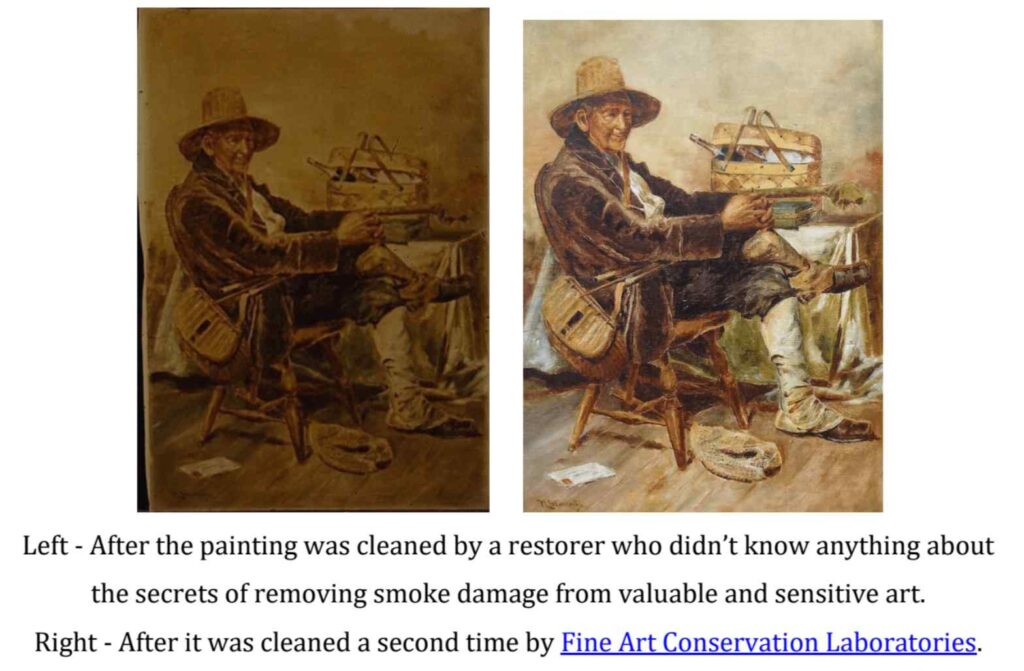
Wiped and said to be cleaned by another restorer, the 1st attempt to properly restore this valuable family portrait was poorly done. The difference from actually removing the damage is extreme. I had to contract FACL to do the follow up cleaning properly.

To conclude, here are 5 important tips to file a fine art policy claim of smoke damages:

  1. All the important documentation of the collectible’s records must be copied and kept in another location away from the collection. Online storage is a good option but remember to inquire about personal information security. To make this point, here is the short video of an interview with a woman that suffered a house fire: http://www.youtube.com/watch?v=7lCx-xg4BMY
  2. Since items made of metal corrodes very quickly by ash and smoke, immediate action must be taken.
  3. Insurance agents should be informed right away and with the proper documentation.
  4. Always hire a true professional when it comes to cleaning the artworks and antiques etc. Don’t allow general house cleaners and disaster response clean up companies to clean them.
  5. To avoid errors while filing the claim, ask the experts for help in order to determine the degree of damages.

Give Scott Haskins a call for a free chat: 805 564 3438 office, 805 570 4140 mobile

Gena Dillon, Disaster Response Coordinator 805 564 3438

For art appraisal questions? Call Richard Holgate 805 895 5121 mobile

Even though the heirloom painting was a throw away because of the extensive smoke damage, according to the owner, he was elated that the cleaning brought it back to its original condition.

If this article answered questions, provided guidance and educated, please click on the “LIKE” – THUMBS UP at the top of the page. Also, please leave a comment!

Article Syndication Graphic.jpg

“Your blog post has been syndicated at ExpertClick.com”

Its a bit of a coup to get an article syndicated, and its certainly prestigious, as additional “proof” that the info and the author are considered far and wide authoritative and an expert in the field. This article was syndicated for USA national redistribution. What does it mean that this article is “ syndicated”? Enjoy and trust our content!!

This article has been syndicated at https://www.expertclick.com/NRWire/Releasedetails.aspx?id=308641

What does it mean to be syndicated? See end of article.

What does it mean that this article is “ syndicated”?

When something is published, usually by a news source, and is made available through different venues for redistribution then it is said to be syndicated. Publications that are syndicated are usually considered of value as being from an expert, educational, new worthy or valuable for wide popular interest. See syndication page at the renowned publicity site: https://www.expertclick.com/NRWire/Releasedetails.aspx?id=308641

This website’s syndication included:

1) Included in the ExpertClick Press Room as a ‘press release.’ (different than a ‘news release’)

2) Included in the ‘Speaker Bureau Platform Page.’

3) Shown on the front page of ExpertClick, in rotation with other most recent posts.

4) Shown in the ‘News Release Results page.’

5) Included on optimized for searches on all my topics of expertise.

6) Shown via RSS linked from the Press Room. (A specific way news is actively distributed within the industry)

7) Shown in the full RSS feed from ExpertCick. (Another, different specific way news is actively distributed within the industry)

8) Syndicated to LexisNexis.com As of 2006, the company had the world’s largest electronic database for legal and public-records related information, distributor of academic content and expert opinion.

Posted in Disaster/Emergency Response, Expert Witness/Legal Testimony, FACL in the media, In Lab, Water Damage | Tagged | 5 Comments

Disneyland’s Haunted Mansion Portraits, Saved and Restored.

Its a bit of a coup to get an article syndicated, and its certainly prestigious, as additional “proof” that the info and the author are considered far and wide authoritative and an expert in the field. This article was syndicated for USA national redistribution. What does it mean that this article is “ syndicated”? See end of article for explanation. So, enjoy and trust our content!!

By Scott M. Haskins, Head of Conservation

Are you aware that there are five Haunted Mansion versions that exist at Disney World, Disneyland Anaheim, Tokyo Disneyland, Disneyland Paris and Hong Kong Disneyland?

Walt Disney used the Winchester Mystery House in San Jose, California, as inspiration for the ride. But, The Disneyland Anaheim mansion is supposed to be representative of a New Orleans home.

The Winchester House, once owned by Sarah Winchester, is known for its immense size, architectural oddities, and the fact that Sarah believed it was haunted by the ghosts of those killed by Winchester rifles.

The original 2 Disneyland designers disagreed on how the haunted mansion concept would be built. One wanted it to be funny, while the other wanted it to be scary. In the end, the two themes were combined… and I’m pleased to see that it’s more entertaining than terrifying.

The first mansion opened at Disneyland Anaheim on August 9, 1969 and, as you can imagine, there have been renovations in the last 56 years. In fact there have been renovations at several of the haunted houses as technology has developed.

My father was an elementary school district superintendent in Anaheim, California during my earlier years growing up and all of the local schools used to get discounted access to Disneyland once a year. There must’ve been other promotional programs also because as a child from very young through my teenage years, we would go to Disneyland at least a couple of times a year and I remember one weekend where we went all three days on single day passes. Not only was the haunted house one of the new attractions 16 years after the amusement park opened, it has persisted as one of the most popular attractions in the park.

The 4 family portraits at the entrance of the Haunted Mansion that we preserved and restored a few years ago

Just to refresh your memory, when you enter the attraction of the Haunted House you gather into an entryway of the mansion, where the story of the hauntings begins, and the floor imperceptibly lowers, magically expanding the height of the room. As the room becomes hauntingly taller, the four paintings on the walls are apparently stretched from about 4 feet to 10 feet tall, changing the appearance from a pretty picture of a mansion’s family member to a gruesome funny image. This is the introduction to the Haunted Mansion.

About 10 years ago, we were approached by a collector in the Los Angeles area who had what he thought were all four of the original paintings. Apparently, they had been discarded as part of a renovation. All four of these paintings were original oil paintings. We cleaned and varnished them and mounted the paintings so they would be stable, framed and displayed. It was really a nostalgic thrill to have them come into the lab and be responsible for their preservation as a piece of American culture. It was really fun to have them under our care for a while.

Fished out of the trash by the head electrician of a building renovation and stored rolled up for decades.

You can imagine how surprised we were about a month ago when I got a call from the Las Vegas area. The family’s grandfather had been the chief electrician at Disneyland Anaheim, who serviced the Haunted Mansion. During his employment there, as they shut down the attraction for renovation and began demolishing certain parts, the workers threw into the trash the paintings previously mentioned! The family’s father could not bear to see these iconic paintings discarded so unceremoniously he rolled 2 of them up and took them home where they have been in storage, rolled up like maps, for decades.

The children and grandchildren now are interested in having the paintings look their best so they can display them and continue to tell the funny stories that accompany their grandfather‘s work there. Checking online, they also discovered that these same images from other Disneyland Haunted Houses have come up at auction over the years and have brought up to $150,000 each!

So, once again, we are thrilled to have under our care. the preservation and restoration of two more of the paintings from the Haunted Mansion at Disneyland Anaheim.

The two paintings were stabilized, so that any flaking was stopped; they were also relaxed on a warming table so that all the cracks and distortions would lie flat; they were, of course, cleaned and very carefully touched up if there was paint missing. They received several coats of archival varnish that doesn’t yellow and new frames were built that were reproduced from photos in the Haunted Manson. What fun to see them preserved and looking great for future generations! We’re ging to redeliver them to the family in a couple of weeks… they are going to go NUTS with excitement!!!!

After art conservation treatments with new frame to reflect the style of the original frame

Article Syndication Graphic.jpg

“Your blog post has been syndicated at ExpertClick.com”

Its a bit of a coup to get an article syndicated, and its certainly prestigious, as additional “proof” that the info and the author are considered far and wide authoritative and an expert in the field. This article was syndicated for USA national redistribution. What does it mean that this article is “ syndicated”? See end of article for explanation. So, enjoy and trust our content!!

This article has been syndicated at https://www.expertclick.com/NRWire/Releasedetails.aspx?id=308581

What does it mean to be syndicated? See end of article.

What does it mean that this article is “ syndicated”?

When something is published, usually by a news source, and is made available through different venues for redistribution then it is said to be syndicated. Publications that are syndicated are usually considered of value as being from an expert, educational, new worthy or valuable for wide popular interest. See syndication page at the renowned publicity site: https://www.expertclick.com/NRWire/Releasedetails.aspx?id=308581

This website’s syndication included:

1) Included in the ExpertClick Press Room as a ‘press release.’ (different than a ‘news release’)

2) Included in the ‘Speaker Bureau Platform Page.’

3) Shown on the front page of ExpertClick, in rotation with other most recent posts.

4) Shown in the ‘News Release Results page.’

5) Included on optimized for searches on all my topics of expertise.

6) Shown via RSS linked from the Press Room. (A specific way news is actively distributed within the industry)

7) Shown in the full RSS feed from ExpertCick. (Another, different specific way news is actively distributed within the industry)

8) Syndicated to LexisNexis.com As of 2006, the company had the world’s largest electronic database for legal and public-records related information, distributor of academic content and expert opinion.

https://www.expertclick.com/NRWire/Releasedetails.aspx?id=308581

Posted in In Lab, Painting on canvas, Saving Public Art | Tagged , , | 8 Comments

Retablo at Mission San Juan Capistrano Preserved, Restored, Protected

(“Your blog post has been syndicated at ExpertClick.com” Its a bit of a coup to get an article syndicated, and its certainly prestigious, as additional “proof” that the info and the author are considered far and wide authoritative and an expert in the field. This article was syndicated for USA national redistribution. What does it mean that this article is “ syndicated”? See end of article for explanation. So, enjoy and trust our content!!)

The front wall of the Father Serra Chapel at Mission San Juan Capistrano, CA is a very detailed, sculpted in wood, wonderfully gilt ‘retablo’ that was created in a workshop in Seville, Spain about 150 years before the mission was built. For the next two weeks, Fine Art Conservation Laboratories (FACL) will be preserving, restoring, protecting this important part of the the most famous of the The 21 Missions of California.

The monumental crucifixion, painted in 1800, was a wonderful art conservation project some years ago.

Previous restorations utilized inferior quality materials that have tarnished and the Mission is looking to ‘restore the sparkle’ of this gorgeous ‘wow’ factor of the mission, especially for the holidays arrive. More on this as the project progresses.

The tabernacle that sits on the main later in front of the Retablo

The art conservation treatments for gilding on the tabernacle, the main alter and the 6 candlestick holders are still to be scheduled. Contact the Mission Executive Director if you would like to participate in the wonderful historic preservation work that will benefit our future generations with these devotional objects.

Previously, FACL has had in the lab for stabilization, restoration and preservation the 4′-5′ carved wooden and painted statues that are in the niches and on the wall pedestals in the front of the chapel. Also, the monumental crucifixion, painted in 1800, was a wonderful art conservation project some years ago.

At the moment in our lab,, Fine Art Conservation Laboratories is also working on and consulting about artifacts and art from the Santa Barbara Mission and Mission San Luis Obispo.

Questions? Call Scott Haskins, Head of Conservation

805 570 4140 or faclartdoc@gmail.com

#ScottMHaskins #VirginiaPanizzon, @FineArtConservationLaboratories, @SanJuanCapistrano @MissionSanJuanCapistrano @OldSpanishMissions @FatherJuniperoSerra

Article Syndication Graphic.jpg

Its a bit of a coup to get an article syndicated, and its certainly prestigious, as additional “proof” that the info and the author are considered far and wide authoritative and an expert in the field. This article was syndicated for USA national redistribution.

This article has been syndicated at https://www.expertclick.com/NRWire/Releasedetails.aspx?id=307482

What does it mean to be syndicated? See end of article.

What does it mean that this article is “ syndicated”?

When something is published, usually by a news source, and is made available through different venues for redistribution then it is said to be syndicated. Publications that are syndicated are usually considered of value as being from an expert, educational, new worthy or valuable for wide popular interest. See syndication page at the renowned publicity site:

This website’s syndication included: https://www.expertclick.com/NRWire/Releasedetails.aspx?id=307482

1) Included in the ExpertClick Press Room as a ‘press release.’ (different than a ‘news release’)

2) Included in the ‘Speaker Bureau Platform Page.’

3) Shown on the front page of ExpertClick, in rotation with other most recent posts.

4) Shown in the ‘News Release Results page.’

5) Included on optimized for searches on all my topics of expertise.

6) Shown via RSS linked from the Press Room. (A specific way news is actively distributed within the industry)

7) Shown in the full RSS feed from ExpertCick. (Another, different specific way news is actively distributed within the industry)

8) Syndicated to LexisNexis.com As of 2006, the company had the world’s largest electronic database for legal and public-records related information, distributor of academic content and expert opinion.

Posted in Historic Preservation, Saving Public Art | Tagged | 3 Comments