



By Aspen Smith, Art Conservation Technician Intern

When a cherished family heirloom — an oil painting that hung in the family dining room for a couple of generations — starts to show its age, the atmosphere in the home changes. The artwork may have survived several moves, a kitchen remodel, decades close to a fireplace, and even a stint in the garage or basement when no one quite knew what to do with it. Sometimes it sits in less-than-clean storage for a while, or a long while. Then one day someone stops and looks closely. The painting never used to look this dark. Maybe paint is flaking. Maybe the frame is banged up. For families across Salt Lake County, this moment of recognition is often the first step toward professional oil painting restoration — and FACL has been serving families along the Wasatch Front since 1978.
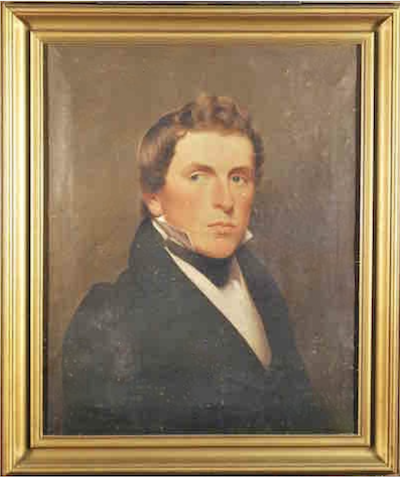
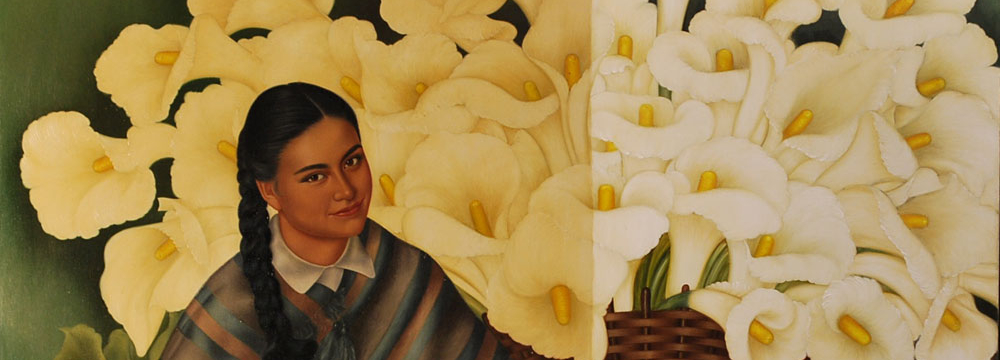
Ancestor’s portrait covered with nicotine
You might wonder if the painting is simply showing its age, or — as you notice cracks and delicate flakes of paint coming loose — you start to worry. It is natural to wonder if a canvas can even be cleaned safely without wiping away its history. Most people worry that this kind of aging is permanent, or worse, that trying to fix it will only make it worse (which is often true when handled by an amateur).
Do you have questions you’d like to ask and expert, someone reputable and knowledgeable? If you are looking at an easel painting in your home right now that looks yellowed, muted, or dirty, get another set of expert eyes on it before you make any decisions.
What Is Actually Happening to Your Antique Oil Painting?
In most cases, the change in colors you are seeing are happening on top of the painting, not inside it.
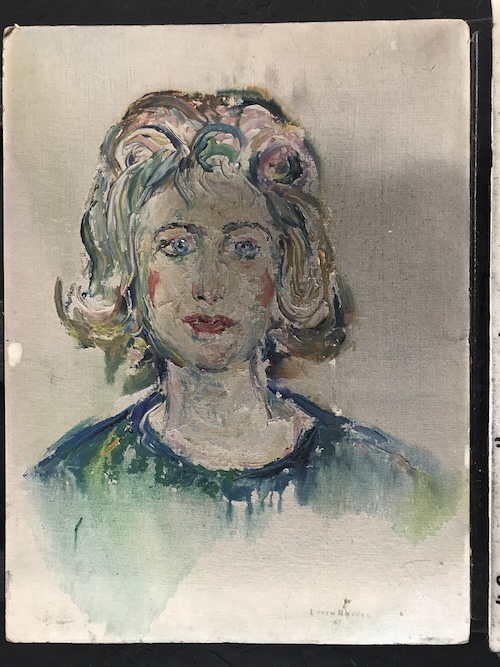
Imagine never repainting or deep cleaning the walls of a house for half a century. Over time, a layer of accumulated grime takes over. For an easel painting, this surface layer is a magnet for fifty years of ordinary living. Old natural varnishes can naturally turn yellow, amber, or even dark brown as they age. At the same time, this protective top layer traps environmental pollutants like soot from fireplaces, candles, and kitchen oils floating through the air, alongside sticky nicotine residue from decades ago.
Because people are naturally terrified of damaging a precious piece, these layers just keep building up. That fear is entirely justified. A lot of irreversible damage happens when well-meaning owners try DIY cleaning solutions they found online.
Organizations like the American Institute for Conservation emphasize that improper cleaning attempts by non-professionals are in grave danger of resulting in the permanent loss of original paint. This highlights the absolute necessity of consulting a trained specialist before undertaking any surface treatment. We do not recommend attempting to clean your painting yourself.
Have questions about a painting in your home? You do not have to guess at the solution or risk damaging a family treasure. Get your questions answered by an expert by calling our professional art conservation lab at (805) 564-3438.
Inside the Professional Art Conservation Lab
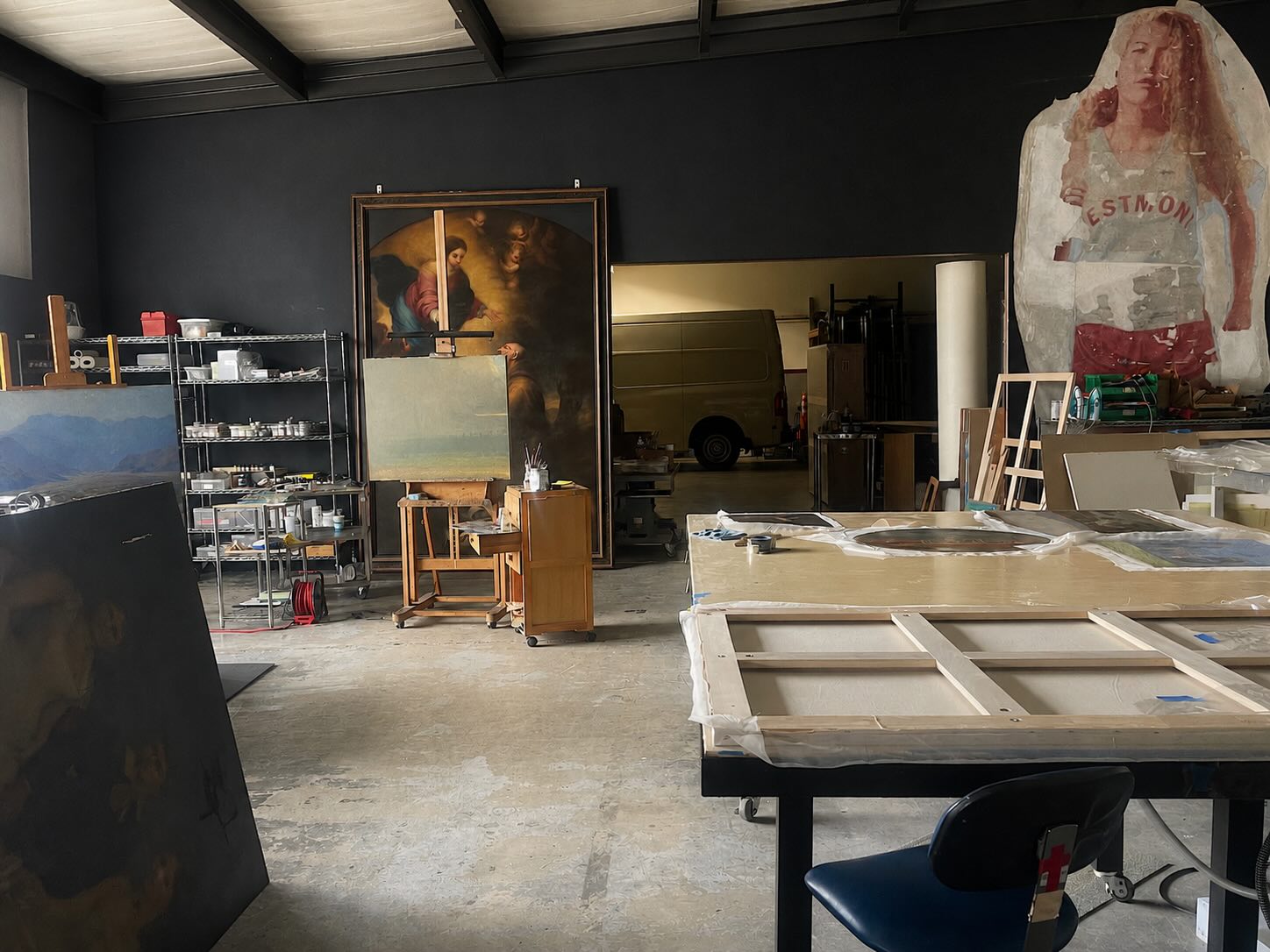
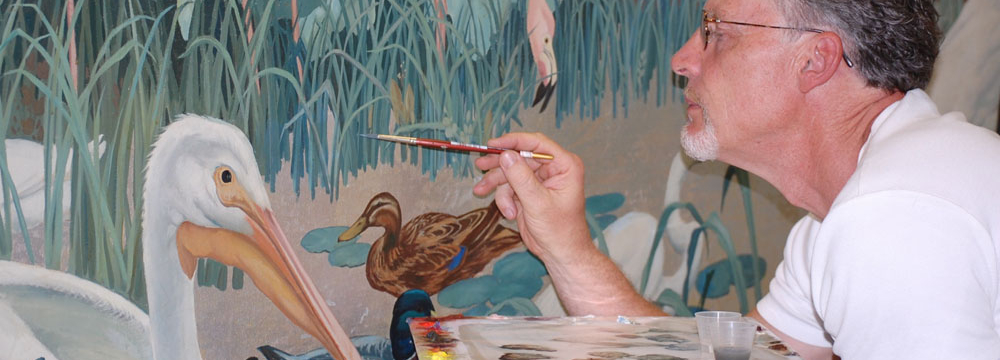
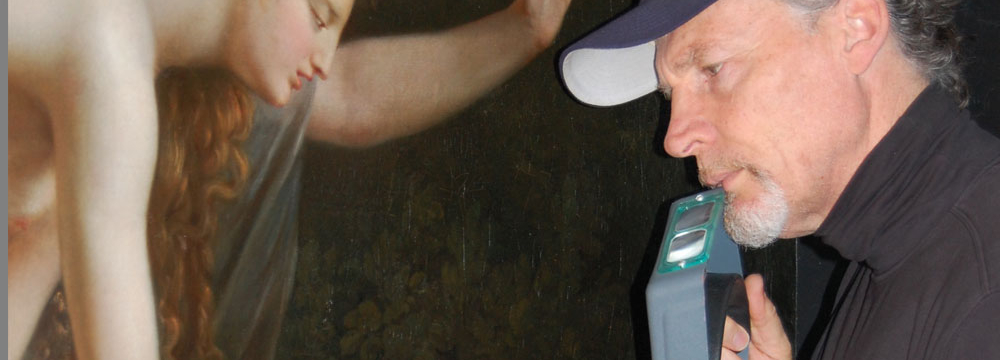
Fine Art Conservation Laboratories
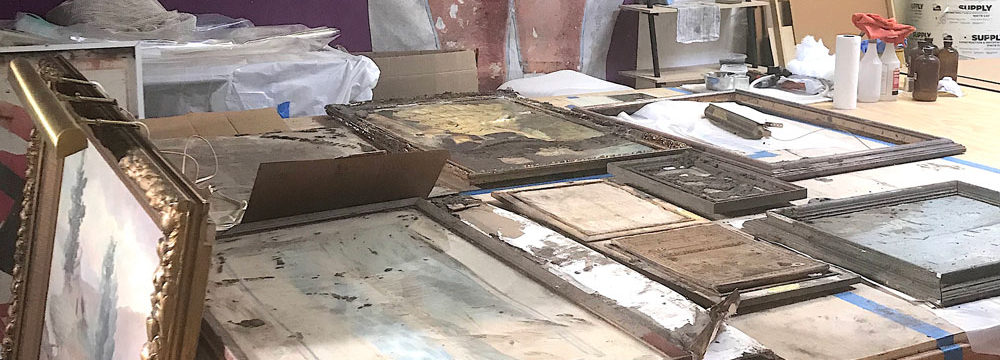
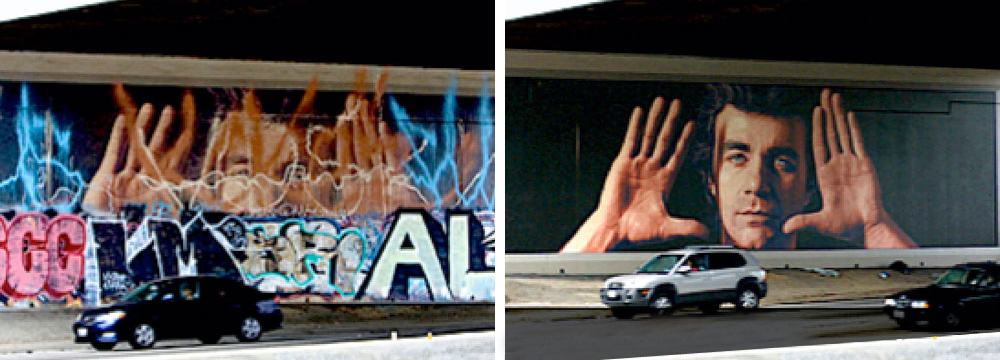
Everything from surface grime and yellowed varnish to severe lifting paint, flaking, cracking distortions, and rips (both small and super-ugly) can be safely stabilized and corrected in a professional art conservation lab. Heavy soot, puncture holes — you name it, it can be addressed.
Case Study: A Coal-Sooted Landscape, in the lab now
A startling example of this happened when a couple brought in a large old family painting that had become nearly impossible to enjoy due to accumulation from a past coal-burning heater. It was a scene of a deer standing among moonlit trees, but layers from the dirty air had built up over decades.
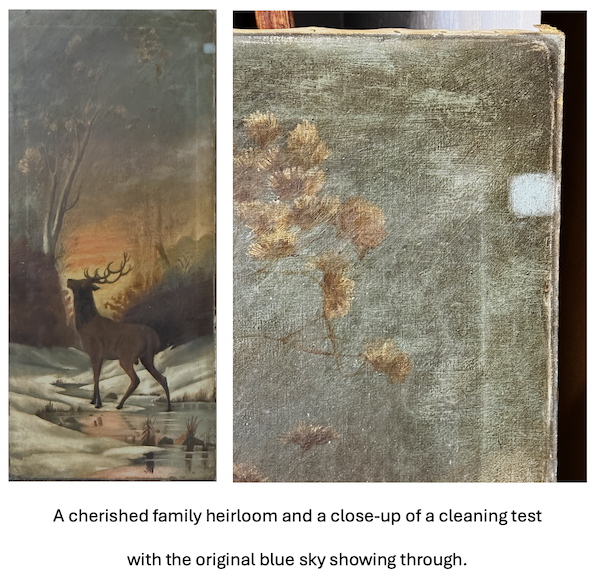
To make matters worse, someone had previously attempted a do-it-yourself (DIY) cleaning. That attempt only removed an uneven layer from the very top of the varnish, leaving behind a patchy layer of black and yellow residue. You could hardly make out the image at all, and it looked nothing like what the artist intended.
During the initial assessment, we performed a controlled cleaning test. After cleaning just a small spot that did not damage the original paint, we revealed a glimpse of the vibrant colors hiding underneath. Once the full cleaning is complete, the painting will look absolutely incredible, with the deep forest tones and the details of the deer restored to full view. Clearing away the discoloration does not just clean the surface; it completely reveals the skill and intent of the original artist.
Case Study: The Estonian Heirloom
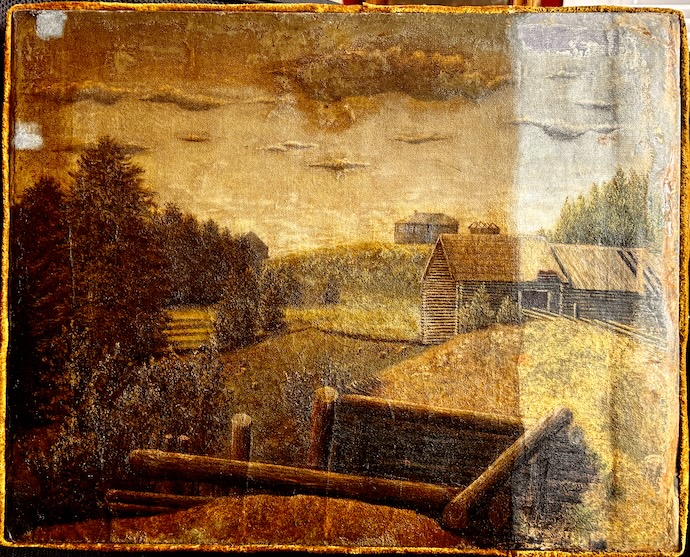
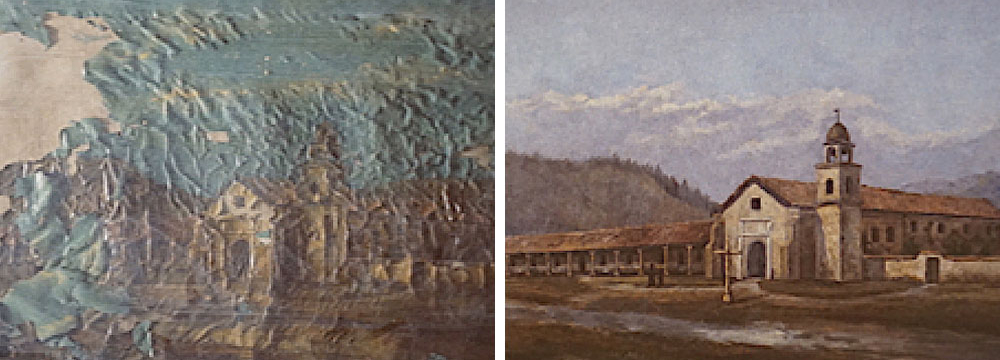
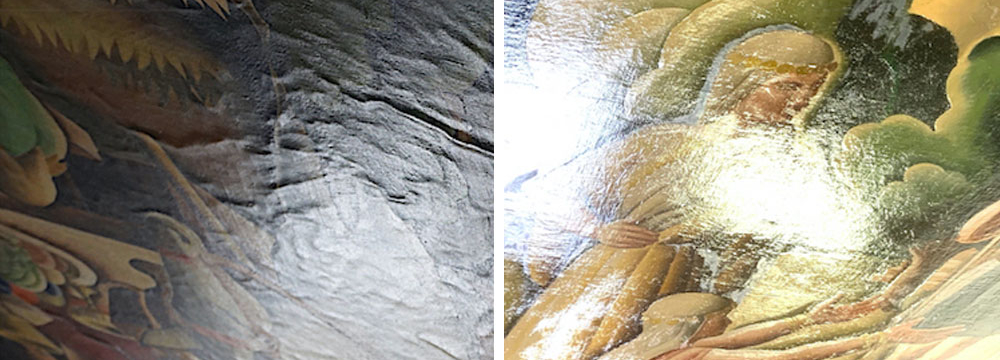
During removal of the horribly browned/orange varnish. Not the origin al colors on the right side.
Another deeply meaningful project involved a small heirloom painting with incredible history. The family’s ancestors had fled from Estonia during war, an experience that cast a shadow over the following generations. Because of the pain associated with that time, their Estonian heritage was rarely discussed openly. Eventually, the children inherited three small paintings, which served as their only tangible connection to their family roots.
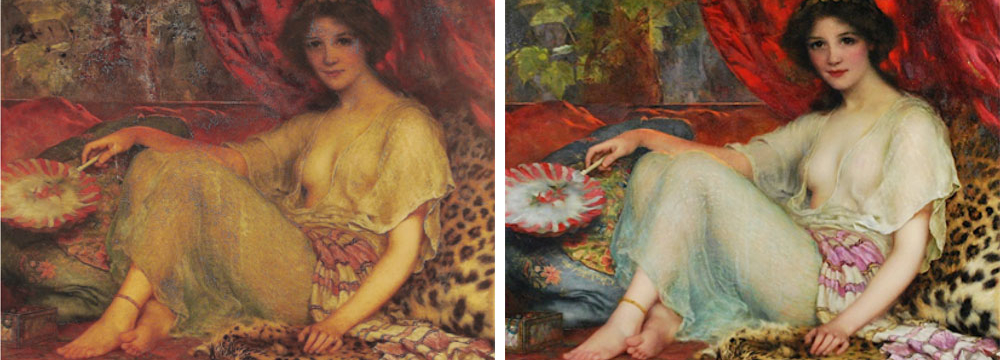
During its time in the lab, a photograph was taken midway through the preservation and restoration of art process to document the hidden beauty beneath the old layers. This photo shows a drastic change where the yellowed and darkened varnish is carefully cleared away. One half of the canvas is undeniably bright and lovely, while the other half is still masked under the blackened varnish. The transformation is absolutely amazing… and even more important, the artwork is preserved and will exist for generations to come.
Why Oil Paintings Slowly Turn Yellow, Dark, and Dull
One of the biggest misconceptions people have is assuming that old paintings are naturally supposed to look yellow, dark, or muddy. That is not true at all.
Most oil paintings are coated with a protective varnish after the artist finishes the work to protect the surface and saturate the colors beautifully. When first applied, that protective layer is likely crystal clear. However, as the years pass, many natural varnishes oxidize, lose their clarity, and yellow, sometimes quite rapidly. The process is usually so gradual that families do not notice it happening year by year. Then one day, someone with a sharp eye recognizes that the artwork seems to look different than it should.
In many family homes, people assume the painting itself has permanently darkened with age. But after careful cleaning and varnish removal, vibrant colors that nobody had seen in decades suddenly reappear. Backgrounds regain their depth, portraits show more expression, and entire sections of the canvas come back to life. This is not because the artwork is being repainted, but because a professional conservator has carefully removed what does not belong there. For families considering oil painting restoration in Salt Lake County, this distinction matters enormously — true professional art conservation reveals the original, it does not invent something new.
Environmental Factors: Why Salt Lake County Climate Matters for Oil Paintings
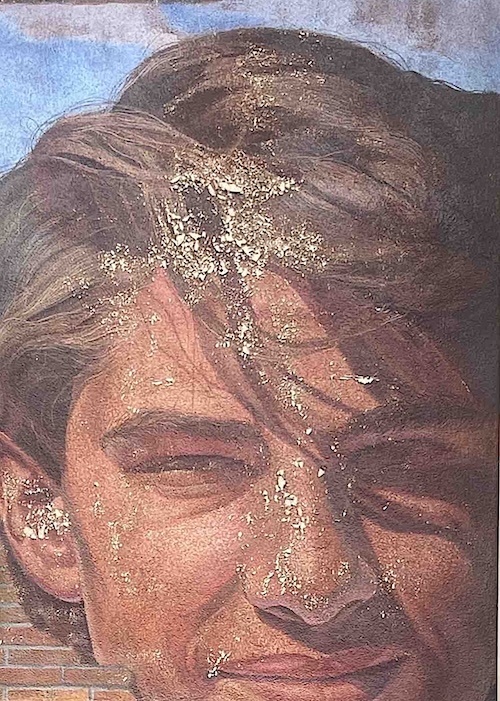
Where your painting lives, or is stored, matters. Fireplaces contribute heavily to canvas degradation; even occasional use releases fine soot particles that settle into the textured paint surface. The accumulation is completely invisible day to day, but over decades it changes the entire character of the artwork.
Geography also plays a massive role in how artwork ages. Salt Lake County and Utah County present a particular set of conditions for heirloom paintings. The “lightest dryest most incredible snow in the world” for skiing is also the dry, high-altitude air of the Wasatch Front that pulls moisture out of canvas and ground layers, making historical paintings progressively more brittle. Add seasonal humidity and temperature swings — wet winters, very dry summers — in your basement or attic storage area you have a recipe for disaster; the painting structure expands and contracts in ways that produce cracking (which usually leads to flaking), weakened edges, and lifting paint layers. Wood-burning fireplaces and wood stoves, common across Salt Lake County and Utah County homes and cabins, add another decades-long layer of soot.
None of this means your painting is ruined beyond repair. In fact, some of the issues that worry families the most turn out to be standard treatments for a professional conservator. FACL has been serving Salt Lake County and Utah County since 1978, with a long-standing commitment to families, collectors, and institutions across the Wasatch Front. We travel regularly into the area for evaluations, pickups, and consultations, and many Utah families have entrusted their heirloom paintings to our lab over those decades.
The Difference Between Restoring Oil Paintings vs. Acrylic Paintings
When people hear the phrase art restoration, they often assume every painting is pretty much the same. They actually aren’t. Oil paintings and acrylics react differently to the environment, meaning they need entirely specialized care. While oil paintings are typically sealed with a traditional varnish and possess a higher tolerance to specific conservation solvents, acrylics present a completely different chemistry.
Many contemporary acrylic paintings do not cover the entire canvas, leaving bare spots of canvas, nor do they have a protective varnish layer. This leaves them highly vulnerable to everyday dirt, fingerprints, and smudges, while their electrostatic nature actively attracts dust. Furthermore, acrylic paints are highly sensitive to most common solvents. Because modern paints have such unique chemistry, a professional conservator will always start with careful testing, as improper cleaning can permanently liquefy or smear the color and texture of acrylic artwork.
Preservation and Restoration of Art: Two Steps, One Goal
It helps to break the professional art conservation process down into two simple steps: preservation and restoration. Preservation focuses on stabilizing the condition and slowing active damage from continuing to occur. Restoration is the visual process of bringing back the colors, depth, and beauty the artist originally intended.
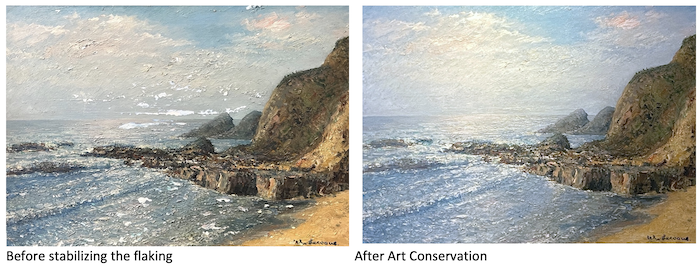
Saving the structure always comes first. If the paint is actively flaking, lifting, or peeling away from the canvas, you can’t just jump right into making it look pretty. A professional will first consolidate the paint and reinforce the canvas so the damage stops spreading. Once the painting is stable, visual restoration can begin.
Unsure if your painting is oil or acrylic? Speak directly with a live specialist to learn how to safely protect your artwork. Call us at (805) 564-3438 or reach out via email at Gena.FACLBusinessManager@gmail.com
Professional Canvas Repair: Fixing Tears, Rips and
Structural Damage
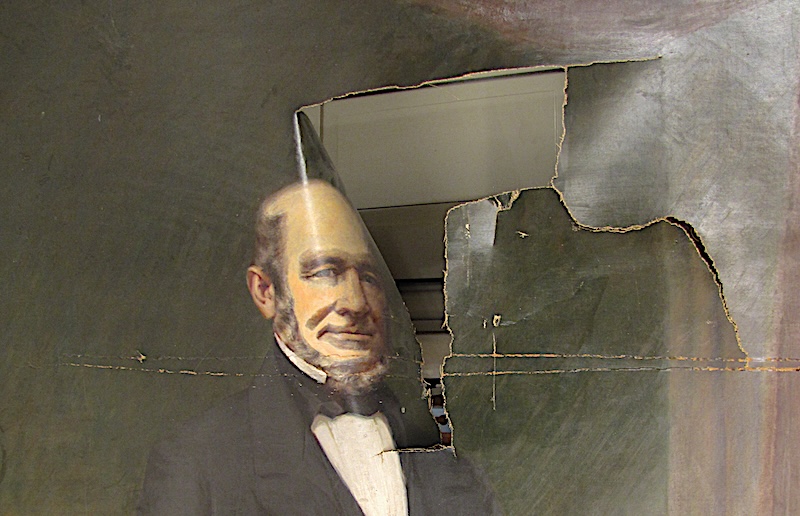
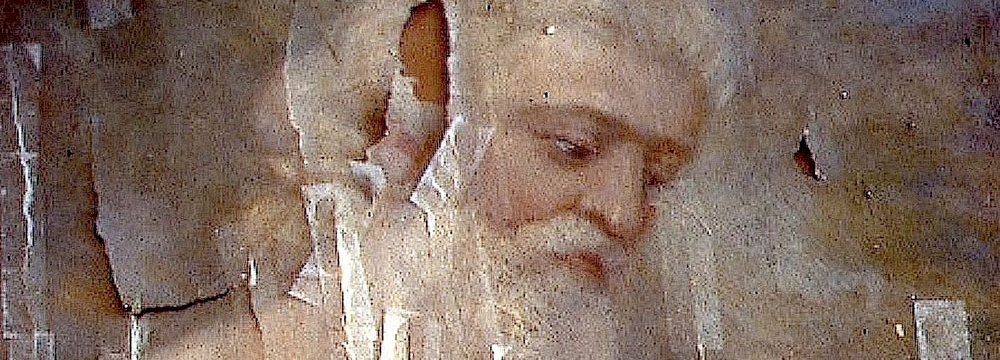
Ripped while leaned on in storage
True professional art conservation isn’t just a quick surface-level fix; it is about saving the structure so the artwork will be stable and look its best for decades in the future. The biggest issues with an old painting aren’t always the obvious ones. A single crack or flaking is usually just the tip of the iceberg. A piece might have been exposed to moisture decades ago, leaving microscopic weaknesses hiding beneath the surface where the paint separates from its backing and starts flaking around the edges of the wooden frame. Its common that rips are accompanied by flaking paint.
Sometimes the threat to a painting’s survival is sudden and heartbreaking, like an heirloom portrait of a soldier grandfather that is in the lab now. The rip occurred during shipping… the massive, nasty wound ran right across his face. To the distressed family, it looked completely ruined. In the lab, a conservator can actually mend those torn threads and fill in the missing paint with structural precision, making the damage disappear. Only after that stability is achieved can the cosmetic issues be addressed.
Fire Disasters and Smoke Damage Recovery
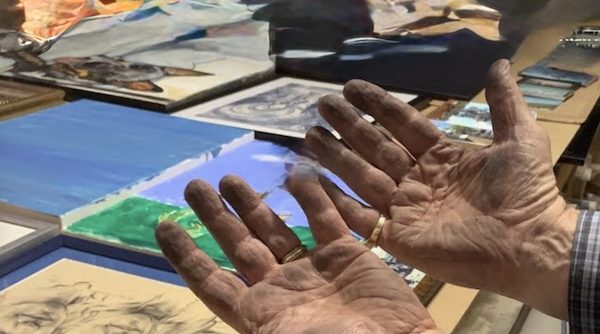
We saw a similar transformation with an heirloom painting that survived a house fire. Fire disasters — whether a single-home fire, a structure loss, or a major wildfire event — leave heirloom paintings coated in soot, smoke residue, and sometimes heat-blistered varnish. Even homes outside a direct burn zone experience heavy smoke and ash infiltration through HVAC systems, attics, and gaps around windows. Many families still have smoke-altered paintings, photographs, and antiques sitting in storage because they don’t know how to safely approach the cleanup.
Not every smoke-altered painting is permanently ruined, but smoke damage is incredibly tricky, and amateur cleaning does more harm than good. By working slowly and carefully, a professional lab can lift the contamination, neutralize the smoke odor, stabilize the original layers, and let the colors show again. When it is finished, the transformation is often deeply emotional, allowing the artwork to remain a beautiful centerpiece of the family story.
Don’t Forget the Frame: Antique Frame Restoration and Repair
When families call about paintings, they usually focus on just the image itself, but frames are often a valuable and important part of the artwork and are worth saving. Frames protect easel paintings while shaping how the artwork impacts the room. In many cases, the frame was originally selected by the artist, the first owner, or someone who knew exactly how the artwork should be presented.
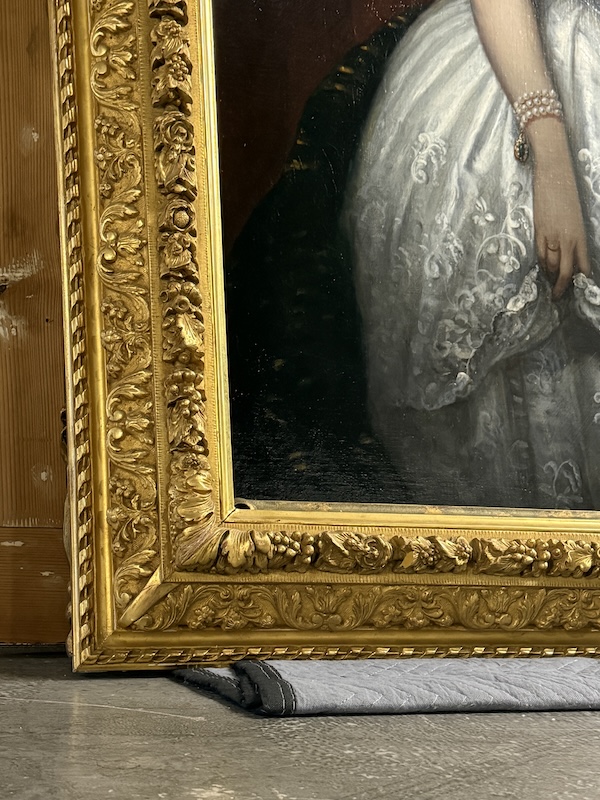
Over time, frames suffer their own aging problems. Wood can crack and split, gilding can flake or dull, and ornate plaster details can fall off entirely. Previous DIY repairs are often performed poorly using hardware store materials and bright gold craft paint, which destroys the historic character and value of the frame. When both the painting and the frame are treated together by a professional conservator, the entire presentation changes. That is often the moment when families realize they are truly seeing the artwork properly again for the first time in generations.
Preserving Your Family History and Peace of Mind
The paintings that come into our lab are so much more than wall decor. They hold memories, tell stories, and connect us to the people we love. When an heirloom gets dark, damaged, or dirty, it is easy to feel overwhelmed and tuck it away in a closet or garage because you just aren’t sure what can realistically be done.
Yellowing, cracking, smoke damage, and peeling paint are completely solvable problems. If you have a painting you love anywhere in Salt Lake County, Utah County, or the surrounding Wasatch Front, getting a professional opinion is the safest path forward. With nearly five decades of serving Utah families, FACL is always happy to look at a piece, explain exactly what the artwork needs to safely shine, and help you protect it for the next generation.
Let us answer your questions about your artwork:
Call Us Directly: (805) 564-3438 Send us an Email: faclofficemanager@gmail.com
About the Author: Aspen Smith is a fine arts graduate with a background in art history and chemistry. She is currently an art conservation intern at Fine Art Conservation Laboratories (FACL, Inc.).
Keywords; oil painting restoration Salt Lake County, oil painting restoration Utah County, oil painting restoration, art restoration, art conservation, oil painting conservation, professional art conservation, preservation and restoration of art, heirloom painting restoration, antique oil painting cleaning, varnish removal oil painting, smoke damage painting restoration, fire disaster art recovery, canvas tear repair, antique frame restoration, acrylic painting conservation, Fine Art Conservation Laboratories, FACL, Scott M. Haskins, Virginia Panizzon, Wasatch Front art conservation, Utah heirloom restoration