





 The Salvaging, Preserving and Professional Art Conservation of the Intermountain Intertribal Indian School Murals in Logan, Utah
January 24, 2025
Updated February 26, 2026
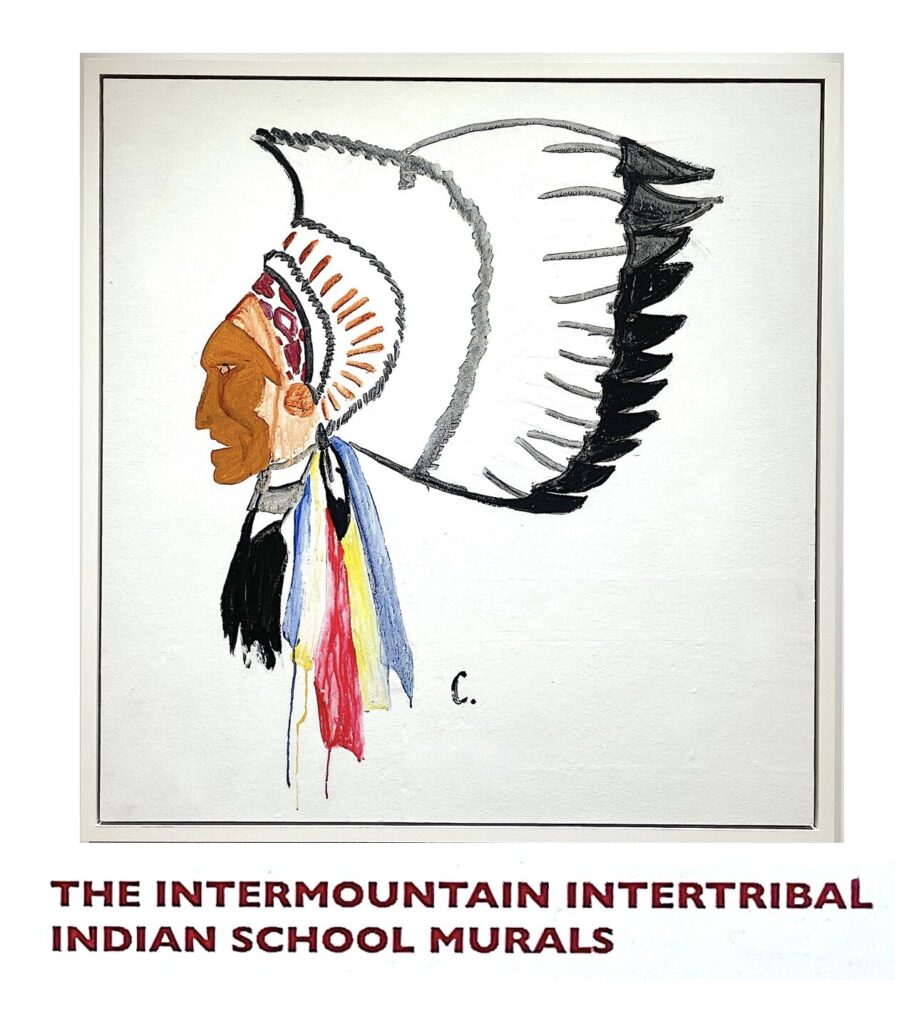
The Intermountain Intertribal Indian School Murals conservation project represents a coordinated institutional effort to preserve historically significant student-created wall paintings from the former Intermountain Indian School in Brigham City, Utah.
The Nora Eccles Harrison Museum of Art (NEHMA), the art museum of Utah State University (USU), formally engaged Fine Art Conservation Laboratories (FACL, Inc.) to carry out the professional art conservation of eleven mural fragments. The project reflects collaborative stewardship at the university, state, and national level.
Historical Background
Just after World War II, the Intermountain Indian School in Brigham City, Utah, opened as a federally funded residential boarding school for children from the Navajo Nation. Expanding its services in 1974, it admitted youth from any Native American tribe and as many as one hundred Native Nations were represented adding “Intertribal” to its name. In an effort to show pride and community, Native American youth who attended the school have gathered over the decades to repaint the symbolic “I”… (for “Intermountain”) on the side of the mountain overlooking the former campus and Brigham City, Utah both during and since the facility’s closure in 1984.
Former students continue to repaint the large white “I” on the mountainside overlooking Brigham City, maintaining a visible symbol of community continuity.
Intermountain was one of the 523 Native American boarding schools that dotted the United States during the nineteenth and twentieth centuries.
Artistic Significance
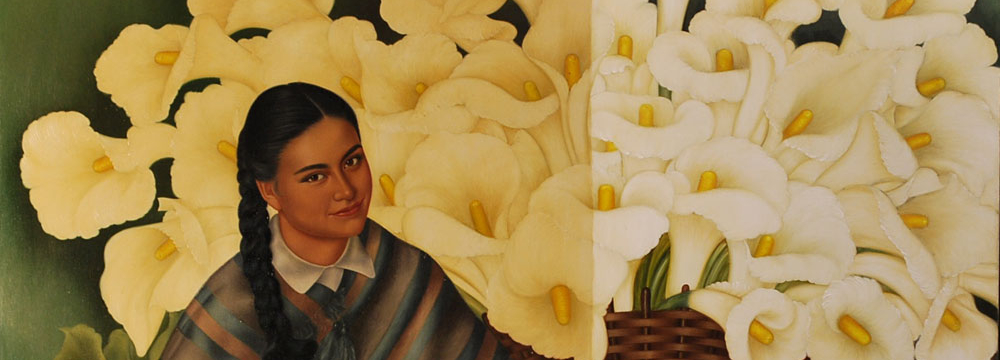
Nationally renowned Chiricahua Apache artist Allan Houser taught art at Intermountain for almost a decade. Houser and some other faculty and staff at Intermountain embraced the arts and encouraged students’ creative self-expression. Art with Indigenous themes was prominently displayed across campus, adorning hallways and dorm rooms. These vibrant artworks were not the product of professional artists but the students themselves. Given paint and permission from their teachers, these young individuals created images that connected them with home and their culture. Through their creativity and perseverance, students found ways to assert their cultural heritage and navigate the constraints of an educational system that encouraged blending in.
Today, the murals serve as primary visual documentation of student expression within that historical context.
This forward out-of-the box thinking and instruction by Allan Houser and his associates was the same intellectual process that Dr. John Biggers was encouraging at Texas State University in Houston, Texas.
Institutional Stewardship and Engagement of FACL
In 2013, when Utah State University purchased the land on which the former school sat, these murals were found in a garage. Someone in the community had removed and saved a small selection of the artworks before the buildings were torn down. The Nora Eccles Harrison Museum of Art has worked with Intermountain alumni, scholars, and tribal leaders to preserve these works of art.
NEHMA initiated a mural salvage, preservation, restoration and exhibition program and engaged Fine Art Conservation Laboratories (FACL) to execute the conservation strategy.
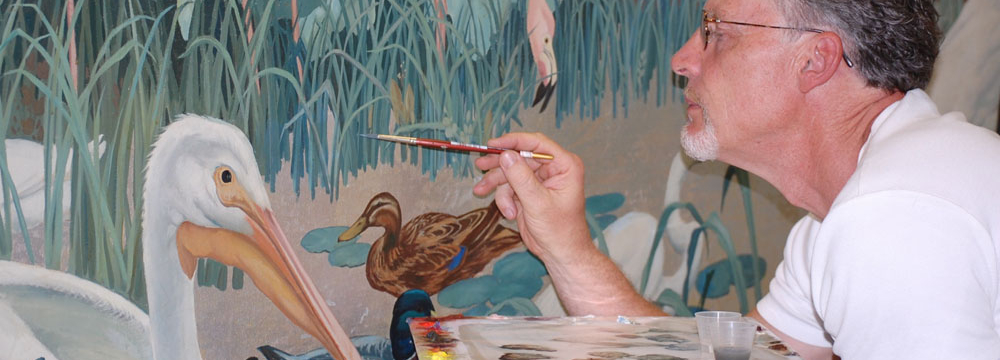
Scott M. Haskins, Head of Conservation at FACL, directed the professional art conservation treatments in coordination with NEHMA leadership and advisory representatives.
Fine Art Conservation Laboratories has specialized for over four decades in professional mural conservation, architectural wall paintings, and culturally significant works. The engagement followed institutional review of qualifications, experience in large-scale conservation projects and extensive experience working in Utah. Their over 50 years of irreproachable experience reassured to provide the best quality work and the highest quality services needed for this big project.
See this short video of their restoration treatments:

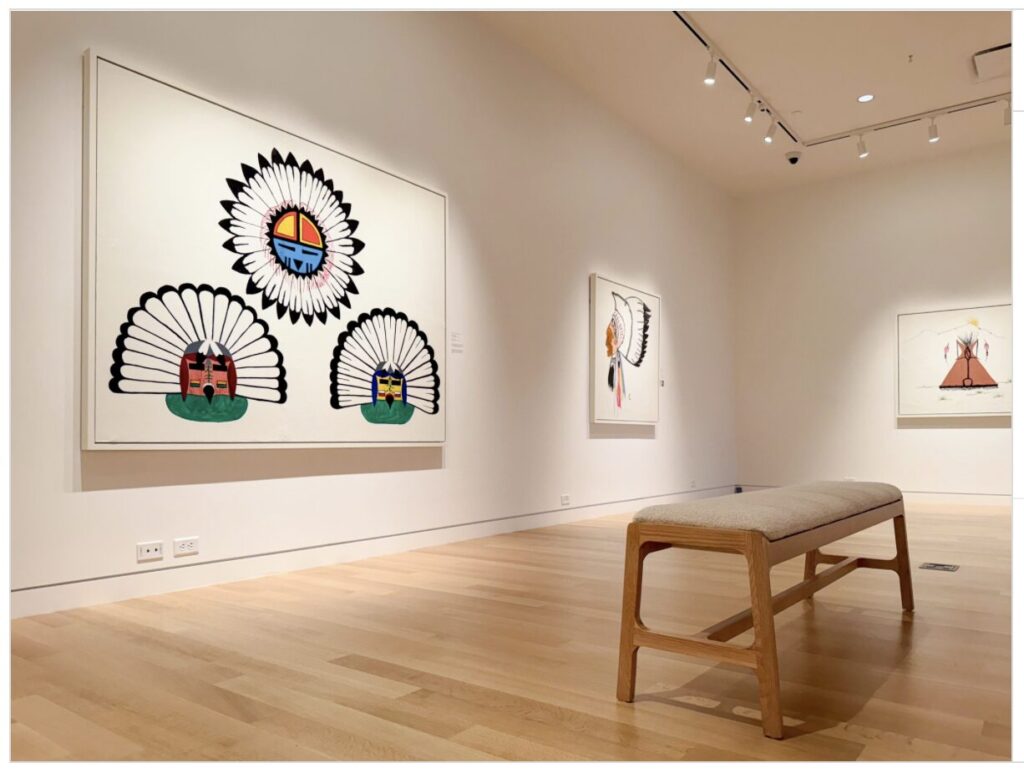
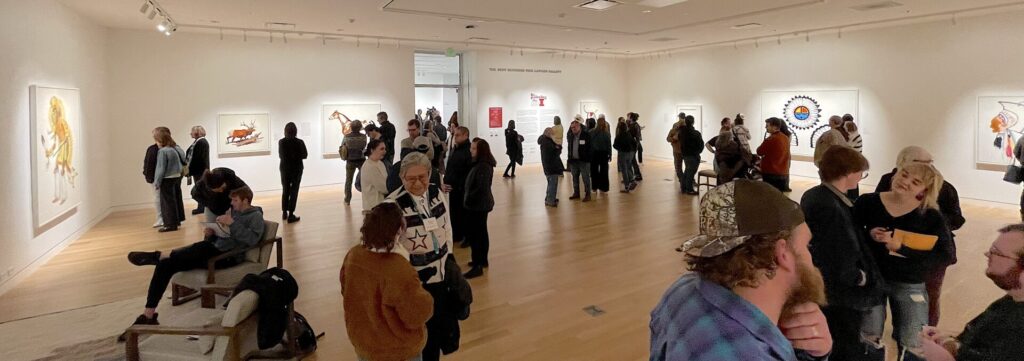
Following their mural conservation treatments over the last four years, the eleven murals featured in the exhibition that once adorned the walls of the Intermountain Indian School, are proudly put on permanent display at the Intermountain Inter-tribal Native American Cultural Center. This is the first time these restored murals are available for the public to view.
Scope of Professional Art Conservation
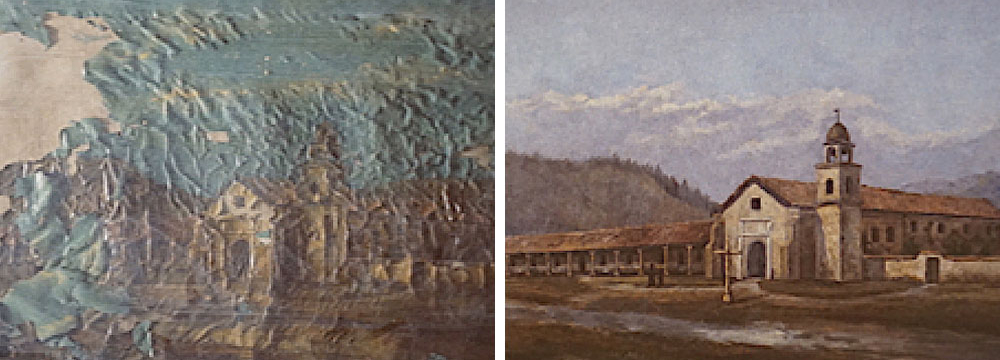
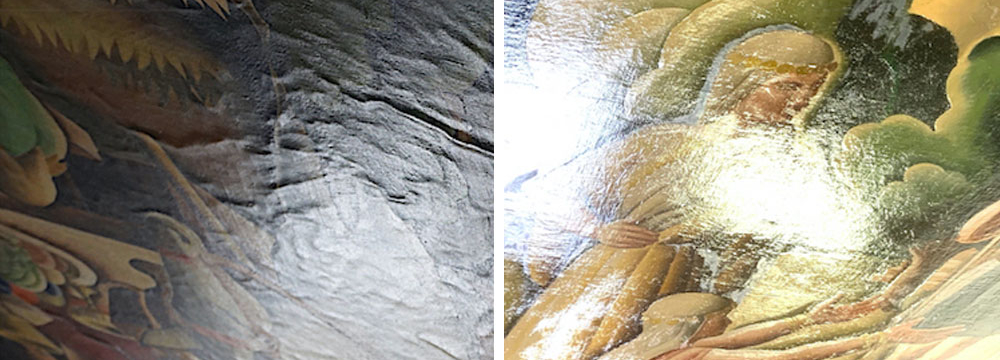
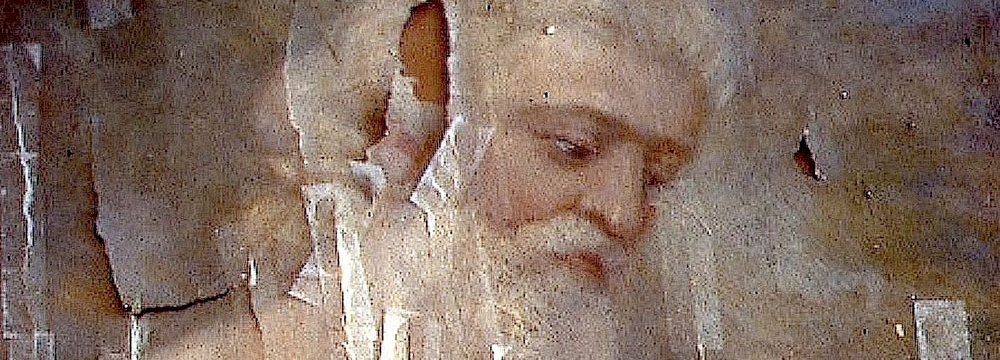
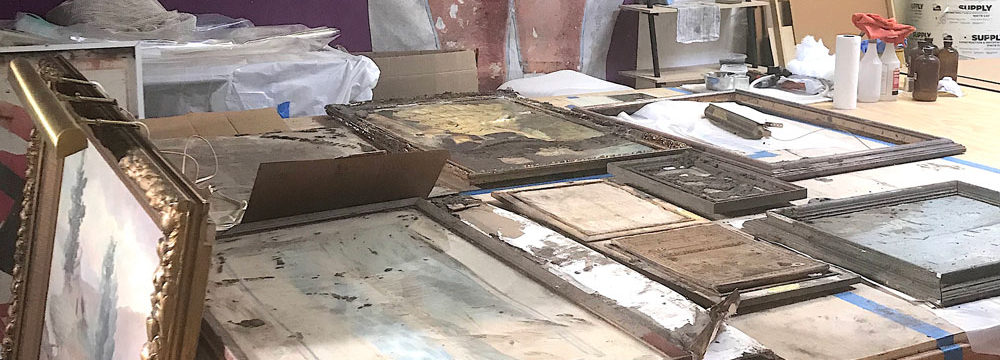
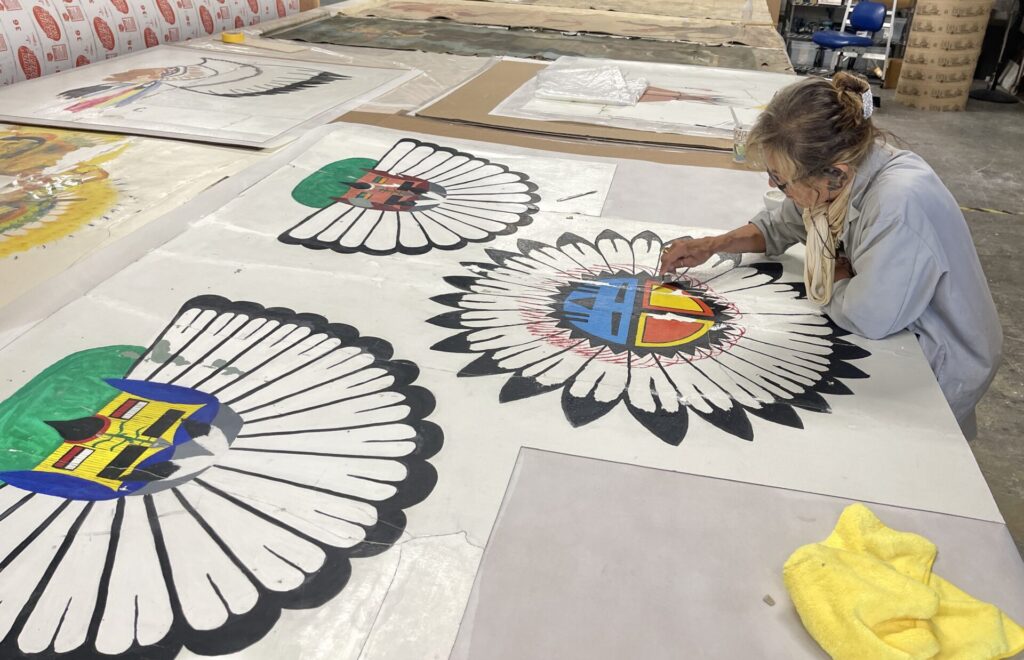
Professional art conservation of salvaged murals involves structural stabilization, paint consolidation, controlled cleaning, and preparation for long-term exhibition.
For the Intermountain Intertribal Indian School murals conservation project, treatments included:
- Stabilization of original plaster substrates
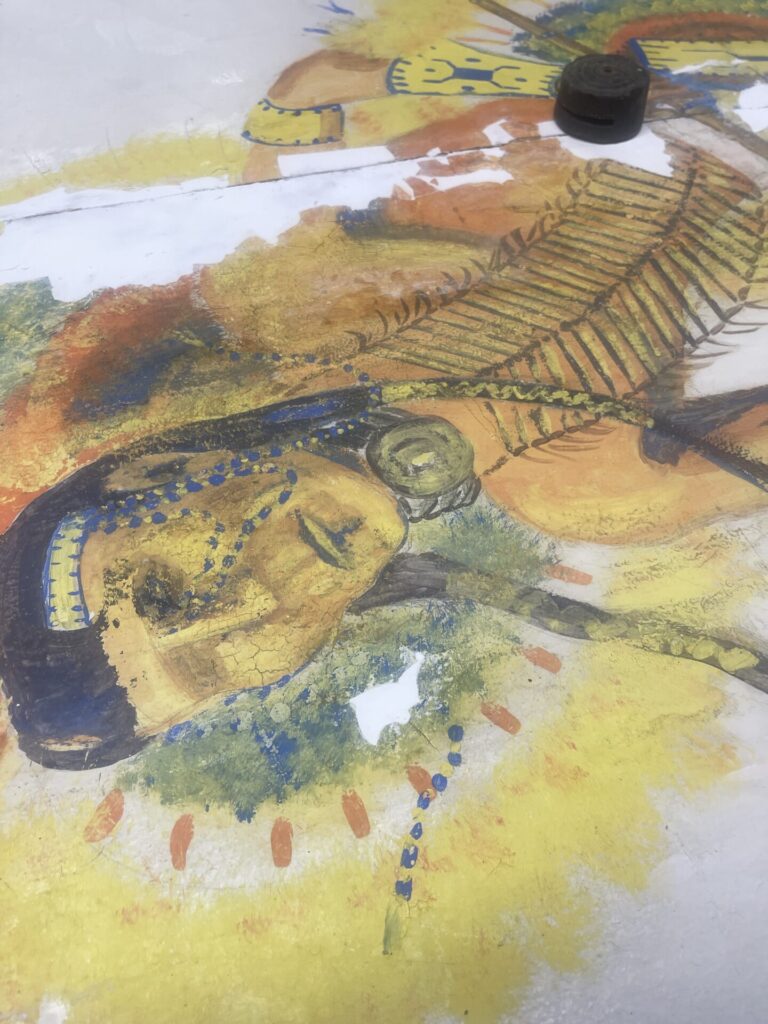
- Consolidation of fragile paint layers
- Reduction of surface soiling
- Structural reinforcement of fractures and edges
- Preparation for secure mounting and display
All procedures were documented in accordance with professional conservation standards appropriate for publicly stewarded collections.
Learn more about our professional mural conservation services.
Conservation Team: Fine Art Conservation Laboratories
The FACL conservation team included:
- Scott M. Haskins, Head of Conservation
- Virginia Panizzon, Senior Art Conservator
- Gena Dillon, Business Manager
- Laura Franchi, Art Conservator
- Anna Frassine, Art Conservator
- Luisa Pari, Art Conservator
- Brooke Hendershott, Conservation Technician
- Alice Taylor, Conservation Technician
FACL collaborated with Prince Gallery Inc. in North Logan, Utah, on framing and structural display considerations.
Federal and State Grant Support
The Intermountain Intertribal Indian School murals conservation initiative was supported in part by grants awarded to the Nora Eccles Harrison Museum of Art and Utah State University.
Funding included support from:
- The National Endowment for the Humanities (NEH)
- The Utah Division of Arts and Museums
- The Terra Foundation for American Art
- The Marriner S. Eccles Foundation
- The Lubetkin Family Foundation
The involvement of the National Endowment for the Humanities and the Utah Division of Arts and Museums reflects recognition of the murals’ historical and cultural importance at both national and state levels.
Fine Art Conservation Laboratories performed professional art conservation services within this grant-supported institutional framework.
Exhibition and Public Access
Following four years of conservation treatments, the eleven mural sections have been prepared for permanent and traveling exhibition.
The murals are currently displayed at the Intermountain Inter-tribal Native American Cultural Center. Selected works will also enter permanent collections associated with Utah State University and the State of Utah Capitol complex, ensuring long-term public access within major civic and cultural institutions.
The project contributes to national discussions concerning Native American boarding school history, educational values, historical accountability, and responsible cultural preservation.
Some of the murals will be on permanent exhibition at the new museum being built on Capital Hill in Salt Lake City, some will remain at USU on exhibition and some will travel. They have already been the subject of intense research and helped to stimulate a resurgence of interest in study in the Federal Native American Boarding School System.
Institutional and Community Support
Additional individual supporters included:
Daniel Diem and Kent Bracken; David Lancey and Joyce Kinkead; Chuck and Louise Gay; Carl and Mary-Ann Muffoletto; Noel and Patricia Holmgren; Terry and David Peak; Jessica Schad; Ann Berghout-Austin and Dennis Austin; Evelyn Funda; Cree Taylor; Kirsten Vinyeta; Kerry Jordan and Jon Brunn; Jody and Dione Burnett.
Programming support was provided by:
- Charles Redd Center for Western Studies, Brigham Young University
- Cache County RAPZ and Restaurant Tax Program
- Intermountain Mural Advisory Committee
Information used by permission of the Nora Eccles Harrison Museum of Art.
Intermountain Mural Advisory Committee
This committee was formed in early 2021 to advise NEHMA on the art restoration and exhibition of the murals.
Media and Related Resources
Repainting the I – NEHMA Exhibition:
https://www.usu.edu/artmuseum/exhibitions/repainting-the-i
Utah State University Art Museum:
http://artmuseum.usu.edu
Support Conservation Initiatives:
https://www.usu.edu/artmuseum/donate
Fine Art Conservation Laboratories:
https://www.fineartconservationlab.com
- Information used by permission by The Nora Eccles Harrison Museum
- Scott M. Haskins, Art Conservator 805 570 4140 mobile
- Virginia Panizzon, Art Conservator 805 564 3438 work
- Frank Prince Gallery of Art and Framing, 2600 N Main St # 106, Logan, UT 84341 Phone: (435) 750-6089
- Katie Lee-Koven (she/her) Executive Director & Chief Curator Nora Eccles Harrison Museum of Art Utah State University 4020 Old Main Hill | Logan, UT 84322-4020 435.797.0164
- http://artmuseum.usu.eduMore information from USU
- https://www.usu.edu/artmuseum/exhibitions/repainting-the-i
- To Donate to Art Conservation Efforts at the art museum https://www.usu.edu/artmuseum/donate

“Your blog post has been syndicated at ExpertClick.com”
Media Distribution
This article was vetted and distributed nationally through ExpertClick.com, a media and expert commentary distribution platform used for professional press releases and subject-matter expert content.
The distribution expands archival visibility of the project within media databases and public information networks.




The students creating their own versions of the murals to connect to their history and heritage is incredible, it reminds me again that arts education is a crucial part of keeping indigenous stories alive.
And its important to keep the stories alive.
It’s nice to see Intermountain Indian School intertribal works we’re preserved with such vibrant colors!
It was a great program Teachers at TSU in Houston did the same thing.
How absolutely wonderful to have helped restore these beautiful works of art so they can continue to be shared and seen by many. The history of these works and understanding their origin is important, Thank you for sharing!
Thanks for your comment, Emily!
t’s inspiring to see how the Intermountain Intertribal Indian School murals — once in danger of being lost when the school was demolished — have been preserved with such sensitivity to both their material condition and cultural resonance.
This story (and awareness) seems to have caught fire for other centers of learning. I love it.