




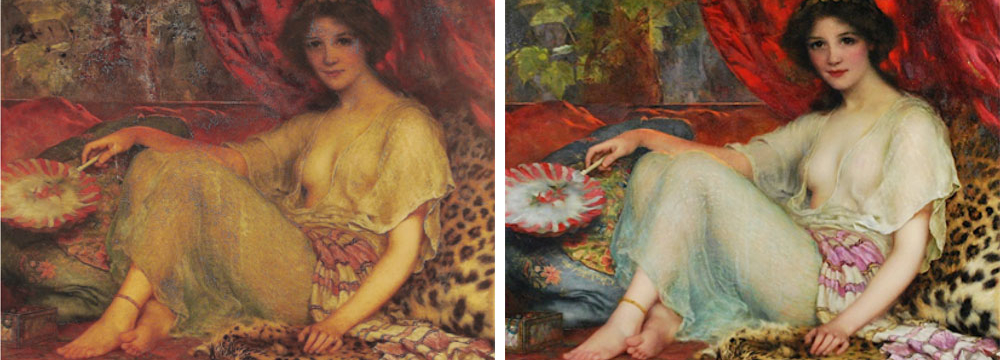
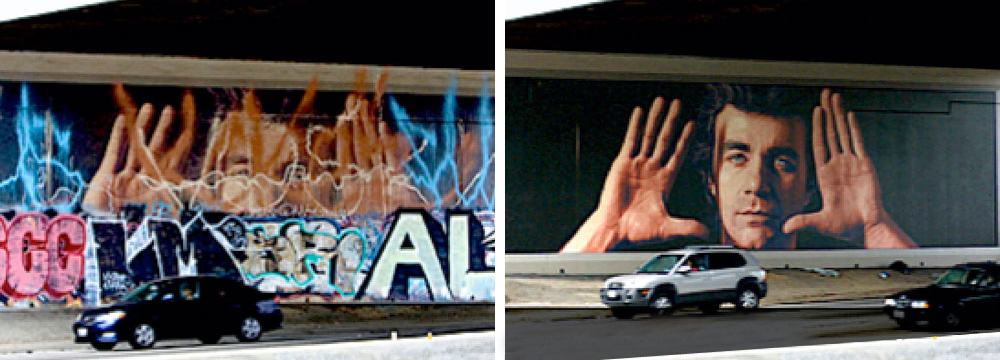
It Was An Important Part Of The “Process”: Making known, and more valuable, the life’s work of Conrad Buff has been a collaboration of many experts; passionate collectors, quality art dealers, scholars, museums, framers and Fine Art Conservation Laboratories’ professional art conservation services. The recent exceptional exhibition in Orange County, CA was “a milestone success.”
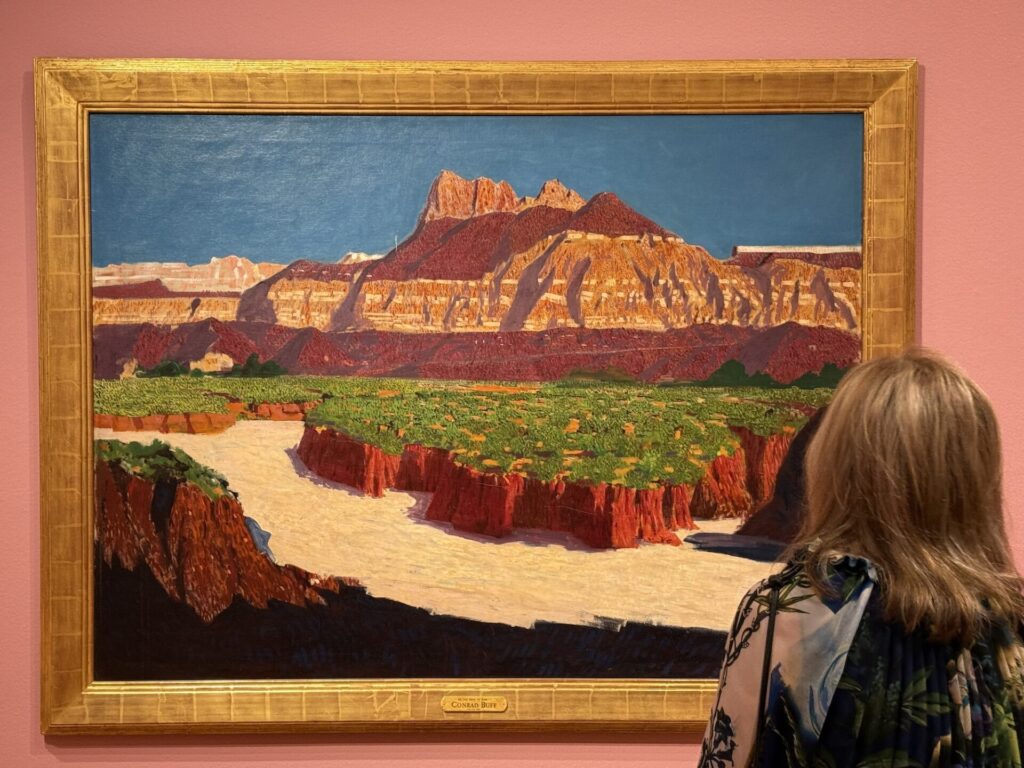
If you take note of early mid-century California art, then you probably know the name of Conrad Buff (1886–1975). However, as with many artists who were known and appreciated during their lifetime, their departure into the next phase of life left behind a storage room full of art with the family who didn’t know what to do with it. Recently, the Laguna Art Museum, held a wonderful large exhibition which reconfirmed his talents and the quality of Buff’s artistic expression, supported now (with the publishing of the LAM exhibit,) by two major catalogs.
In 2016, George Stern Fine Arts Gallery (with collector Martin Medak) had the opportunity to take the collection by the reins and put Conrad Buff back into the limelight and awareness of art collectors. They produced a catalog of the artist’s work that is highly prized (Will South and Libby Buff contributors). And now with added scholarship associated with the recent fine exhibition (and excellent publication with Dr. Deborah Solon) at the Laguna Art Museum, there is now established a more complete and documented record of Buff’s work. This includes identifying paintings in private collections, confirming attribution, and connecting individual works to the broader body of the artist’s production.
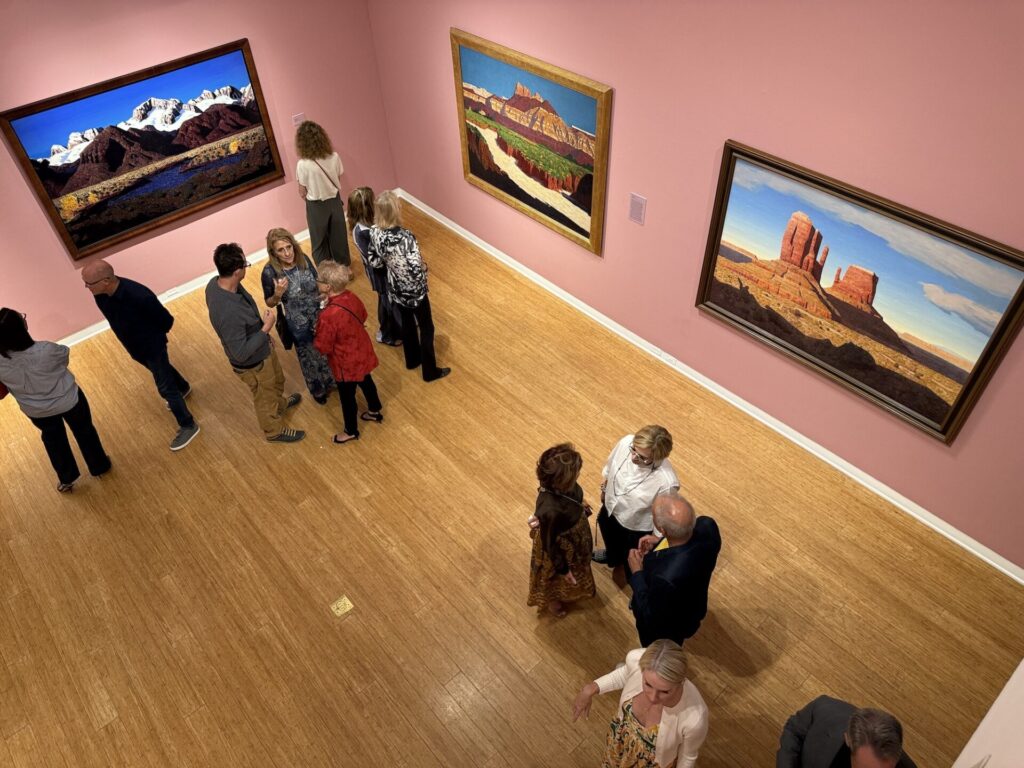
Dr. Solon’s catalog book debuted at the LAM exhibition, Solitude and Silence: Conrad Buff, Painter of the American Southwest, and is “a landmark exhibition exploring the life and legacy of one of California’s most distinctive modernist painters.” For owners, this expanded documentation provides appreciated scholarship in bringing the “mid-century art” into focus.
FACL’s part in the process
As the life’s work of Conrad Buff has been gathered and studied, the physical condition of the paintings and the state of conservation have also remained equally important.
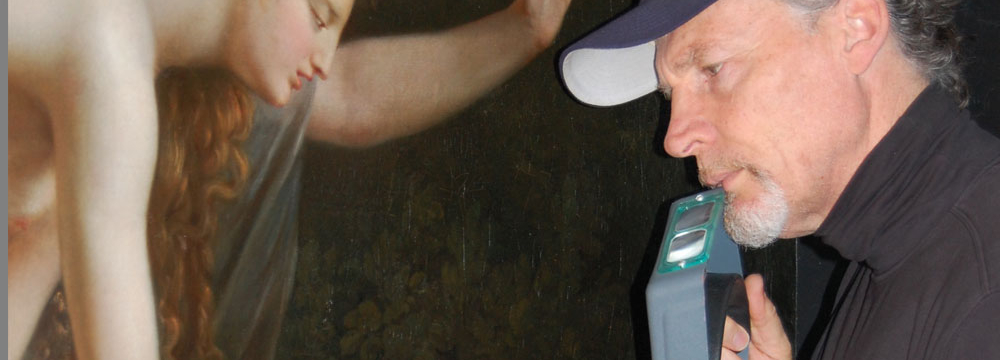
Early on, Scott M. Haskins and Fine Art Conservation Laboratories (FACL) was brought in to provide valuable consultation support and painting conservation services. This expertise has been available to the estate of the artist, to the exhibiting institutions and the scholars.
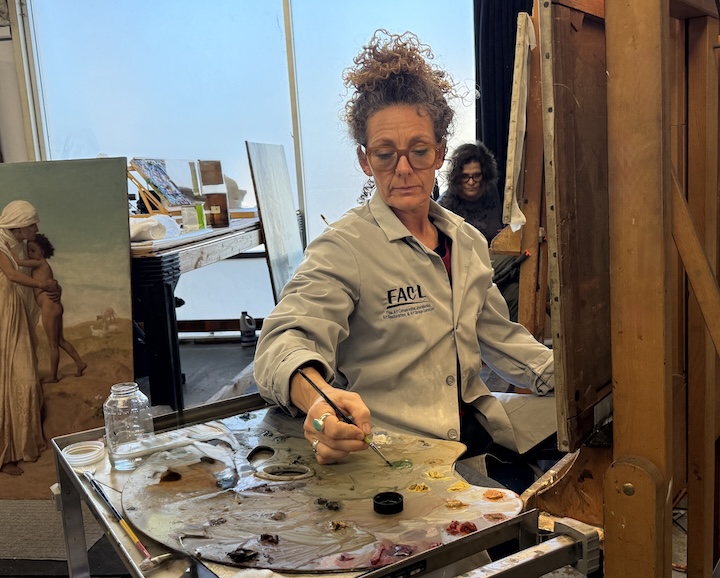
All of the preservation and restoration work performed on the estate’s paintings was focused on their long-term collectability, protecting original qualities and intent of the artist. Top quality work was always required by those handling the estate.
The Role of Professional Art Conservation
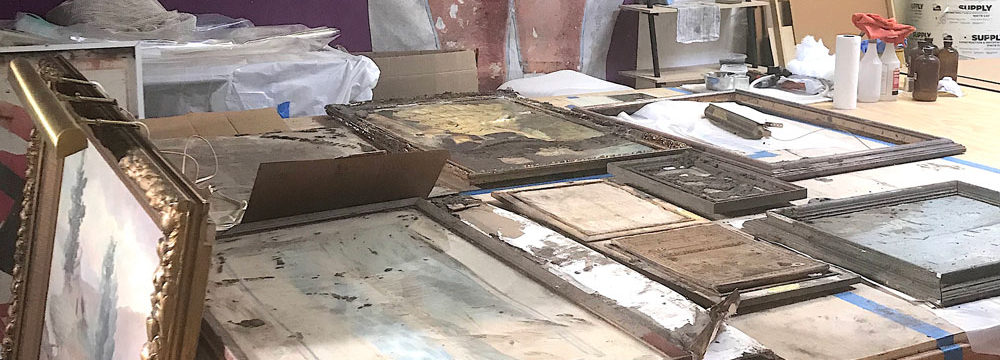
At Fine Art Conservation Laboratories, professional art conservation focuses on stabilizing and restoring paintings to look their original best. This includes:
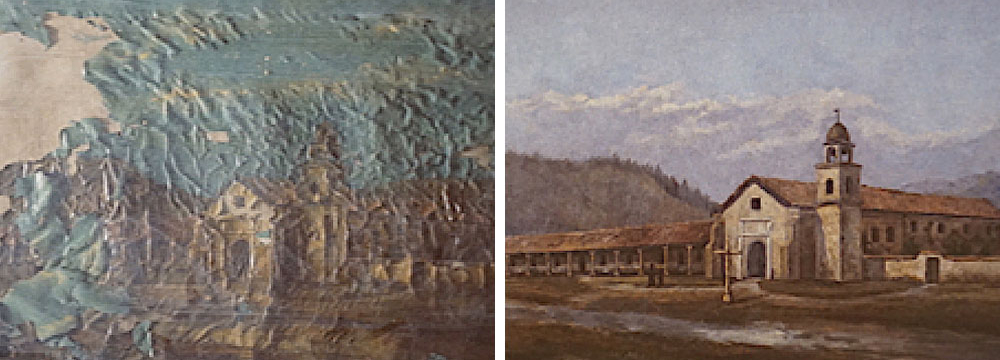
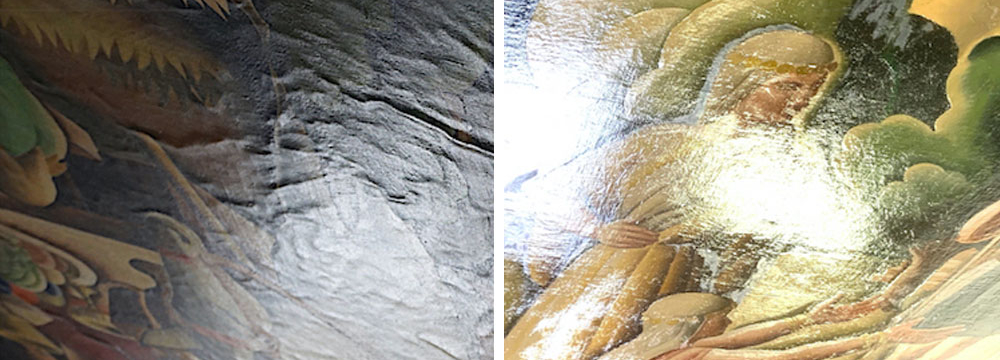
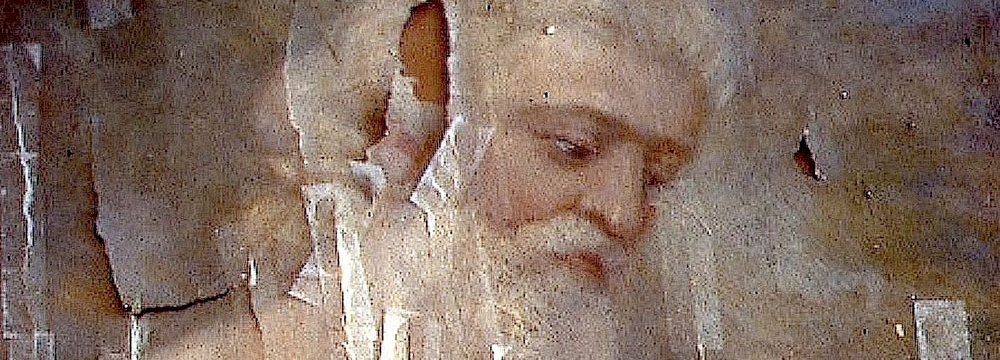
- Removal of surface accumulation and discolored varnish
- Stabilization of lifting paint layers or damage
- Making sure that, structurally, the artwork was stable long term.
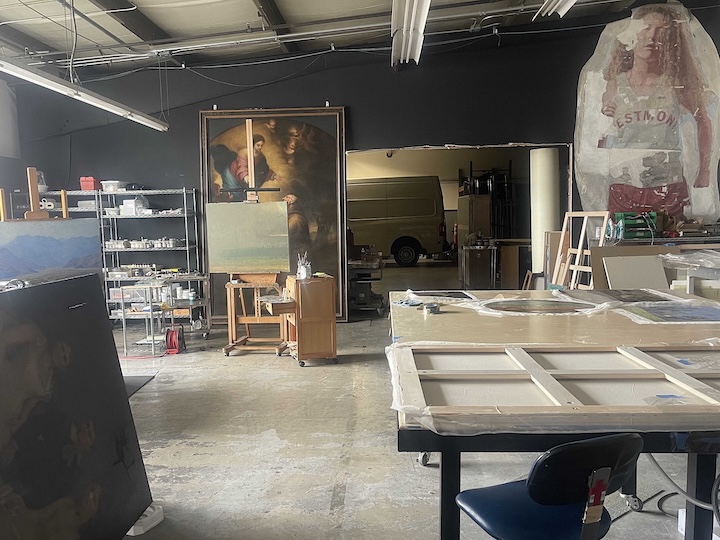
The objective was not to alter the painting’s original qualities or nature… in fact we religiously protect those original qualities and work to preserve the painting —ensuring that it remains consistent with the artist’s original intent.
Evaluation is the first step. It provides a clear understanding of the painting’s condition and determines whether any treatment is appropriate… and to have clear understanding with the owner. Personal consultation with the owner ensures that all questions are answered before any work begins.
A practical overview of this process is available here:
https://www.fineartconservationlab.com/in-lab/restore-heirloom-paintings-treasured-but-worth-it/
Conrad Buff was recognized during his lifetime as an important figure in California painting.
By the end of the 1930s he had participated in 13 exhibitions and had achieved national recognition. During the Depression, his professional status earned him recognized status in the WPA federal arts program. And then from the 1950’s onward he was exhibiting widely and placing works in both private and institutional collections.
As with most artists, who paint consistently throughout their lifetime, their styles of painting change or evolve, depending on their society’s tastes and they’re varied experiences. Buff’s artistic development was largely self-directed, influenced by both European training (he was born in Switzerland) and hands-on work experience. As “modern” tastes drifted further and further away from realism, he embraced and developed a strong understanding of structure, composition, and color relationships. Throughout the decades, his paintings increasingly emphasized simplified forms and broad spatial organization, reflecting an interest in balance and clarity rather than fine detail.
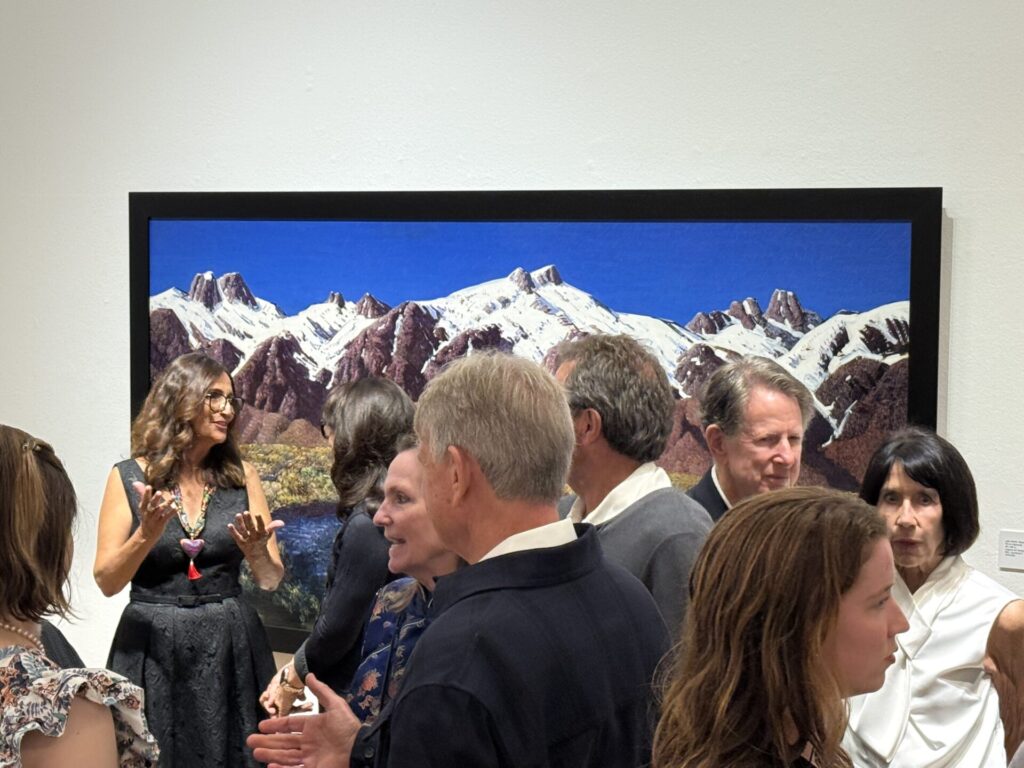
While the interest in his artistic talent and creative genius was appreciated in his Southern California areas, it also establishes the historical importance of his work which helps Conrad Buff art owners today understand how and where their individual painting fits within the larger body of 20th century “mid-century” art.
Conrad Buff’s associations with other well-known artists
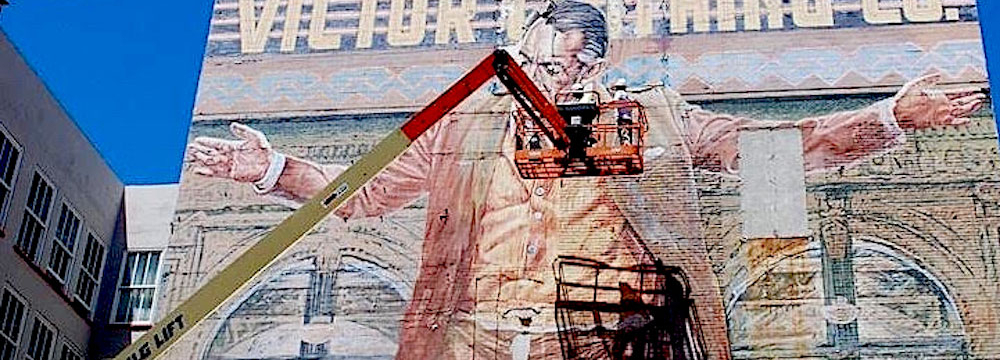
In 1917, an opportunity came that would greatly expand Conrad Buff’s ideas about how to approach landscape painting. California Impressionist Edgar Payne enlisted Buff’s help with a massive mural project for all eleven floors of the new Congress Hotel in Chicago. Working on the project, Buff gained valuable experience which served as a precedent for his extensive mural work later in life. The experience also cemented a friendship with Payne.
After the project’s completion, Payne invited Buff on a trip to California’s Eastern Sierras along with fellow California Impressionist Franz Bischoff. The shadowed mountains set against the deep blue sky made a strong impression on the artists. Buff would continue making trips to the Sierras, embracing a life-long challenge of portraying the contrast and harmony between sky and landscape.
Following the Sierra trip, Edgar Payne invited Conrad Buff to live with him and his wife in their new home in Laguna Beach. Buff spent the winter of 1918 sketching in the afternoon and cooking in the evenings. In a period full of creativity and camaraderie, Buff spent time with other California painters such as Jack Wilkinson Smith, Elmer Wachtel, Frank Cuprien, and Mabel Alvarez. Never comfortable with promoting himself, perhaps his interactions with these artists inspired him to pursue the next step in his artistic career.
In 1920, Buff worked up the courage to show his paintings to the associate curator of the Los Angeles Museum of Science, History, and Art. The associate curator, Mary Marsh, was also an artist and had studied with Birger Sandzen. They began sketching together and a romance ensued that led to a lifelong creative partnership and marriage. With Mary’s support, Buff exhibited in group shows and in 1921, had his first solo exhibition at the Los Angeles museum.
Buff often traveled into remote areas of the Southwest, sketching directly from the landscape before completing larger compositions in the studio. This plein-air method was much appreciated and valued by his contemporary artist associates… These locations were deliberately chosen—rugged, undeveloped environments that allowed him to focus on form, light, and spatial relationships.
An important distinction in Buff’s paintings is that his creations are not postcard or photographic documentation of what he saw but, rather quit literally, were poetic depictions, but carefully developed interpretations of places, feelings, smells and of course, light.
Rather than producing art that was simply a home’s “decoration,” Conrad’s enthusiastic followers (a significant number of Conrad Buff paintings) were acquired directly from the artist or early exhibitions for their artistic appeal and remained within the same families for decades.
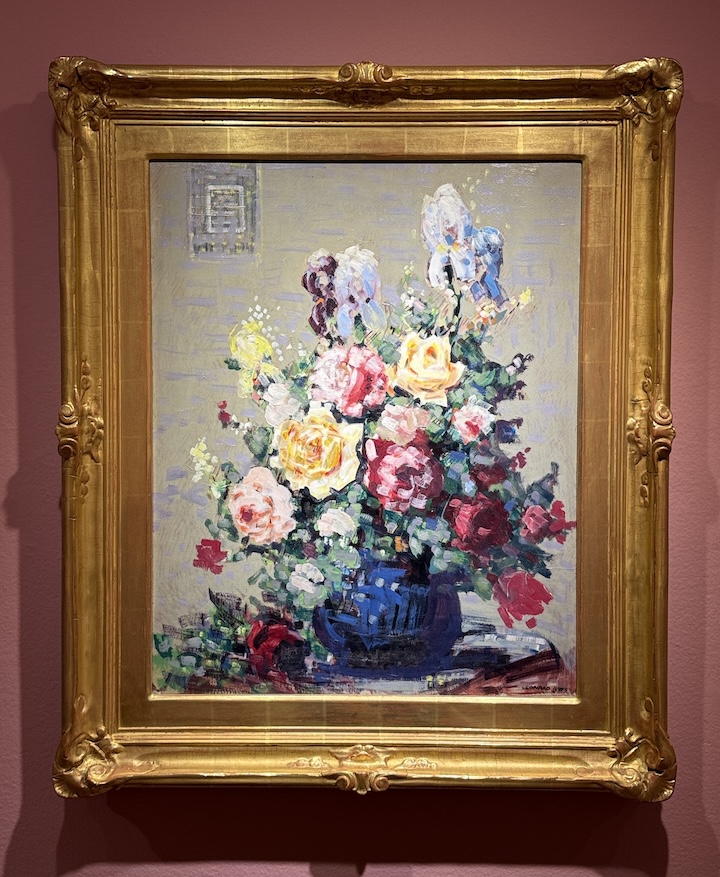
Passing a valuable item of cultural property on to future generations
Owning a Conrad Buff painting today means holding a work that is now part of a documented and recognized body of American art… with a story to tell. For those who “invest” in art, it’s clear that with this well cared for collection, there is also the element of more stable financial value. To always be considered, at the same time, responsibility for its physical condition remains with the current owner.
If you would like a clear understanding of your painting’s condition and whether any preservation steps are appropriate, you can contact Fine Art Conservation Laboratories for a direct evaluation.
Scott M. Haskins and Virginia Panizzon
Art Conservators
805 564 3437
gena.FACLBusinessManager@gmail.com