




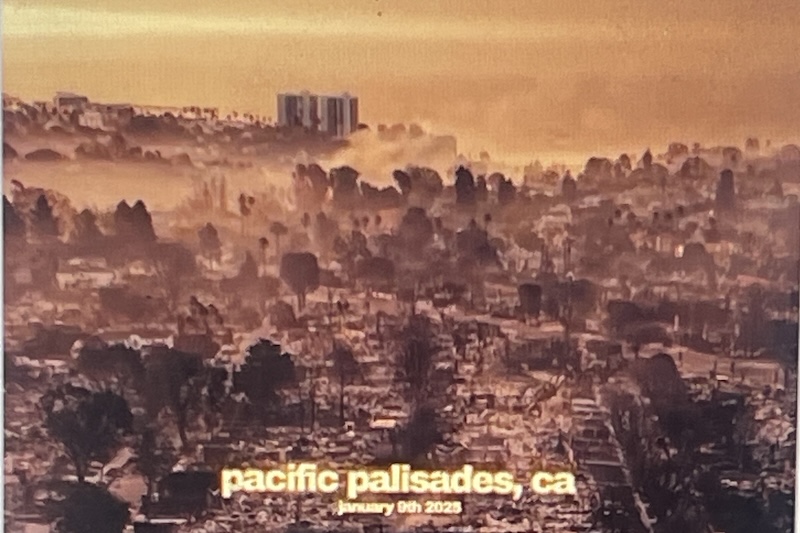
Smoke damage restoration for artwork and heirlooms is still a daily need one year after the Palisades and Eaton fires, especially for soot, residue, and lingering odor. For many families, the first anniversary of the Pacific Palisades and Eaton–Altadena fires didn’t arrive like a headline. It arrived in a quieter way—at home.
Smoke damage restoration for artwork and heirlooms one year after the Palisades and Eaton fires—safe first steps, odor control, and claims support.
It showed up when someone finally opened a box that had been taped shut for months. When a frame with broken glass came out first. When two photographs stuck together were lifted from a stack. When a small inherited object came out and—just for a second—there was relief because it still looked “okay.”
And then, almost like a punch to the chest, the same sentence came out in one form or another:
“It still smells like smoke.” For a lot of people, that smell is the part that feels the most unfair… and is the current “scary thing” STILL to resolve if toxins and pollutants were in the smoke, soot and ash. You did the hard part. You got out. You saved what you could. You packed it carefully. You waited. You tried to be patient. And then a year later you open the box and it’s like the fire followed you home. Have you heard of any friend’s stories like this?
For many families, smoke damage restoration for artwork and heirlooms becomes the next step only after the dust settles—when they finally open the boxes and see what survived.
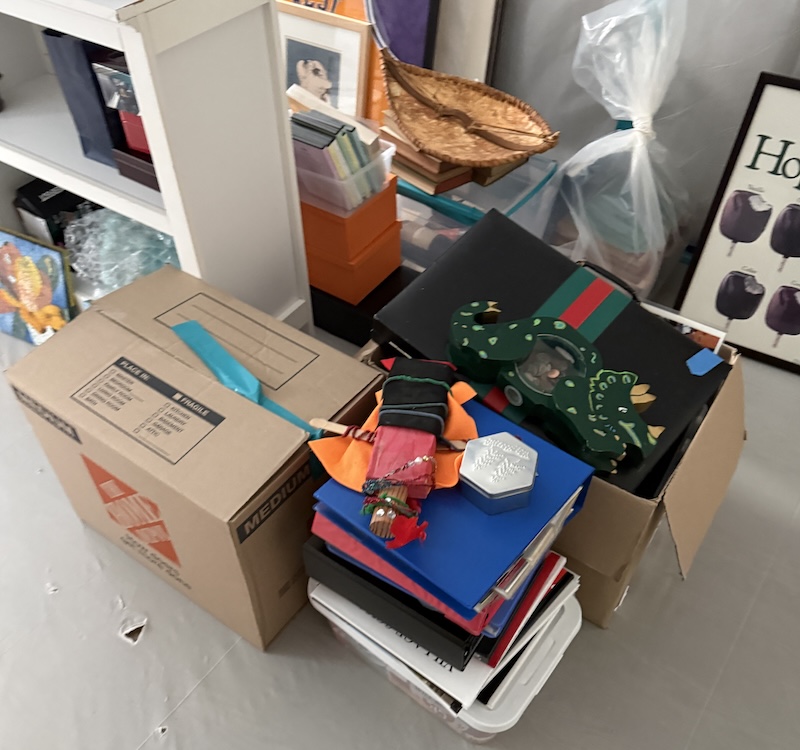
If this is you, you’re not alone—and you’re not being “too sensitive.” Smoke odor can hang on for a long time, and it can get stronger when heat or humidity changes. It’s also a clue that there may still be residue on surfaces or trapped inside the backings and framing materials. The good news is in many cases there are safe options. The key is not to gamble with quick fixes. If you were using the clean-up services of a disaster response company, after the attempted “odor removal” they did not offer to do “encapsulation”, an EPA term for sealing in any residual contaminants. Discuss this with our lab (805) 564 3438 or your contractor.
Sometimes you only notice it when the room warms up. Sometimes it hits you the instant the wrapping comes off. Sometimes the piece looks fine until you tilt it in the light and you see the thin gray film. And sometimes you don’t see anything at all until the smallest touch leaves a smear—like the surface isn’t clean, even when it looks clean.
This is exactly where recovery becomes personal. Because these are not just “things.” These are the objects that hold family history—art that has lived with you for decades, photographs and documents with names and faces, heirlooms you can’t replace.
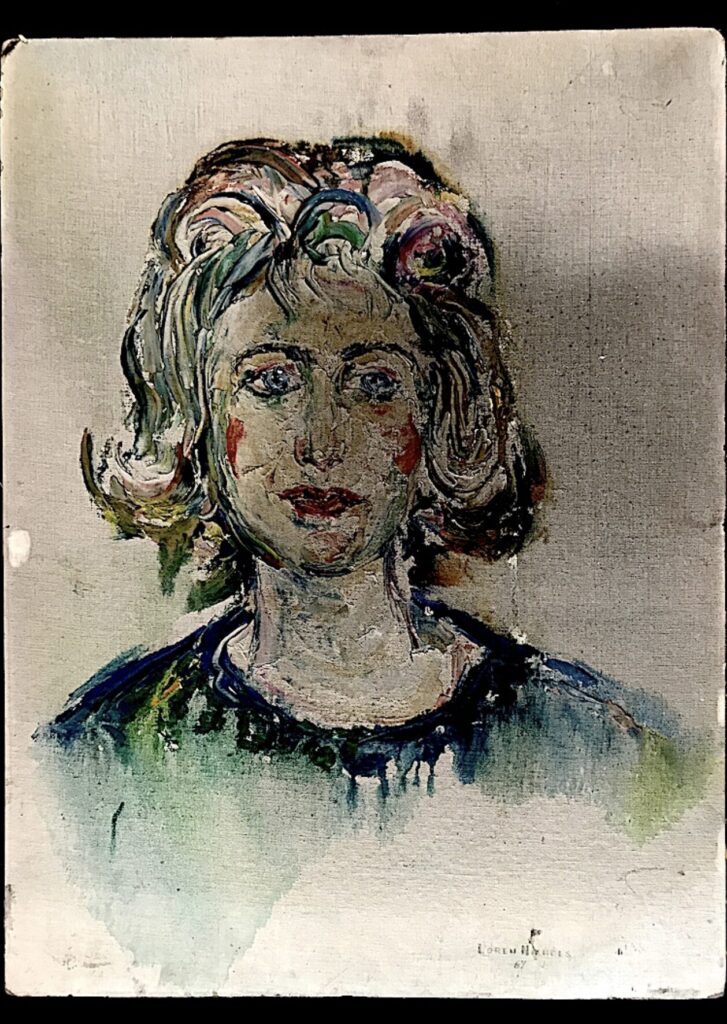
Are you going to throw away Grandma?
At Fine Art Conservation Laboratories (FACL), we’ve spent the past year helping people protect and preserve those meaningful items with a practical, careful approach. We’ve also supported disaster response companies, insurance carriers, legal firms, and homeowners who needed help making sense of what they were seeing and what could be done next. A big part of that work has been smoke damage restoration for artwork and heirlooms—including soot and residue issues, odor problems, and the complications that happen when smoke exposure is mixed with water exposure, humidity changes, and rushed handling.
If you’re looking at something you care about and you suspect it’s still affected by smoke residue, soot, ash, odor, or water-related complications, the best outcomes usually start the same way: slow down, stabilize first, avoid “tests” that cause damage, document the condition, and then choose treatment steps that match the object—rather than the urgency of the moment.
If you want an overview of how we approach this kind of work, start here:
https://www.fineartconservationlab.com/disaster-emergency-response/smoke-damage-restoration-of-artwork-antiques-and-collectibles/
If odor is the main issue you can’t live with, this page explains the approach and options:
https://www.fineartconservationlab.com/disaster-emergency-response/smoke-and-odor-removal-art-antiques-restoration-services/
If the situation is complicated by an insurance claim—or you’re an insurance/response partner coordinating decisions—these pages help clarify documentation and process considerations:
https://www.fineartconservationlab.com/in-lab/smoke-damage-on-collectibles-memorabilia-heirlooms-art-and-antiques-tips-for-making-an-insurance-claim-smoke-damaged-oil-paintings/
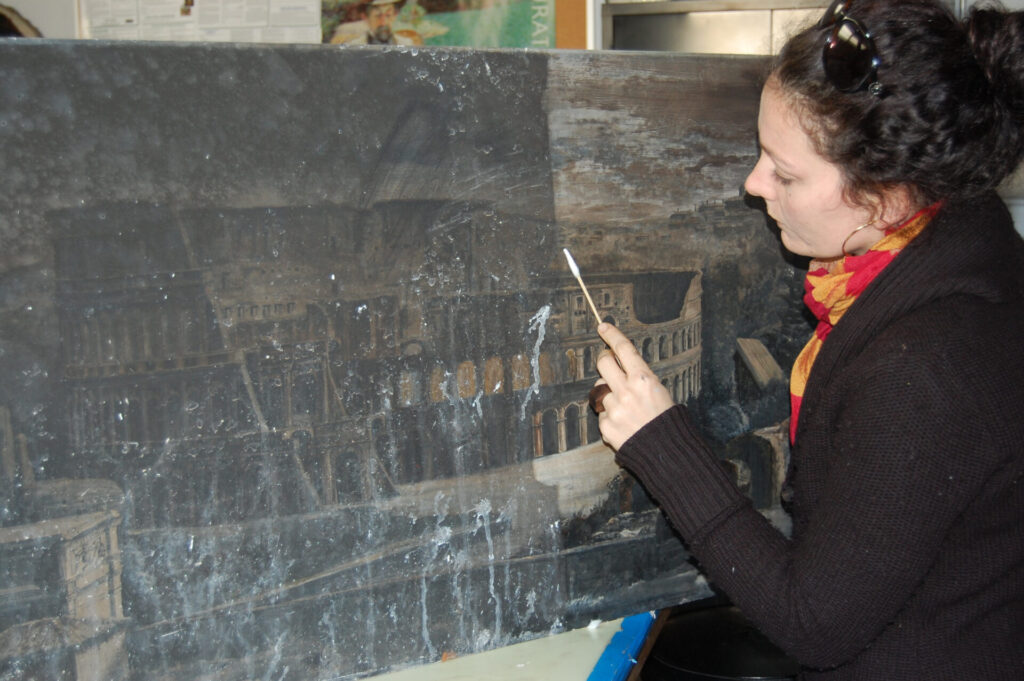
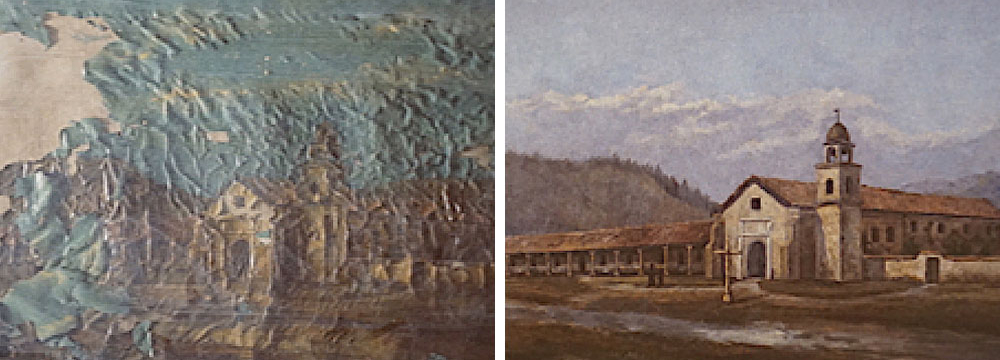
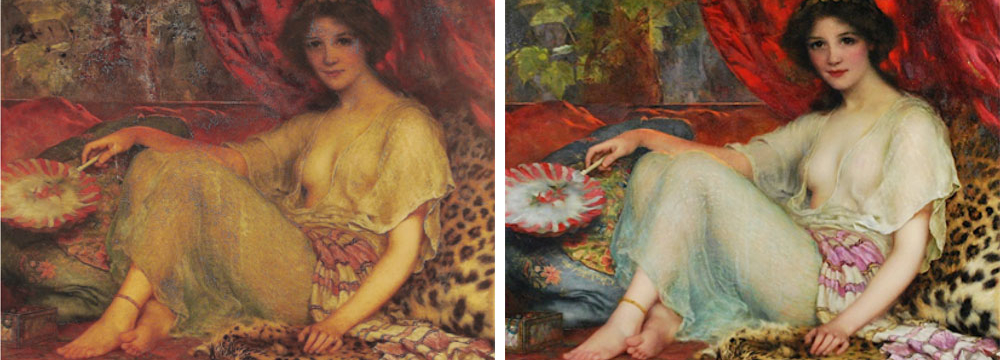
Even though the heirloom painting was a throw away because of the extensive smoke damage, according to the owner, he was elated that the cleaning brought it back to its original condition.
And if you simply want a conservator to tell you what is safe to do next, a free consultation is the most direct first step: Call 805 570 4140. Lots of people, institutions and governments depend on our expertise.
https://www.fineartconservationlab.com/consultations/
One year later- why this is still showing up in people’s lives. Why art and family heirloom restoration still matters
A year later is not “too late” for smoke damage restoration for artwork and heirlooms—it’s often the first time people feel steady enough to handle these items safely.
Public recovery is visible. You see rebuilding plans. You see businesses reopening. You see familiar corners of daily life slowly returning.
Private recovery is quieter. It’s the moment someone tries to hang the artwork again and realizes it doesn’t just look different—it feels different. It’s the day someone opens a box of photos and realizes “fine” and “stable” are not the same thing. It’s the uneasy question people don’t always say out loud: Is this safe to bring back into the house?
A year later isn’t “too late” for this kind of care. For many families, it’s the first time they’ve had the emotional bandwidth to even look at what they saved. And once they do, the questions get very real:
What can be saved?
What should never have been wiped or “cleaned” the way it was?
What is safe to handle?
What is safe to store?
Are any of these items going to keep off-gassing odor?
Could poorly cleaned or un-sanitized items contribute to health concerns?
Those are normal questions. They’re also the right questions.
Why smoke, soot, ash, and odor act differently on art and heirlooms
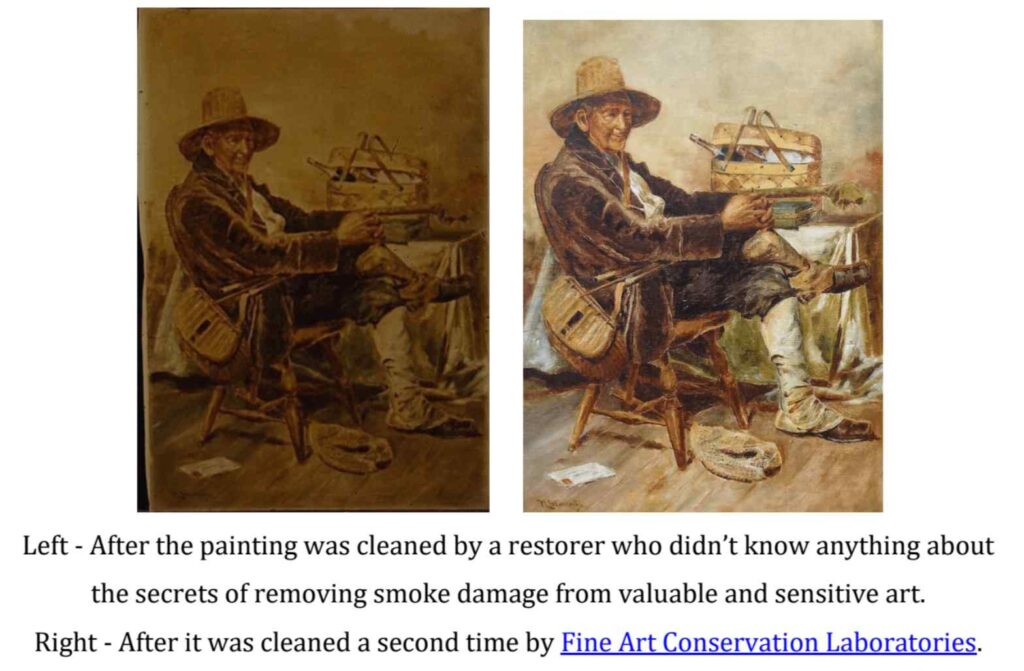
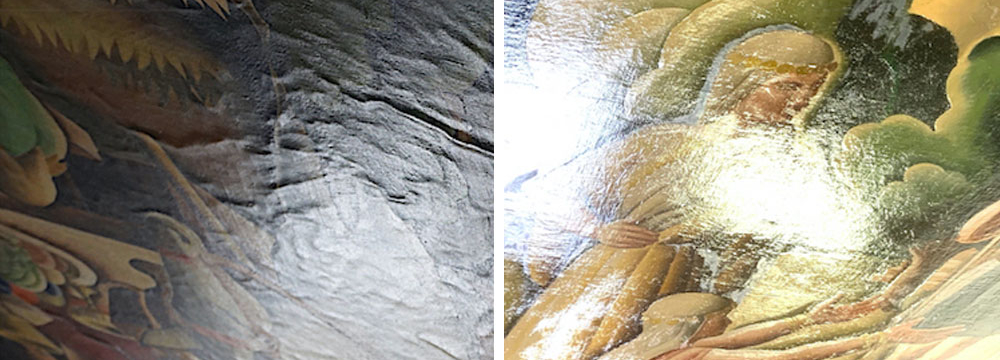
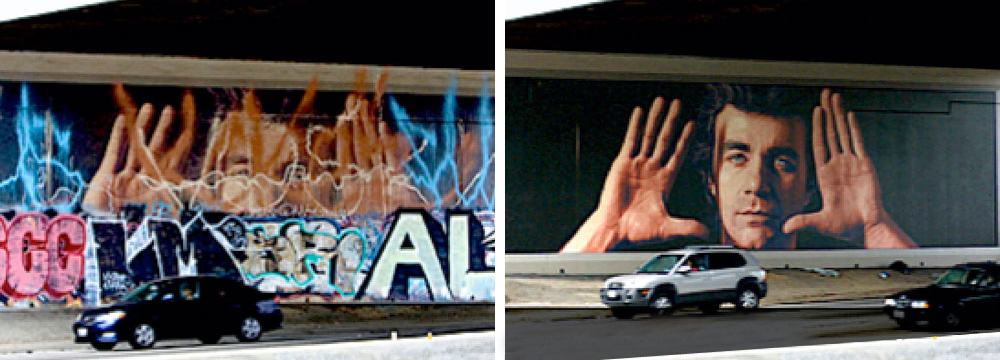
Results of our smoke-damaged art repair and cleaning services often appear like this.
The goal of smoke damage restoration for artwork and heirlooms isn’t just to make something look better—it’s to remove contamination without stripping, scratching, or permanently changing original surfaces.
People often assume smoke “cleans off,” like it’s ordinary dust. That’s understandable—but it’s not how this works on meaningful objects.
Smoke damage is usually layered. You might be dealing with a combination of:
- Fine soot and ash particles (abrasive and easy to smear)
- A residue film that can be oily, sticky, acidic, or mixed
- Odor compounds that absorb into porous materials
- Water exposure or humidity swings that cause swelling, staining, corrosion, or mold risk
And the tricky part is that each material of the object or heirloom reacts differently. What works safely for one surface can permanently damage another.
Odor is a perfect example. Smoke odor doesn’t just “sit on the surface.” It can sink into backing boards, mats, wood, textiles, paper, and adhesives. It can live inside a frame package—where you don’t see it, but you smell it later. This is why people often feel like they “cleaned it,” but the smell returns when conditions change.
That’s also why quick fixes can backfire. Sprays can leave residues. Sealing items can trap odor compounds and moisture. Rubbing can embed soot and scratch surfaces. And many household cleaners can react with original materials in ways that don’t show up immediately—but appear later as discoloration, haze, or surface change.
This is why professional care isn’t just about appearance. It’s about controlling contamination without changing the original object and without triggering secondary damage—either right away or as the piece ages.
For a clear overview of the way we approach smoke damage and odor issues, these are the best starting points:
https://www.fineartconservationlab.com/disaster-emergency-response/smoke-damage-restoration-of-artwork-antiques-and-collectibles/
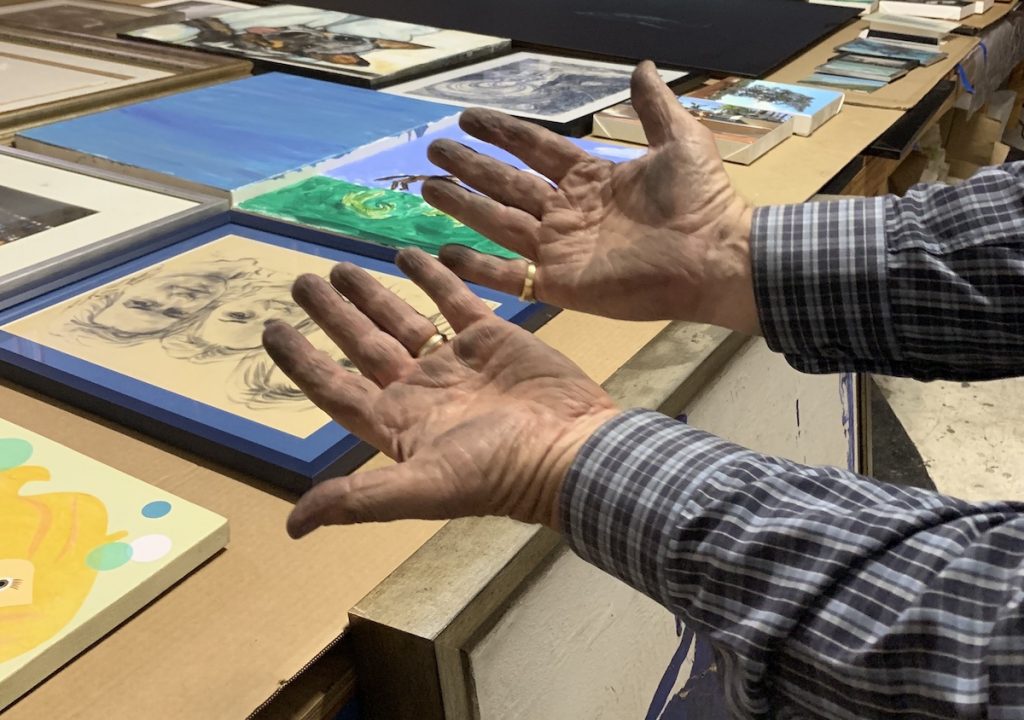
Smoke damaged artwork and collectibles can be saved.
The moment that causes the most damage: the urge to “just wipe it” ## Smoke damage restoration for artwork and heirlooms: the safest first steps
This is the moment we see again and again.
Someone holds a piece up to the light. There’s a haze. A gray film. A dullness that didn’t exist before. And the mind reaches for the simplest solution: wipe it gently, spray something, test a tiny corner, “freshen it up,” and put it away again.
That instinct is human. It’s also where avoidable loss happens.
So I’m going to keep the “don’t do this” list short—because these are the few actions that cause the biggest irreversible problems:
- Don’t dry-wipe soot or ash from meaningful surfaces, especially glossy or coated surfaces.
- Don’t use household cleaners on artwork, frames, photographs, documents, or coated objects.
- Don’t apply deodorizing sprays or home odor devices to art and heirlooms without professional guidance.
- Don’t seal smoky items airtight too soon; odor and moisture can be trapped and worsen outcomes.
If you’re unsure what you’re seeing, it’s usually faster (and safer) to ask a conservator than to “test” something that can’t be undone:
https://www.fineartconservationlab.com/consultations/
## Smoke damage restoration for artwork and heirlooms: why smoke and odor linger
A conservation-led approach starts with one priority: don’t damage the object.
That sounds actually very practical.
It means we don’t begin with “make it look clean.” We begin with careful handling and stabilization so nothing gets worse during movement. We document condition before anything changes (especially if the piece is part of a claim). We look at what kind of contamination it is—loose soot and ash, residue film, or both—and where it is located. We account for hidden problem areas like frame packages, backing boards, mats, and porous components that hold odor. We also look for complications caused by water exposure, humidity swings, or long storage—because those factors change what is safe to do next.
Only after that do we move into controlled cleaning and odor-mitigation strategies that are compatible with the materials involved.
If you want a practical entry point to how this looks for smoke-affected property, these pages are the best references:
https://www.fineartconservationlab.com/disaster-emergency-response/smoke-damage-restoration-of-artwork-antiques-and-collectibles/
What happens in a consultation (so you know what you’re getting)
Most people don’t want a lecture. They want answers.
A consultation is designed to give you clarity. We look at what you have, what you’re seeing (and smelling), and what risks are present. We help you understand what is safe to handle, what should be isolated, what should not be “cleaned at home,” and what the realistic options are for treatment. If there’s an insurance claim involved, we can also help you think through documentation needs and how to avoid decisions that unintentionally reduce recoverability or value.
If you want that kind of steady, expert guidance as your next step, start here:
https://www.fineartconservationlab.com/consultations/ or call us at 805 564 3438
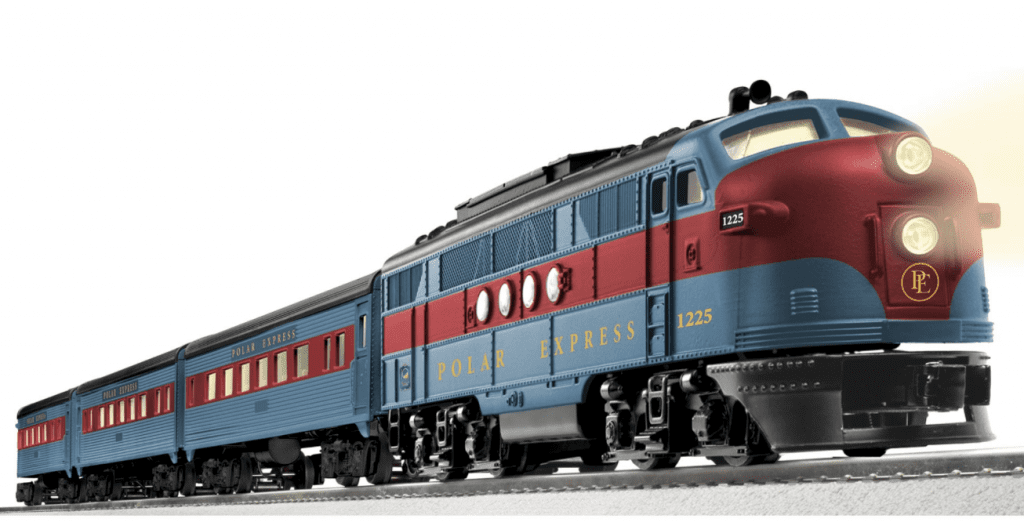
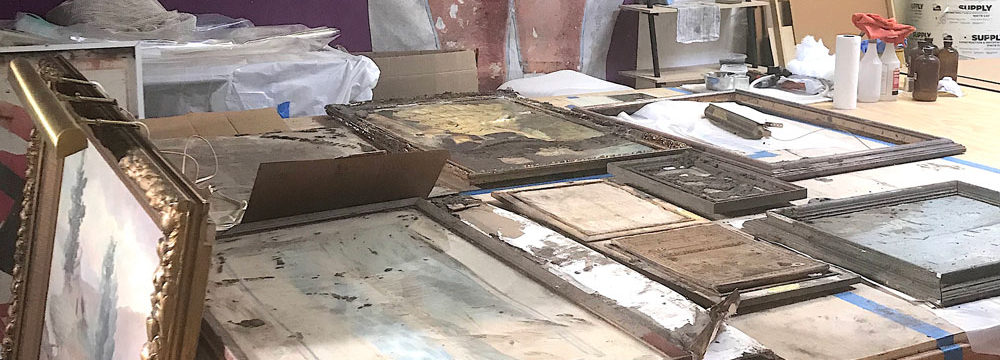
Train sets in process of cleaning.
For insurance claim adjusters, insured homeowners, attorneys, and disaster-response partners: why Standards of Practice matter
When multiple parties are involved, smoke damage restoration for artwork and heirlooms needs clear documentation and handling protocols, so the item doesn’t get worse between site, storage, and review.
When art and family-history items are involved, the process matters as much as the result.
Specialty items—especially those with high emotional value—can change quickly and permanently based on how they are handled, packed, cleaned, stored, or transported. That risk increases when multiple parties touch the same object before a defensible record is created.
This is why professional protocols matter. They support documentation that protects you legally… they help separate mitigation from conservation treatment, and they reduce the risk of secondary damage that creates disputes later. For insured homeowners, that often means fewer heartbreaking surprises. For claims teams and attorneys, it means clearer causation and cleaner decision-making.
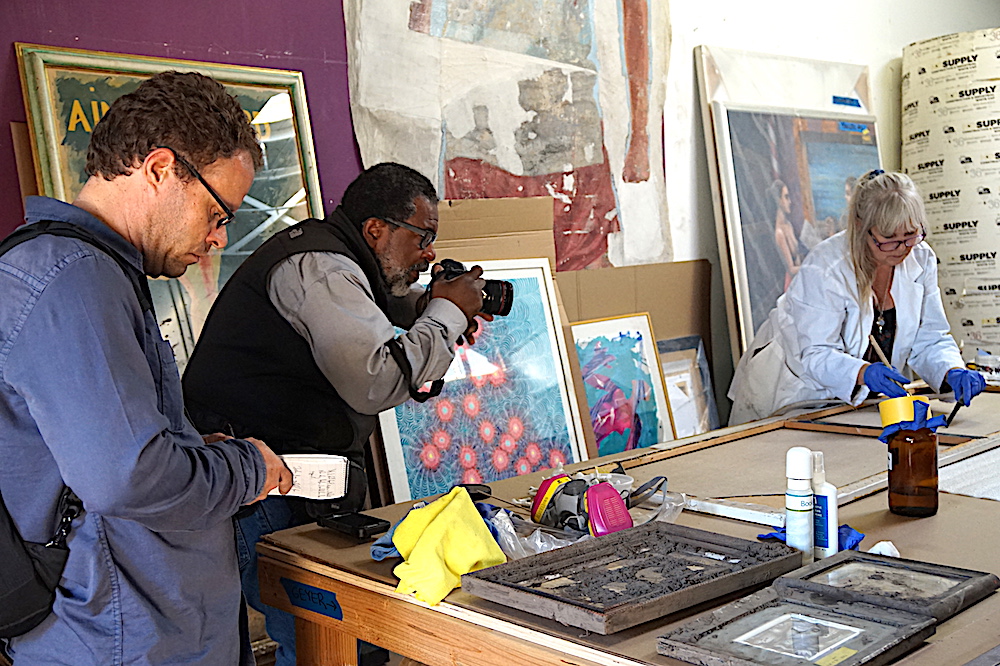
New York Times reporter and photographer document and interview the clean up processes for family heirlooms salvaged from the mudslides
If you’re coordinating response or claims where art and family-history items are part of the loss, these pages are built to support that workflow:
https://www.fineartconservationlab.com/disaster-response-company-resource-smokefire-water-damage-earthquakes-hurricanes-tornados/
https://www.fineartconservationlab.com/art-damage-expert-witness-and-legal-testimony/
For homeowners and collectors: what to do if you’re not ready to decide yet. ## Smoke damage restoration for artwork and heirlooms: what not to do at home
Not everyone is ready to “deal with it” right away. That is normal.
If you’re not ready to make treatment decisions yet, the safest interim goal is simple: don’t make the situation harder than it needs to be. Reduce handling. Keep items away from unstable environments. Avoid tight sealing when odor is present. Keep simple documentation of what you noticed and when you noticed it. And get a professional opinion when you’re ready—not when you’re panicked or exhausted.
A consultation is often the fastest way to turn uncertainty into a safe plan:
https://www.fineartconservationlab.com/consultations/ 805 564 3438
What “we’re still saving” really means
If you’re unsure what to do next, a conservator can explain smoke damage restoration for artwork and heirlooms in plain language and help you choose the safest path forward.
Sometimes “saving” looks like visible restoration. But often it looks quieter than that.
It can mean reducing contamination without changing original surfaces. It can mean stabilizing fragile materials so they don’t continue to degrade. It can mean addressing odor in a way that doesn’t trap it or mask it. It can mean protecting the integrity of an object so it remains meaningful and present in the family’s life—without creating new damage through rushed handling.
A year later, many people aren’t looking for perfection. They’re looking for relief. They want to know that what survived can be protected, and that the next step won’t accidentally erase what time didn’t.
If you want to talk with a conservator about your specific objects—what is safe, what to avoid, and what options are available—start here:
https://www.fineartconservationlab.com/consultations/ 805 564 3438
One thing we’ve learned this past year is that people don’t just want their belongings “cleaned.” They want their life to feel normal again. They want to put the artwork back on the wall without worrying about odor, or contaminants, or toxins. They want to open the family photos without wondering if they’re damaging them… They want to stop the triggers, re-living the fire every time they touch a keepsake.
That’s what careful conservation and restoration work is really for: a calm path back to living with the things you love.
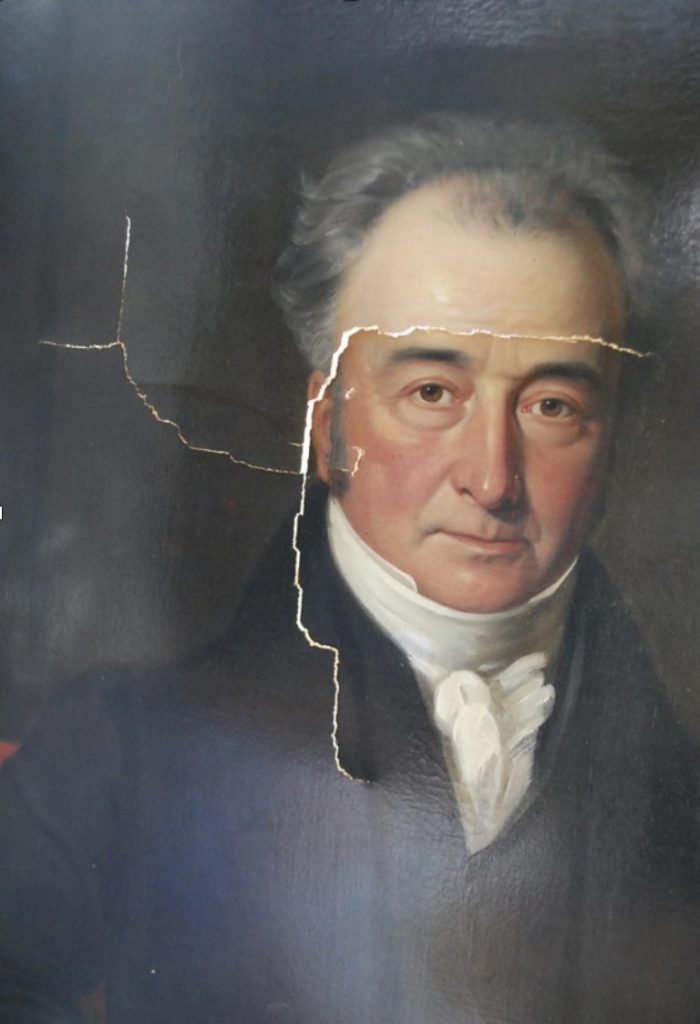
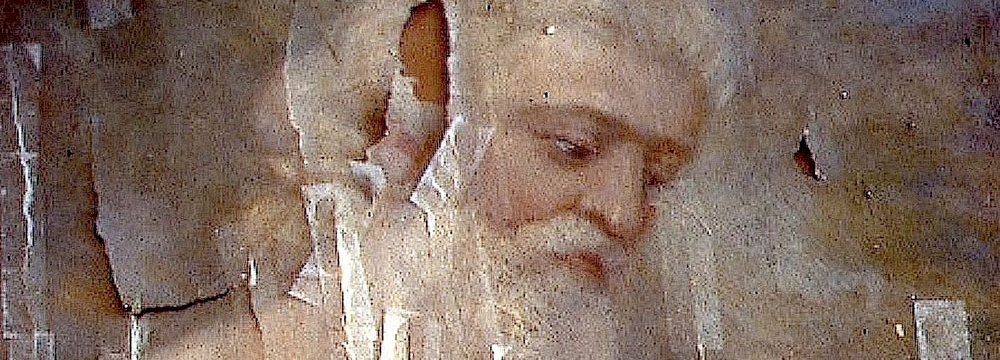
This rip can be made to disappear.
And for service overviews:
https://www.fineartconservationlab.com/disaster-emergency-response/smoke-damage-restoration-of-artwork-antiques-and-collectibles/